In food processing plants, where strict cleanliness rules and high working efficiency meet, electric pallet stackers have become essential tools for moving materials. These powered lifting machines are great at getting palletized goods through small production areas while still following the strict rules for cleanliness that are necessary for food safety. Unlike traditional manual equipment, an electric pallet stacker gives you exact control and lowers the risk of contamination because its electrical parts are sealed and its build is washdown-friendly. Food companies depend on these flexible tools to make their work flow more smoothly and meet FDA rules and industry standards.
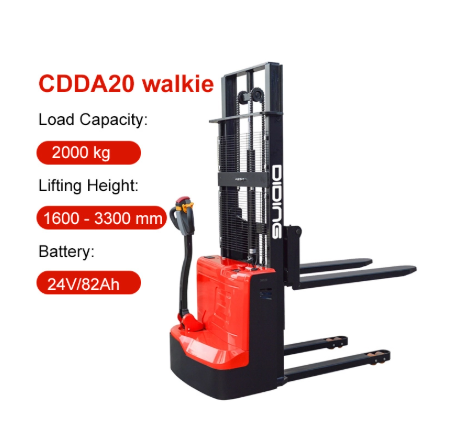
Understanding Electric Pallet Stackers and Their Role in Food Processing Plants
When it comes to food processing, where cleanliness and accuracy are very important, electric pallet stackers are a big step up from human material handling equipment. These powered units use electric motors to move, lift, and place palletized goods with little effort from the user and in strict accordance with hygiene rules.
Core Types and Configurations
Depending on their needs, food preparation plants often use a number of different stacker designs. Walkie stackers work best in small production aisles where the user can guide the unit on foot. Rider models, on the other hand, can go farther between processing stations. Reach stackers can fit into racking systems that are common in areas where ingredients are stored, and counterbalanced units can handle heavy loads without needing special racks.
The lifting ability is between 2,200 pounds for moving light ingredients and 6,600 pounds for moving large amounts of stuff. Diding Lift's more advanced models have a strong 2.2kW AC pulling motor and a 0.9kW AC drive motor that work together to make the machine run smoothly even when the load is changing. The length and width of the fork can be changed to fit different pallet sizes used in food production, from normal 48x40-inch pallets to euro-pallets that are used for foreign shipping.
Hygiene-Compatible Construction Features
Food-grade building uses special materials and design features to set these stackers apart from other warehouse equipment. Cleaning chemicals don't eat away at stainless steel parts, and sealed electrical boxes keep water out during washdown processes. The strong structure and high level of stability make sure that it works well even after many cleaning processes.
To keep accidents from happening in busy production areas, modern units have high-tech safety features like emergency stops, load monitors, and stability tracking. When working with products that need to be kept at a certain temperature or close to processing equipment where contamination risks require quick action, these features become even more important.
Benefits of Using Electric Pallet Stackers in Food Processing Plants
When used in food preparation settings, pallet stacker electric technology leads to measurable gains in operational, safety, and financial measures. These benefits directly help food makers deal with the unique problems they face in today's market.
Operational Efficiency Enhancements
When compared to human handling, loading and unloading machines are faster, which makes processing plants more productive right away. The electric drive system keeps the movement speeds the same no matter how heavy the load is, and the ability to precisely place the load prevents damage to the products while they are being stacked. It's easier for operators to move around in tight areas between handling equipment, which keeps work flowing even during busy times.
The combined efficiency also applies to managing inventory, as stackers make it easy to switch out ingredients quickly, which is necessary to keep standards for freshness. Just-in-time production methods are supported by quickly positioning palletized materials. This cuts down on storage needs while making sure that ingredient supply meets production plans.
Worker Safety and Ergonomic Benefits
Electric stackers make moving things around by hand a lot easier on the body, which is one of the main reasons people get hurt on the job in food processing. The powered lifting system gets rid of the need to lift things over and over, and the ergonomic controls keep operators from getting tired after long jobs. Accidents that could hurt people or contaminate the product are avoided by advanced safety features like automatic brakes and stability monitors.
Training needs are kept to a minimum because the controls are easy to use, so they can be quickly integrated into the way people normally do things at work. When casual staffing is needed during busy times, the shorter learning curve helps keep operations running smoothly.
Financial and Environmental Advantages
When comparing operating costs, electric units are better than gasoline ones because they don't need as much upkeep and don't use as much fuel. The 24V/82Ah maintenance-free gel battery system delivers power reliably without the pollution problems that come with internal combustion engines. Food processing plants that want to get green certifications can use zero-emission operations to help them meet their environmental compliance goals.
The built-in charger design gets rid of the need for separate charging infrastructure. This lowers the cost of making changes to the building while the equipment is being set up. Upgrades to lithium batteries are available that make operations last longer while still providing the environmental benefits that are necessary for current food production standards.
Choosing the Right Electric Pallet Stacker for Your Food Processing Plant
To choose the best material handling tools, you need to carefully compare the needs of your company with the technology that is currently available. The decision-making process includes operational parameters, legal compliance, and long-term value factors that affect how productive and profitable the building is.
Critical Selection Criteria
Load capacity is the most important design factor, and processing companies need to think about both the current and future amounts of material they will need to move. Modern pallet stacker electric units are designed to hold a lot of weight, which allows for growth and operating freedom across a wide range of product lines. Battery endurance estimates should take into account real shift lengths and charging times. Lithium batteries can work with longer operational windows when needed.
Because of space limitations in working areas, the maximum stacker size and mast height are set. Customizable fork measurements make sure that they work with current pallet standards and can handle the unique packaging forms that are popular in food production. The narrow hallway features are especially useful in factories where making the best use of space has a direct effect on production capacity.
Performance Comparison Analysis
Electric stackers work better than manual ones in a number of practical measures. The steady lifting speeds keep the production schedule on track, and the accurate placement features cut down on damage to products during handling that affects quality control measures. Stackers are easier to move around in tight areas than full-size forklifts, and they can carry enough for most food handling jobs.
The total cost of ownership study shows that the economics are good because it means less work for people and lower costs for upkeep. Electric usage saves money on fuel costs and extends the life of tools by reducing motor stress compared to diesel options. These cash benefits are especially clear in places like food preparation plants where a lot of people are working at the same time.
Industry-Leading Manufacturer Considerations
Established producers with experience in the food business know the specific needs when it comes to following cleaning rules and following the rules set by the government. Diding Lift has been in the food handling business for twelve years, so they really understand the problems that come up. This is mirrored in their unique design features and full support services. The company's focus on dependability and longevity is in response to the tough working conditions that are common in food production areas.
Customer feedback always stresses how important it is to have quick technical help and new parts on hand. The established service network and broad warranty coverage make sure that operations are interrupted as little as possible during regular maintenance or emergency fixes. These support features are often just as important for keeping production plans on track as the specifications of the tools themselves.
Maximizing ROI: Procurement and Deployment Strategies for Food Processing Plants
Strategic methods to buying equipment make the best use of capital while making sure that business needs are met throughout the span of the equipment. These ways of buying things take into account both short-term operating needs and long-term financial planning issues that are necessary for businesses to stay in business.
Acquisition Model Evaluation
Purchase choices offer the best long-term value for buildings that have set routines and know how to use their tools. This method works because the full warranty coverage and established service network lower operating risk and make repair costs more reliable. Buying new tools gives you access to the newest safety features and ways to make things run more smoothly, which are both good for food handling.
Facilities that have flexible production schedules or limited access to cash can still use modern technology through leasing deals. These flexible agreements usually cover servicing and offer upgrade choices that fit with how the business grows. Because leasing can save you money on taxes, it can improve the general economics of a project while keeping your capital for more important production inputs.
Installation and Integration Support
Professional installation services make sure that the right equipment is put in place while minimizing the disturbance to output as much as possible. The thorough training programs cover both working processes and maintenance needs, which makes it possible for new employees to join without having to go through long learning curves. When preparing food, these services are especially useful because mistakes in the process could affect the quality of the food or the safety of the workers.
Checking to see if it works with current warehouse management systems makes sure that the new system fits in perfectly with the way things are already done. Modern control systems meet the needs for connectivity while keeping the operations simple, which is important for effective output support. Integration features allow tracking and performance improvement in real time, which raises the worth of equipment throughout its entire operating lifecycle.
Conclusion
Electric pallet stackers are a revolutionary piece of technology that can help food preparation plants be more productive while still meeting strict safety and hygiene standards. The advanced features, such as the ability to change the sizes, strong lifting abilities, and food-grade construction, meet the specific needs of current food makers. As a result of increased output, better worker safety, and lower operating costs, there are strong value propositions for processing centers of all kinds. Strategic methods to buying and deploying equipment improve return on investment while ensuring smooth integration into current operations. This gives facilities a long-term edge in the competitive food processing market.
FAQ
What lifting capacity should I expect from food processing electric stackers?
Food processing electric pallet stacker units can usually lift between 2,200 and 6,600 pounds, which is enough for most of the palletized products that are used in food preparation. The 2.2kW AC lifting motor setup works reliably across this capacity range and keeps the exact control that is needed for handling ingredients.
How long do batteries last during continuous operation?
The 24V/82Ah gel battery system doesn't need to be maintained and can work continuously for 6 to 8 hours at normal load conditions. Facilities that need to be active for longer amounts of time can use optional lithium battery improvements that increase battery life while keeping the same charging infrastructure compatibility.
Are electric stackers suitable for temperature-controlled environments?
Modern electric stackers work consistently in temperature-controlled areas that are popular in food preparation, such as production zones and refrigerated storage areas. The sealed electrical parts and special building materials keep working even in the temperature ranges that are common in food facilities.
Contact Diding Lift for Premium Electric Pallet Stacker Solutions
Diding Lift delivers industry-leading material handling solutions specifically engineered for food processing environments. Our comprehensive electric pallet stacker lineup features advanced safety systems, food-grade construction, and customizable configurations that address your unique operational requirements. With twelve years of manufacturing expertise and commitment to reliability, we provide the trusted equipment solutions your facility needs to optimize productivity while maintaining compliance standards. Our technical specialists offer personalized consultations to identify the optimal equipment specifications for your application. Connect with our team at sales@didinglift.com to explore our complete range of material handling solutions. Partner with a proven electric pallet stacker manufacturer dedicated to supporting your operational success through superior equipment and comprehensive service support.
References
Food and Drug Administration. "Current Good Manufacturing Practice in Manufacturing, Packing, or Holding Human Food." Federal Register, 2015.
International Association for Food Protection. "Material Handling Equipment Guidelines for Food Processing Facilities." Journal of Food Protection, 2023.
National Institute for Occupational Safety and Health. "Ergonomic Guidelines for Manual Material Handling in Food Processing Operations." Publication No. 2022-106, 2022.
American Society of Mechanical Engineers. "Safety Standard for Low Lift and High Lift Trucks." ASME B56.1-2020, 2020.
Food Safety Modernization Act Compliance Guide. "Equipment Sanitation and Maintenance Protocols for Food Manufacturing Facilities." 3rd Edition, 2023.
Industrial Truck Association. "Electric Industrial Truck Performance Standards and Testing Procedures." ITA Guidelines 2023-R2, 2023.
 English
 العربية
 Français
 Русский
 Español
 Português
 Deutsch
 italiano
 日本語
日本語 한국어
한국어 Nederlands
 Tiếng Việt
 ไทย
ไทย Polski
 Türkçe
 ພາສາລາວ
 ភាសាខ្មែរ
 Bahasa Melayu
 ဗမာစာ
ဗမာစာ தமிழ்
தமிழ் Filipino
 Bahasa Indonesia
 magyar
 Čeština
 қазақ
қазақ Српски
 हिन्दी
 فارسی
فارسی Kiswahili
 Svenska
 українська
 Ελληνικά
 Suomi
Suomi עברית
עברית Latine
 اردو
اردو বাংলা
বাংলা Afrikaans
 Gaeilge
 Māori
Māori Oʻzbekcha
 অসমীয়া
 Aymara
 Bamanankan
 Беларуская мова
 Bosanski
 ދިވެހި
 Eʋegbe
 guarani
 Kreyòl ayisyen
 ʻŌlelo Hawaiʻi
 íslenska
 Krio we dɛn kɔl Krio
 Kurdî
Kurdî Runasimi
 Gagana Samoa
 Sesotho
 سنڌي
سنڌي Soomaali
 ትግንያውያን
 Yorùbá


