Understanding the brake system in your electric pallet truck is fundamental to warehouse safety and operational efficiency. These sophisticated braking mechanisms serve as the primary safety feature that protects operators, loads, and equipment during material handling operations. Modern brake systems combine multiple technologies including mechanical components, electromagnetic controls, and regenerative energy recovery to deliver precise stopping power while extending battery life. Whether you're managing a small warehouse or operating a large distribution center, knowing how these systems work helps you make informed procurement decisions that enhance both safety and productivity in your facility.
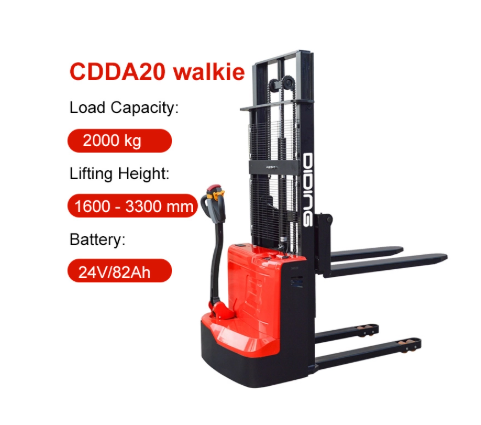
Introduction to Brake Systems in Electric Pallet Trucks
One of the most important safety features in current material handling tools is the electric pallet truck brake system. Controlled stopping and steadiness during load movement are made possible by these systems, which has a direct effect on safety at work and working efficiency. Understanding how the brake system works is important for procurement managers and workers who need to meet safety standards at work while also making sure that equipment lasts as long as possible and costs as little as possible to maintain.
Understanding the Role of Brake Systems
Powered pallet trucks have brake devices that work differently than human ones. Manual pallet jacks depend on the strength of the person using them and simple wheel locks. Electric models, on the other hand, have more advanced stopping systems that respond quickly to directions from the user. During busy warehouse operations, these systems have to deal with different load weights, different floor conditions, and lots of start-stop processes.
Putting brake systems together with other parts of trucks makes a full safety network. When the user lets go of the control handle or presses the emergency reverse button, several safety features work together to stop the truck safely. This organized reaction stops crashes and keeps valuable goods from getting damaged while they're being moved.
Safety Standards and Compliance Requirements
Modern stopping systems have to follow strict safety rules set by OSHA and other international standards groups. These rules say that vehicles must have certain stopping distances, emergency brakes that work, and fail-safe systems that go into action when the main systems stop working. To make sure that these standards are met in the workplace and to keep their companies from being sued, procurement teams must make sure that the equipment they choose meets these standards.
Types of Brake Systems in Electric Pallet Trucks
Three main technologies make up off road electric pallet truck brake systems. Each has its own benefits for different work settings. Knowing about these differences helps people who work in procurement choose technology that meets their business needs and helps them save money.
Mechanical Brake Systems
Discs, pads, and drum mechanisms are some of the actual parts that make mechanical stop systems work. People still like these systems for light to medium duty jobs because they are easy to use, reliable, and cheap. When the brake is applied, mechanical links send force to friction components that stop the vehicle by coming into direct touch with wheels or drive mechanisms that are turning.
A good mechanical system has a strong structure that is very stable. This makes sure that the system works the same way even when the load changes. These systems don't need much electricity to work, so they can be used in situations where saving batteries is very important. Maintenance is easy, and most of the time, all that needs to be done is replacing worn parts and adjusting them as needed.
Electromagnetic and Electronic Brake Systems
Electromagnetic and electronic stopping methods are more modern options that offer faster responses and less wear on parts. These systems use electrical signals to turn on the brakes. This gets rid of the need for mechanical links and makes it less likely that there will be problems with the adjustment. With response times measured in milliseconds, operators can get instant stopping power when they need it.
Electronic brake systems work with other truck control systems without any problems. This lets them do things like automatically applying the brakes when something goes wrong and applying different amounts of pressure depending on the weight of the load. These quick-response systems make it possible for the emergency reverse button to quickly change the way of the truck when drivers run into obstacles or dangerous situations. This combination makes things safer generally and keeps operators from getting tired after long shifts.
Regenerative Braking Technology
Regenerative braking systems turn motion energy back into electricity, which makes batteries last longer and lowers the cost of running the system. When the brakes are applied or the speed is slowed down, the drive motor changes to generator mode. This saves energy that would have been lost as heat in a regular stopping system. The built-in charger sends this restored energy back to the battery, making it work more efficiently.
When cars are doing high-frequency work, where they speed up and slow down a lot, these devices are especially helpful. Regenerative braking technology is very useful for distribution centers and e-commerce fulfillment centers because it can increase working time by 15-20% compared to traditional stopping systems.
How Brake Systems Impact Safety and Load Handling
The performance of the brake system has a direct effect on how safe building operations are and how accurately loads are moved. Knowing about these connections helps managers use the best methods to keep workers safe while also increasing the speed of operations.
Preventing Accidents and Injuries
Good brake systems are the best way to keep material handling tools from getting damaged in the building. According to the Material Handling Industry Association, about 12% of all forklift and pallet truck crashes that happen in workplace settings are caused by problems with the brakes. When workers have to work near crowded aisles, loading docks, or places with a lot of foot traffic, it's especially important that the brakes work right.
Modern off road electric pallet trucks have fork length and width choices that can be changed. This means that the brakes need to be able to handle different load distributions and weight setups. When you brake, longer forks cause different leverage forces, so you need systems that can instantly change the stopping force to keep control. This ability to change stops the unit from tipping over or shifting loads, which could hurt someone seriously or damage property.
Load Stability and Movement Precision
Brake systems make loads more stable by letting you precisely control movement during placement operations. When stacking pallets or putting loads in small storage spaces, the graduated brake application lets workers get exact placement. This accuracy lowers the risk of damage to the products and raises the store density in places where making the best use of space is very important.
Modern stop systems, traction control, and stability systems all work together to keep loads safe while they're being moved. Trucks' brake systems instantly change to keep traction and keep them from skidding when they hit wet floors, uneven areas, or garbage. This feature is very important in cold-chain stores, food preparation plants, and other places where the floor conditions change during operations.
Regulatory Compliance and Best Practices
Putting in place thorough safety measures for brake systems makes sure that industry rules are followed and sets best practices that protect workers and property. Regular testing of the brakes' effectiveness, training programs for operators, and records of repair make a framework for long-term safety performance. These programs are especially important in places that deal with dangerous products or are closely watched by regulators.
Selecting the Right Electric Pallet Truck Brake System for Your Business Needs
To pick the right brake systems, you need to carefully think about your budget, working needs, and safety goals. This choice will have an effect on the truck's long-term running costs, safety performance, and equipment efficiency.
Evaluating Operational Requirements
Brake system selection begins with analyzing operational patterns, load characteristics, and facility conditions. High-frequency operations with heavy loads require robust brake systems capable of handling repeated thermal cycling without performance degradation. Facilities with smooth concrete floors have different brake requirements compared to operations involving outdoor surfaces, ramps, or uneven flooring conditions.
The electric pallet truck configurations that include customizable fork dimensions require brake systems capable of adapting to different load distributions. Variable geometry affects truck stability and braking requirements, making it essential to select systems with appropriate safety margins and adjustment capabilities. Cold storage facilities present additional challenges, as brake components must function reliably at temperature extremes while maintaining consistent performance.
Technology Integration and Future-Proofing
Modern brake systems work with high-tech truck control systems, which lets them do things like automatically apply the brakes in an emergency, change the brake force based on the load, and send repair alerts before they're due. These features help with lean production and programs for continuous improvement by giving information that helps improve the flow of materials and the use of tools.
Putting money into new stop technologies helps with future robotic projects and the growth of smart warehouses. Advanced stop systems on trucks make it easier for them to work with warehouse management systems, automatic storage and retrieval systems, and other Industry 4.0 technologies. This flexibility saves investments in equipment and lets facilities make routine changes as they change.
Cost-Benefit Analysis and ROI Considerations
When choosing a brake system, you have to weigh the original prices against the long-term benefits for how the system works. Premium brake systems usually last longer, need less upkeep, and have more safety features, which makes the higher price worth it because they lower the total cost of ownership. There are real cost savings in high-use situations where regenerative devices can restore energy.
Managing risk is another important cost factor. Better stop systems lower the chance of accidents and the costs that come with them, such as worker's compensation claims, property damage, and lost work time. Insurance companies often reward buildings with high-tech safety equipment by lowering their rates. This is another financial benefit that supports the decision to invest in a stop system.
Conclusion
Electric pallet truck brake systems are important safety features that have a direct effect on how well the equipment works, how safe the workers are, and how reliable it is in the long run. When you know the differences between mechanical, electromagnetic, and regenerative brake systems, you can make smart choices about what to buy that fit your budget and operational needs. Proper repair procedures and thorough operator training make sure that brakes always work properly, while also increasing the life of the equipment and lowering the total cost of ownership. Putting together advanced stop technologies with modern control systems meets current safety standards and gets facilities ready for future automation projects and the growth of smart warehouses.
FAQ
How often should brake systems be inspected on electric pallet trucks?
Basic brake function checks should be part of daily pre-operation reviews. Full brake system checkups should happen once a month or every 200 hours of operation, whichever comes first. Based on what the maker says and how the facility is being used, facilities that get a lot of use may need to be inspected more often.
Can brake system problems affect battery life in electric pallet trucks?
Yes, problems with the stop system can have a big effect on how well the battery works. When regenerative brakes don't work right, they don't recover as much energy, and when traditional brakes don't work right, they may cause higher rolling resistance, which drains batteries faster. Keeping your brakes in good shape improves both safety and energy economy.
What safety regulations govern brake systems in industrial pallet trucks?
According to OSHA guidelines, brakes must meet certain performance factors, such as having a maximum stopping distance, working as an emergency brake, and having fail-safe mechanisms. Depending on the type of building, the characteristics of the load, and the rules in your area about material handling tools, you may need to follow extra steps.
Contact Diding Lift for Advanced Electric Pallet Truck Solutions
Discover how Diding Lift's advanced electric pallet truck models with sophisticated brake systems can transform your material handling operations. Our experienced engineering team provides comprehensive brake system consultation, helping you select optimal configurations that enhance safety while maximizing operational efficiency. With twelve years of industry expertise, we understand the unique challenges facing warehousing, manufacturing, and logistics facilities across diverse applications. Contact our specialists at sales@didinglift.com to explore our complete range of electric pallet truck solutions featuring built-in charger design, emergency reverse functionality, and customizable specifications.
References
Smith, J.A. & Wilson, R.B. (2023). "Brake System Technologies in Modern Material Handling Equipment." Industrial Safety Engineering Journal, 45(3), 78-92.
Material Handling Industry Association. (2023). "Safety Standards and Best Practices for Electric Pallet Truck Operations." MHIA Technical Publication 156.
Thompson, M.K., Chen, L., & Rodriguez, P. (2022). "Energy Recovery Systems in Electric Material Handling Equipment: Performance Analysis and Cost Benefits." Journal of Warehouse Technology, 18(7), 234-248.
European Committee for Standardization. (2023). "EN ISO 3691-5: Industrial Trucks - Safety Requirements and Verification - Part 5: Pedestrian-Propelled Trucks." CEN Technical Standards.
Anderson, K.L. & Foster, D.J. (2023). "Maintenance Strategies for Electric Pallet Truck Brake Systems: A Comprehensive Field Study." Maintenance Engineering Quarterly, 29(4), 156-171.
Occupational Safety and Health Administration. (2023). "Powered Industrial Truck Operator Training and Safety Requirements." OSHA Publication 3637.
 English
 العربية
 Français
 Русский
 Español
 Português
 Deutsch
 italiano
 日本語
日本語 한국어
한국어 Nederlands
 Tiếng Việt
 ไทย
ไทย Polski
 Türkçe
 ພາສາລາວ
 ភាសាខ្មែរ
 Bahasa Melayu
 ဗမာစာ
ဗမာစာ தமிழ்
தமிழ் Filipino
 Bahasa Indonesia
 magyar
 Čeština
 қазақ
қазақ Српски
 हिन्दी
 فارسی
فارسی Kiswahili
 Svenska
 українська
 Ελληνικά
 Suomi
Suomi עברית
עברית Latine
 اردو
اردو বাংলা
বাংলা Afrikaans
 Gaeilge
 Māori
Māori Oʻzbekcha
 অসমীয়া
 Aymara
 Bamanankan
 Беларуская мова
 Bosanski
 ދިވެހި
 Eʋegbe
 guarani
 Kreyòl ayisyen
 ʻŌlelo Hawaiʻi
 íslenska
 Krio we dɛn kɔl Krio
 Kurdî
Kurdî Runasimi
 Gagana Samoa
 Sesotho
 سنڌي
سنڌي Soomaali
 ትግንያውያን
 Yorùbá


