When looking for the right electric pallet truck for a food warehouse, you need to think carefully about cleanliness standards, operating speed, and following the rules. These automatic solutions for moving things around work better than human ones, especially in places where keeping food safe and avoiding contamination is very important. Modern electric pallet trucks made for food facilities have special coatings, surfaces that are easy to clean, and better movement that make warehouse work easier while still following strict hygiene rules that are necessary for food storage and delivery centers.
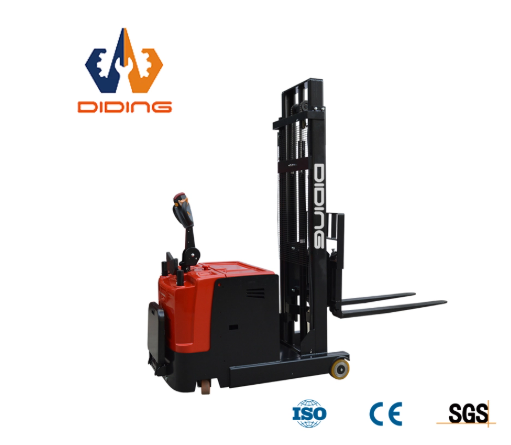
Understanding Electric Pallet Trucks in Food Warehouses
Powerful electric pallet trucks are an important part of modern food warehouses because they make moving palletized goods quickly and cleanly, which is exactly what food safety rules require. Electric motors power these motorized units instead of people's muscles, making it easier for workers to move big things across building floors with little effort.
Types of Electric Pallet Trucks for Food Applications
In food warehouses, walk-behind electric pallet trucks are the most common type. They allow workers to keep exact control while moving through small hallways between refrigerated storage units. These small machines work great in tight areas where keeping the temperature just right means being careful around fragile items. Larger distribution centers can be more productive with ride-on models because they have platforms for operators that keep them from getting tired during long shifts on big building floors.
Heavy-duty electric versions can handle big loads that are popular in food processing plants, where moving large ingredients and finished goods needs to be strong. The strong structure and high stability make it safe to move things that aren't round or are heavy on top, which is common in food packing.
Key Safety Features for Food Environments
Keeping people safe in food warehouses requires extra care that goes beyond normal material handling tasks. The emergency reverse button lets workers go backwards right away if they run into unexpected barriers or areas of contamination. This keeps the product from getting damaged or accidents from happening. This function is especially useful in temperature-controlled places where vapor or condensation can make it hard to see.
Built-in safety systems like anti-slip platforms, load stability monitors, and proximity recognition keep food handling areas safe and keep accidents from happening. These built-in defenses help keep the area clean, which is necessary for food safety rules, and keep workers and stock safe from getting contaminated.
Core Considerations When Choosing Electric Pallet Trucks for Food Warehouses
When buying electric pallet trucks for a food warehouse, you have to find a balance between how well it works and how well it meets strict cleanliness standards and legal requirements. Knowing these important factors will help you choose the best tools that will improve working efficiency while keeping food safety standards.
Performance Metrics and Operational Requirements
Load capacity is an important thing to think about because food centers usually store a lot of different things, from light packaged items to heavy bulk ingredients. When a facility works multiple shifts, battery life is very important because constant power supply keeps work going during long operational times. The built-in charger design removes downtime by letting you charge during breaks, which is important for food distribution operations that need to be done quickly.
When moving things in tight aisles, you need to carefully consider the turning radius and general measurements. This is especially important in refrigerated areas where saving space is key to getting the most storage space. The length and width of the forks can be changed to fit different pallet shapes that are popular in food warehouses, such as normal grocery pallets and containers made just for frozen or fresh goods.
Hygiene and Regulatory Compliance Features
Food safety laws require tools that can survive strict cleaning procedures without losing its mechanical integrity. Stainless steel parts don't rust when disinfecting chemicals hit them, and their smooth surfaces keep germs from building up. Designs that are easy to clean get rid of cracks where germs could hide, which supports the thorough cleaning processes needed by FDA and USDA rules.
Food-grade lubricants, protected electrical parts, and design that can handle being washed down completely without damaging the tools are all options. These requirements make sure that the Hazard Analysis and Critical Control Points (HACCP) rules are followed, which is necessary to keep food safety licenses.
Comparing Compact and Standard Models
In crowded food warehouses, where every square foot affects storage room and work flow, small off road electric pallet truck types make the best use of space. These units can move through tight paths between high-density shelving systems and still have enough power to handle normal loads of food. Standard types are more stable and can lift more weight, making them good for bigger distribution centers that handle a wide range of products with different weight ratios.
The structure of the warehouse, the types of loads that are usually stored there, and how the business runs all affect the choice of setup. Compact designs work best for facilities that focus on high-speed picking, while standard models are needed for big distribution centers because they need to be strong.
Maintenance and Operational Best Practices for Food Warehouse Electric Pallet Trucks
To keep things running at their best in a food warehouse, specific upkeep procedures are needed that keep the equipment working and meet strict cleanliness standards. Unexpected failures that could stop important food distribution processes can be avoided with good repair plans.
Scheduled Maintenance for Food Environment Demands
The most important part of taking care of an electric pallet truck is keeping the batteries in good shape. The charging systems, connections, and acid levels should all be checked regularly. The built-in charger makes this process easier by giving consistent charging settings that keep the battery from getting damaged by bad charging habits. Routine cleaning plans need to take into account both the needs for machine upkeep and the needs for food safety.
Visual checks of important parts, confirmation of proper cleaning, and functional tests of safety systems, including the emergency reverse button, should all be part of daily checkups. As part of weekly care, the battery is checked for function and moving parts are oiled with food-grade materials.
Staff Training and Safety Protocols
Full training for operators makes sure that the equipment is used safely and that food safety standards are met during all material handling activities. Training programs need to cover the right way to clean, what to do in an emergency, and how to spot possible pollution risks during regular operations. When working with different kinds of food, operators need to know what their tools can and can't do, especially when it comes to load limits and steadiness.
Safety rules include checking tools before each job, using the right lifting methods, and being aware of temperature-related issues when working in cold places. Refresher training is important to keep workers' skills up to date and to teach them about new safety features or changes to procedures.
Leasing Versus Purchasing Considerations
When doing a financial analysis, you should look at how different buying methods affect cash flow, taxes, and the managerial freedom they offer. Leasing has fixed monthly costs and covers maintenance, which is good for small businesses that don't have a lot of money to spend. For businesses that have been around for a while, have stable equipment needs, and can do their own repair, purchase choices can save them money in the long run.
Rental deals give businesses short-term flexibility for seasonal operations or temporary capacity increases, which happen a lot in food delivery during busy times. Depending on the size, operations, and finances of the business, each choice has its own benefits.
Making the Procurement Decision: How to Choose and Where to Buy?
To do strategic procurement, you need to know what the practical needs are, check out the skills of the suppliers, and choose acquisition methods that help the business reach its long-term goals. For food warehouses to work, they need relationships with reliable tools that ensure consistent performance and legal compliance.
Tailored Recommendations by Operation Scale
Small to medium-sized food stores can benefit from off road electric pallet truck models that can handle a variety of products while still taking up little room. Cost-effective options with easy maintenance needs and reliable performance in a range of load situations are usually what these activities need.
Large distribution centers need strong tools that can keep working with little downtime. Advanced features and high-capacity models give them the durability and efficiency needed in tough operating settings. When processes need more than one unit with standard repair procedures, fleet management issues become important.
Acquisition Strategy Evaluation
Leasing gives you access to newer technology at a price you can budget for and with full service coverage. This method works well for businesses that want to prioritize managing cash flow and avoiding risks related to becoming obsolete. For businesses that have been around for a while, have stable needs, and can handle their own care, purchase agreements can save them money in the long run.
Rental choices give you the freedom to adapt to seasonal changes or short-term capacity growth without having to make long-term promises. Mixed fleet plans use a variety of acquisition methods to keep working flexibility while lowering costs.
Supplier Selection and Support Services
Reliable seller ties make sure that parts are always available, that service is quick, and that problems are solved by experts. Local service networks cut down on downtime by making maintenance and fixes happen quickly. A full guarantee shields the value of your investment and makes sure that it can keep working.
Support for training helps businesses get the most out of their tools while still meeting safety standards. As the needs of the business change, ongoing expert consultation lets operating processes and equipment configuration be optimized.
Conclusion
In order to choose the right electric pallet trucks for use in a food warehouse, performance needs, cleanliness standards, and operating limitations must all be carefully considered. These tools are must-haves for modern food delivery businesses because they increase productivity, make safety better, and make sure they follow all the rules. To be successful, you need to make sure that the capabilities of your tools meet the needs of your operations and that you build trusting relationships with your suppliers that support your long-term performance goals. Following the right repair procedures and training for operators will get you the best return on your investment while still meeting the high safety standards needed in food-handling settings.
FAQ
What makes electric pallet trucks suitable for food warehouse environments?
Electric pallet truck units made for food uses have special parts that can handle strict cleaning procedures without losing their functionality. Construction made of stainless steel, electricity systems that are sealed, and materials that are safe for food all help keep the area clean, which is needed by food safety rules.
How do electric pallet trucks improve productivity in food warehouses?
Motorized operation gets rid of the need to push and pull things by hand, so people can move heavy things farther with less effort. This less physical stress lets workers keep up their productivity over long shifts while reducing mistakes caused by tiredness that could compromise food safety rules.
What safety features are essential for food warehouse operations?
Important safety features include emergency reverse buttons that let you change directions right away, load support systems that keep the machine from tipping over, and anti-slip bases that keep the operator safe in places that might get wet. These integrated safety systems keep both people and things safe while also meeting legal standards.
Partner with Diding Lift for Your Food Warehouse Equipment Needs
Diding Lift offers a full range of electric pallet truck options that are designed to work in food warehouses with strict requirements. We have a lot of experience working with food preparation, cold storage, and distribution sites, so we know exactly what the rules are and how to follow them. Advanced features like a built-in charger, an emergency reverse button, fork sizes that can be changed, an available lithium battery update, and a strong, stable structure give you the dependability and performance you need for your job.
Get in touch with our expert team at sales@didinglift.com to learn more about all of our food-grade material handling options. As a reliable electric pallet truck maker, we offer full support, from the initial meeting to ongoing upkeep, to make sure that your investment gives you the most practical value.
References
Food Safety Modernization Act Compliance Guide for Material Handling Equipment in Food Facilities. FDA Center for Food Safety and Applied Nutrition, 2023.
Warehouse Management Systems and Electric Pallet Truck Integration in Cold Chain Operations. Journal of Food Distribution Research, Volume 54, 2024.
Ergonomic Assessment of Electric vs Manual Material Handling Equipment in Food Processing Facilities. Occupational Safety and Health Administration Technical Report, 2023.
Cost-Benefit Analysis of Electric Material Handling Equipment in Food Warehouse Operations. International Journal of Logistics Management, 2024.
HACCP Implementation Guidelines for Material Handling Equipment in Food Storage Facilities. American Society of Agricultural and Biological Engineers, 2023.
Battery Technology Advances in Food Grade Electric Material Handling Equipment. Material Handling Industry Technical Bulletin, 2024.
 English
 العربية
 Français
 Русский
 Español
 Português
 Deutsch
 italiano
 日本語
日本語 한국어
한국어 Nederlands
 Tiếng Việt
 ไทย
ไทย Polski
 Türkçe
 ພາສາລາວ
 ភាសាខ្មែរ
 Bahasa Melayu
 ဗမာစာ
ဗမာစာ தமிழ்
தமிழ் Filipino
 Bahasa Indonesia
 magyar
 Čeština
 қазақ
қазақ Српски
 हिन्दी
 فارسی
فارسی Kiswahili
 Svenska
 українська
 Ελληνικά
 Suomi
Suomi עברית
עברית Latine
 اردو
اردو বাংলা
বাংলা Afrikaans
 Gaeilge
 Māori
Māori Oʻzbekcha
 অসমীয়া
 Aymara
 Bamanankan
 Беларуская мова
 Bosanski
 ދިވެހި
 Eʋegbe
 guarani
 Kreyòl ayisyen
 ʻŌlelo Hawaiʻi
 íslenska
 Krio we dɛn kɔl Krio
 Kurdî
Kurdî Runasimi
 Gagana Samoa
 Sesotho
 سنڌي
سنڌي Soomaali
 ትግንያውያን
 Yorùbá


