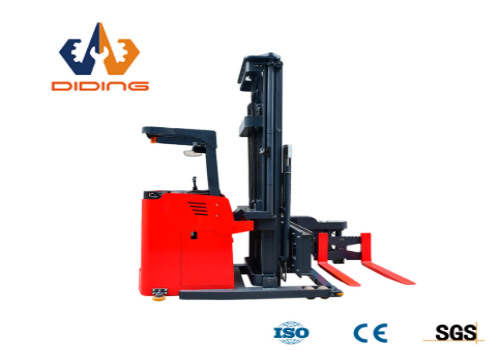
When it comes to moving materials, the choice between OEM and branded electric pallet stackers comes down to your business's needs, your budget, and the way you need to run your business. OEM electric pallet stackers are great for high-volume purchases and specialized tasks because they are very cost-effective and can be customized to fit your needs. Branded models have established service networks, a track record of reliability, and cutting-edge technology features that make their higher prices worth it for mission-critical tasks that need full support and maximum uptime.
![electric pallet stacker]()
Understanding OEM and Brand Electric Pallet Stackers: Key Differences
OEM and branded electric pallet stackers are fundamentally different in many ways, not just how much they cost. These differences include how they are manufactured, how they are positioned in the market, and how they help customers, all of which have a big impact on purchasing choices.
What Are OEM Electric Pallet Stackers?
Original Equipment Manufacturer (OEM) pallet stackers are made by specialized companies that care more about making things quickly and cheaply than selling their own brands. The way these companies usually work is through private labeling agreements, which let distributors and resellers change the specs to fit the needs of particular markets.
OEM units are made using methods that are both safe and cost-effective, while still meeting important safety standards and operating requirements. Businesses that offer private labeling can add their own branding, change technical specs, and change the way equipment is set up to fit specific needs in a variety of industry sectors.
Streamlined production methods, lower marketing costs, and direct-to-distributor sales channels all help the cost structure. OEM manufacturers can offer low prices because they don't have to pay brand-specific fees. Instead, they focus their resources on improving production and quality control.
Branded Electric Pallet Stackers Overview
Established companies like Crown, Yale, Toyota, and Raymond have built strong market positions over many years by coming up with new ideas, improving quality, and providing excellent customer service. These businesses put a lot of money into research and development, which helps them make goods with advanced features that set them apart from simpler options.
A brand's image is based on how well it consistently performs in a wide range of operational environments, from cold-chain warehouses to factories that make cars. Market positioning strategies stress technology leadership, extensive service networks, and long-term dependability, which allows for higher prices for applications that need them.
Standardized specifications make sure that all product lines work the same way, which makes maintenance plans and parts availability more predictable. These features give companies operational certainty for equipment that needs to work reliably without unexpected changes in capabilities or service needs.
Market Landscape and Distribution Channels
Wholesale distributors and equipment dealers who work with more than one maker are what make OEM supplier networks work. Businesses that need customized solutions or want to save money by buying in bulk can use these channels to get access to cheap pricing options and flexible purchasing arrangements.
Branded equipment sales and repair are covered by authorized dealer networks in all areas of the world. Standardized training programs, certified technicians, and predictable reaction times are all part of these networks, which help mission-critical operations that need to be up all the time.
Depending on the amount of purchases and the level of technical help needed, online marketplaces and direct procurement channels offer different benefits. Having direct relationships with manufacturers lets you make changes and get discounts for buying in bulk, while marketplace choices make it easy to find standard configurations and compare prices.
Decision Criteria Framework: Essential Factors for Procurement Teams
To make good procurement choices for pallet stacker electric, you need to carefully consider a lot of factors that affect both short-term operational needs and long-term business goals in a variety of industry settings and applications.
Budget and Total Cost of Ownership Analysis
When you first look at the prices of OEM and branded choices, you'll notice that they are very different. OEM units usually have 15-30% lower prices for the same specifications. But a full financial study needs to look at costs for upkeep, availability of parts, and lost productivity, all of which affect the overall costs of owning a piece of equipment over its lifetime.
The estimated costs of maintenance and repair are very different for OEM and branded options. Branded equipment usually has set maintenance schedules and prices for parts, while OEM units might need more study to find approved service providers and replacement parts that work with specific applications.
Different makers and distributors offer different financing and leasing programs. Established brands usually offer a range of financing options through partnerships with equipment finance companies. On the other hand, OEM suppliers may need different financing arrangements or cash purchases, based on the credit policies and abilities of the distributors.
Technical Specifications and Performance Requirements
Weight requirements in the usual range of 1,500 to 4,000 pounds must match up with specific operational needs in a variety of business settings. Manufacturing plants that work with car parts need different rules than retail distribution centers that work with consumer goods or e-commerce fulfillment operations.
When choosing between lithium and lead-acid batteries, the technology used affects both efficiency and maintenance needs. Modern OEM units often have 24V/82Ah gel batteries that don't need to be maintained and have chargers built right in. This means they work reliably without having to go through complicated upkeep steps. Upgrades to lithium batteries are available that can improve their performance for demanding applications that need to run for long amounts of time.
Operational aspects, such as whether the machine is walk-behind or ride-on, affect how productive it is and how comfortable the operator is during long shifts. Specifications for equipment like 0.9kW AC drive motors and 2.2kW AC lifting motors give you the power you need to move things around efficiently in a warehouse with a lot of different conditions and needs.
Quality Standards and Compliance Requirements
Different businesses and work environments have different safety certifications and rules that must be followed. For example, equipment that works near production lines in factories often needs to be certified in a certain way. For food processing, surfaces that can be cleaned and materials that are approved for clean surroundings are needed.
Businesses that use quality management systems have to make decisions about what to buy based on ISO guidelines and industry-specific requirements. Compliance paperwork and approval records are needed for operations that need to be able to track materials and make sure they are of good quality throughout the handling process.
Depending on the manufacturer's rules and the distributor's abilities, warranty coverage and service level agreements offer different levels of safety. Comprehensive warranty programs usually cover parts replacement, labor costs, and reaction time guarantees. These help keep important applications running even when they need the most uptime assurance.
OEM Electric Pallet Stackers: Advantages and Considerations
OEM options have strong benefits in some business situations, but they also have some issues that need to be carefully thought through during the purchasing process. By understanding these trade-offs, you can make smart choices that are in line with operational goals and your budget.
Cost Benefits and Procurement Flexibility
Businesses that want to grow or replace old tools can save a lot of money by buying in bulk and taking advantage of competitive prices. Volume-based price structures are especially appealing for big buying projects that need to use more than one warehouse or for seasonal capacity increases that need temporary equipment additions.
Standard setups can't meet the needs of all applications, but customization lets you meet those needs. Features like fork length and width that can be changed make it possible to optimize for different pallet sizes or specific material handling needs in a variety of business sectors and working settings.
When you need to replace something quickly or quickly grow your business, faster procurement processes can help. OEM suppliers usually keep standard configurations in stock, which means shipping times are shorter than for branded alternatives, which may need longer lead times for popular models during times of high demand.
Private Labeling and Brand Integration Opportunities
With custom branding choices, distributors and resellers can make their own product lines without having to spend a lot of money on manufacturing. Private labeling agreements help businesses set themselves apart while keeping their price benefits, which are important for positioning themselves in the market and getting new customers.
Specification changes of pallet stacker electric are made to fit niche uses that need special features or performance traits. OEM manufacturers of pallet stacker electric usually give you more freedom to change the design than well-known names that have standard product lines and few ways to make them fit your specific needs.
When a business needs a lot of equipment in a lot of different places, volume-based price benefits become important. Cost savings from large-scale procurement projects may be worth giving up some brand recognition or service network coverage, based on operational priorities and budget allocation strategies.
Potential Limitations and Risk Factors
The biggest problem with OEM equipment in some places is that there may not be enough service network availability. Before committing to OEM solutions that may not have a full support system, businesses that work in remote areas or need quick response times need to look at the service providers and parts that are available.
Parts availability and lead times can affect a business's ability to keep running when they need to change parts right away. OEM manufacturers may have different inventory tactics than well-known brands that have large networks for distributing parts and standardize the specs of each part across all of their products.
Companies that want to upgrade their equipment or update their fleet may have trouble keeping the value of used equipment when the time comes to sell it. When it comes to secondary markets, branded equipment usually holds its value better, which is good for businesses that need to replace their equipment often or set up lease return agreements.
Brand Electric Pallet Stackers: Value Proposition Analysis
Branded solutions justify premium pricing through comprehensive value propositions that address operational reliability, service availability, and technological advancement requirements for demanding applications across diverse industry sectors.
Established Service Networks and Support Infrastructure
Nationwide dealer and service coverage provides operational security for businesses requiring guaranteed response times and certified technician availability. Comprehensive service networks ensure consistent support quality across multiple locations while maintaining standardized repair procedures and parts availability throughout equipment lifecycles.
Certified technician training programs ensure consistent service quality and proper maintenance procedures that maximize equipment reliability and operational lifespan. Standardized training curricula and certification requirements create predictable service experiences regardless of geographic location or local dealer capabilities.
Predictable maintenance schedules enable accurate operational planning and budget forecasting for businesses requiring consistent equipment availability. Established maintenance protocols and parts replacement schedules support proactive maintenance strategies that minimize unexpected downtime and operational disruptions across critical material handling applications.
Proven Track Record and Market Validation
Performance data and case studies from similar industry applications provide confidence in equipment reliability and operational capabilities. Established manufacturers maintain extensive databases of operational statistics and customer feedback that support procurement decisions for businesses requiring proven performance in specific applications.
User reviews and industry recommendations from comparable operations offer valuable insights into real-world performance characteristics and maintenance requirements. Industry publications and trade associations often provide comparative evaluations that highlight strengths and limitations across different equipment categories and applications.
Resale value retention advantages provide financial benefits for businesses requiring periodic equipment upgrades or lease arrangements. Branded equipment typically maintains higher residual values due to market recognition and established demand in secondary markets, supporting favorable financing terms and lease arrangements.
Advanced Technology and Innovation Leadership
Latest battery management systems optimize performance and extend operational periods between charging cycles. Advanced technology features such as LI-ION battery compatibility and intelligent charging systems enhance productivity while reducing maintenance requirements for demanding operational environments.
Integrated IoT and fleet management capabilities enable real-time monitoring and predictive maintenance strategies that minimize unexpected downtime. Connected equipment systems provide operational data and performance analytics that support continuous improvement efforts and maintenance optimization across large equipment fleets.
Continuous product development and upgrades of pallet stacker electric ensure access to latest technological innovations and performance improvements. Established manufacturers of pallet stacker electric invest substantially in research and development programs that introduce new features and capabilities aligned with evolving industry requirements and operational challenges.
Making the Right Choice: Decision Matrix for Different Business Scenarios
Strategic procurement decisions require alignment between equipment characteristics and specific operational requirements across different business scenarios and industry applications that influence long-term success and operational efficiency.
When OEM Solutions Make Strategic Sense
High-volume procurement requirements involving 50 or more units enable substantial cost savings that justify potential trade-offs in brand recognition or service network coverage. Large-scale procurement projects benefit from volume pricing advantages and customization opportunities that OEM manufacturers can accommodate more readily than established brands.
Private labeling and distribution business models create opportunities for equipment dealers and distributors to develop proprietary product lines with competitive pricing advantages. OEM partnerships enable market differentiation while maintaining profit margins essential for sustainable business growth and customer acquisition strategies.
Cost-sensitive applications with basic feature requirements benefit from OEM solutions that provide essential capabilities without premium pricing associated with advanced features or brand recognition. Operations requiring standard material handling capabilities without specialized performance requirements can achieve significant savings through OEM procurement strategies.
When Brand Solutions Provide Superior Value
Mission-critical operations requiring maximum uptime justify premium pricing for branded equipment with comprehensive service networks and proven reliability records. Operations where equipment failures create substantial operational disruptions or customer service impacts require the additional security provided by established manufacturers and service infrastructure.
Limited internal maintenance capabilities make branded solutions attractive for businesses without dedicated equipment technicians or maintenance facilities. Comprehensive service networks and standardized maintenance protocols provide operational security for organizations requiring external service support and guaranteed response times.
Premium applications demanding cutting-edge technology features benefit from branded manufacturers' innovation leadership and continuous development programs. Operations requiring advanced performance characteristics or specialized capabilities often require the technological advantages available through established manufacturers' research and development investments.
Hybrid Procurement Strategies
Mixed fleet approaches enable optimization across different operational zones with varying performance requirements and budget constraints. Organizations can deploy branded equipment for mission-critical applications while utilizing OEM solutions for standard material handling requirements that do not require premium features or comprehensive service coverage.
Pilot programs provide opportunities to evaluate OEM alternatives without committing to large-scale procurement decisions. Limited testing arrangements enable performance validation and service evaluation before expanding OEM adoption across broader operational requirements or multiple facility locations.
Strategic partnerships with multiple suppliers create procurement flexibility and competitive advantages through diversified sourcing strategies. Maintaining relationships with both OEM and branded suppliers enables businesses to optimize equipment selection based on specific application requirements and changing operational priorities.
Conclusion
The choice between OEM and branded electric pallet stackers requires careful evaluation of operational requirements, budget constraints, and long-term business objectives. OEM solutions provide compelling cost advantages and customization flexibility for high-volume procurement and specialized applications, while branded equipment offers comprehensive service networks and proven reliability for mission-critical operations. Consider your specific industry requirements, maintenance capabilities, and operational priorities when making this important procurement decision that will impact your material handling efficiency and total cost of ownership for years to come.
FAQ
What is the typical cost difference between OEM and brand electric pallet stackers?
OEM electric pallet stackers typically cost 15-30% less than equivalent branded models, with savings increasing for bulk purchases. However, consider total cost of ownership including maintenance, parts availability, and resale value when making comparisons. Volume procurement arrangements can increase savings significantly for businesses requiring multiple units across different locations.
How do warranty terms compare between OEM and branded electric pallet stackers?
Branded manufacturers often provide comprehensive 2-3 year warranties with nationwide service coverage, while OEM warranties may be 1-2 years with potentially limited service networks. Always evaluate warranty coverage geographic scope and response time commitments. Service level agreements and parts availability guarantees vary significantly between different manufacturers and distributors.
Can OEM electric pallet stackers match the performance of branded models?
Many OEM electric pallet stackers offer comparable technical specifications including weight capacity, lift height, and battery performance. The key differences often lie in build quality consistency, advanced features, and long-term reliability rather than basic operational capabilities. Modern OEM units feature solid structural designs with high stability and are engineered for large-tonnage load capacity comparable to branded alternatives.
Choose Diding Lift for Your Electric Pallet Stacker Needs
Selecting the right electric pallet stacker supplier requires partnering with a manufacturer that combines competitive pricing with proven reliability and comprehensive customer support. Diding Lift brings 12 years of industry experience developing innovative material handling solutions that serve warehousing, manufacturing, and logistics operations across diverse applications. Our electric stackers feature 24V/82Ah maintenance-free gel batteries, built-in charger designs, and customizable fork dimensions that optimize performance for your specific operational requirements. Contact our procurement specialists at sales@didinglift.com to explore our complete range of electric pallet stackers for sale and discover how our proven solutions can enhance your material handling efficiency while delivering exceptional value for your investment.
References
Industrial Equipment News. "Material Handling Equipment Procurement Strategies for Warehouse Operations." Material Handling Industry Publication, 2023.
Logistics Management Research Institute. "Total Cost of Ownership Analysis for Electric Pallet Stackers in Distribution Centers." Supply Chain Technology Review, 2023.
American Material Handling Society. "Safety Standards and Compliance Requirements for Electric Material Handling Equipment." Industrial Safety Standards Manual, 2024.
Warehouse Operations Quarterly. "Comparative Performance Analysis: OEM versus Branded Material Handling Equipment." Operational Efficiency Research, 2023.
Material Handling Equipment Association. "Industry Trends and Technology Developments in Electric Pallet Handling Solutions." Annual Industry Report, 2024.
Supply Chain Technology Institute. "Procurement Best Practices for Material Handling Equipment in Manufacturing and Distribution." Strategic Procurement Guidelines, 2023.