Sourcing electric pallet stackers from overseas suppliers requires careful evaluation of technical specifications, supplier credentials, and compliance standards. The key lies in identifying manufacturers who offer reliable battery systems, robust lifting capabilities, and comprehensive after-sales support. Modern stackers typically feature advanced AC drive motors, maintenance-free gel batteries, and customizable configurations to meet diverse operational requirements. Successful procurement depends on thorough market research, clear communication with suppliers, and establishing long-term partnerships that ensure quality, competitive pricing, and ongoing technical support for your material handling operations.
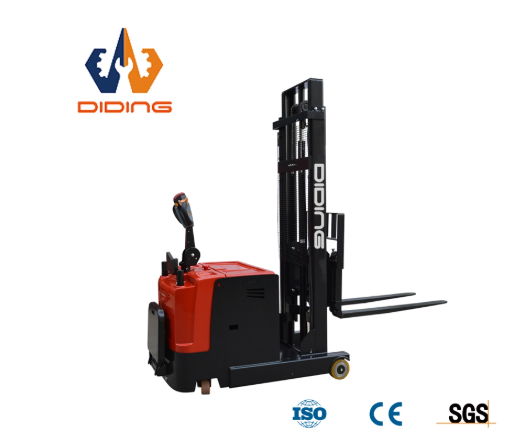
Understanding the Electric Pallet Stacker Market
The market for modern material handling equipment includes a wide range of stacker designs, each designed to solve a different set of problems in industrial and warehouse settings. When procurement teams know about these differences, they can make choices that are in line with their building needs and operational processes.
Types and Configurations Available
Pedestrian-operated stackers are the most popular type of stacker in places that need to move things precisely in small areas. They give operators direct control over moving and placing tasks. Most of the time, these units are small and have turning angles that work best in narrow hallways and tight storage spaces. Rider-type stackers are more productive for jobs that need to drive longer distances and move more things at once. They have operator stations and advanced control systems that allow them to be used for longer periods of time.
Reach stackers are specialized solutions for facilities that manage high-density storage systems. They have telescopic features that let them reach deep into storage areas without affecting the security of the loads. These units usually have complex hydraulic systems and precise controls that make placement easier in places with multiple levels of racks.
Key Technical Specifications
Battery technology is an important part of current electric pallet stackers, and different makers make different power systems to meet different needs. Modern units usually have 24V systems with large ampere-hour capacities, which lets them work for longer amounts of time between charging processes. Advanced models have gel battery technology that doesn't need to be maintained. This means that the electrolyte doesn't need to be checked regularly, and the power transfer stays the same throughout the discharge cycle.
Modern pallet stacker electrics use AC motor technology for their drive systems. They usually have 0.9kW drive motors that provide smooth acceleration and exact speed control even when the load changes. More powerful motors are used in lifting mechanisms. 2.2kW AC lifting motors are now common for uses that need to be able to reliably place things vertically. These standards make sure that the equipment works the same way in harsh operating conditions while using the least amount of energy and needing the least amount of upkeep.
Market Trends and Supplier Landscape
There have been big changes in technology and the way things are made in different parts of the world, which can be seen in the foreign supplier scene. Leading manufacturing centers have become experts in certain types of technology, such as battery management systems and hydraulic component integration. This means that buyers can get access to these specialized skills by making smart choices about where to buy.
There are big differences in the quality standards of different types of suppliers. Well-known brands put a lot of money into quality management systems and certification programs. ISO 9001 certification is now a must for trustworthy sellers. Other certifications, like the CE mark, show that a product meets specific safety and performance standards in a certain area.
Criteria for Selecting Reliable Overseas Electric Pallet Stacker Suppliers
To choose a good supplier, you need a thorough review system that looks at things like professional skills, quality systems, and the possibility of a long-term relationship. The first step in this process is to clearly define what needs to be bought and how to evaluate suppliers using measured criteria.
Defining Procurement Requirements
As part of an operational needs analysis, you should include information about the load capacity, job cycle, and environmental conditions that the equipment will be used in. Facilities that deal with standard pallet loads need different rules than those that deal with odd goods or special cases. The amount of battery life needed depends a lot on the shift pattern. For example, charging facilities for single-shift operations are different from those for ongoing operations.
For places with specific working needs, the ability to customize is an important thing to think about. Modern suppliers offer fork sizes that can be changed, different attachment choices, and different lifting heights to fit different storing systems and methods of handling. Professional suppliers are different from basic equipment providers because they can change these factors without affecting the structure's strength or the guarantee coverage.
Supplier Evaluation Criteria
When evaluating a manufacturer's skills, it's important to look at their production capacity, quality control methods, and how well they use technology in their own facilities. Companies that have been around for a while usually have research and development teams that are always working to make products better and include new technologies. Most of the time, these skills lead to more stable goods and better long-term support.
An review of financial security helps make sure that the seller will be there for the whole lifecycle of the equipment and that warranty support will be available. This evaluation should look at the company's past, its place in the market, and the types of customers it has to figure out how long it can stay in business. When a supplier has been in more than one country for a long time, they are likely to have more reliable support networks and standard service processes that work across all areas.
Compliance and Certification Verification
Different applications and places have different safety certification needs, so checking for compliance is important for a good equipment rollout. Different approvals are needed for electric pallet stackers that are meant to be used in food processing areas versus general warehouse areas. If you know about these needs early on in the buying process, you can avoid costly delays and make sure that the equipment fits together perfectly.
Environmental safety guidelines include how to properly dispose of batteries, the materials that they are made of, and how much energy they use. Leading providers take these needs into account by choosing materials and designs, and they also provide paperwork that makes it easier to report compliance and integrate environmental management systems.
Step-by-Step Process to Source Electric Pallet Stackers Overseas
Systematic sourcing processes for pallet stacker electric lower the risks of buying things and make it easier to find the best source connections. This organized method makes sure that the whole market is covered and makes it easier to compare suppliers in an unbiased way.
Market Research and Supplier Identification
For the first round of research, you should use well-known industry directories and trade platforms that focus on finding sellers of material handling tools. These tools give you standard information about suppliers and make it easy to do a quick screening based on product types, processing skills, and location. Professional trade groups often keep lists of suppliers that include information about quality certifications and signs of the image of the business.
To figure out how good a company's products and services are, direct source research includes looking at their websites, technical documents, and customer reviews. When suppliers give thorough technical specs, installation guides, and maintenance paperwork, it usually means they are more professional and care about their customers.
Communication and Negotiation Strategies
For supplier conversation to work well, technical needs, delivery goals, and quality standards must be made clear from the first point of contact. Professional providers like detailed specs and will reply with detailed offers that meet specific operating needs instead of general product listings. This level of depth helps you find suppliers who know what your business needs and can give you the right expert support.
During negotiations, you should talk about things like guarantee coverage, the availability of extra parts, training requirements, and how to get help after the sale. Modern electric pallet stackers have complex electrical control systems that need to be maintained by people with the right troubleshooting tools and technical knowledge. Setting these support parameters during the original talks will ensure long-term operating success and accurate cost estimates.
Contract Management and Order Processing
To protect the buyer's interests and make sure the seller knows what they have to do, purchase agreements should include performance standards, delivery schedules, and acceptance testing methods. Standardized Incoterm usage helps international deals because it makes it clear who is responsible for shipping, what insurance covers, and where risk is transferred during the logistics process.
Before a package goes out, quality checking methods should be set up. These should include plant acceptance testing procedures and, if necessary, third-party proof options. This method helps find problems before the equipment gets to your building, which cuts down on installation times and makes sure that all the requirements are met.
Best Practices for Managing Electric Pallet Stacker Procurement and Usage
Effective equipment management includes more than just buying the equipment. It also includes planning for operating integration, upkeep, and ways to get the best performance out of it. These steps increase the worth of equipment while keeping activities safe and effective.
Maintenance and Operational Guidelines
Modern stackers that use gel batteries need to be maintained in a certain way to work at their best and last as long as possible. Battery connections, hydraulic fluid levels, and wear patterns on mechanical parts should all be checked on a regular basis. Gel batteries don't need to have their acid levels checked, but they do need to be charged correctly and have their temperature managed while they're working.
Built-in charger systems make upkeep easier and make sure the batteries are charged properly so they last longer. Most of the time, these systems have temperature adjustment and automatic charge end features that protect battery parts and increase runtime. When workers understand these systems, they can make charging schedules that meet operating needs without shortening the life of equipment.
Safety Protocol Implementation
When you teach operators, you should talk about the equipment's capabilities, its weight limits, and the safe ways to use it in your building. Electric pallet stackers with fork lengths that can be changed and lifting capacities that can be changed need a lot of training to make sure that workers know what the equipment can and can't do and how to use it correctly. Standardized training methods raise the chances of accidents while increasing output.
Safety equipment integration includes emergency stop systems, proximity sensors, and better sight that keep workers and people close safe while the equipment is running. These features are often standard on newer units, but making sure they work right during setup and testing is important to make sure they last as long as the equipment does.
Performance Optimization Strategies
Facility layout affects the choice of tools and the results of operating efficiency. Optimized turning angles and small sizes on pallet stacker electrics make it easier to move around in tight areas while still being able to carry loads. Understanding these links between dimensions helps improve how warehouses are laid out and how equipment is used.
Integrating accessories into machinery makes it more flexible and useful in current facilities. When chosen and used correctly, compatible extensions for specific types of loads, features that make the user more comfortable, and productivity tracking systems can all make operations much more successful.
Evaluating and Negotiating with Leading Electric Pallet Stacker Brands and Suppliers
To find the best supplier partnerships, brand evaluation needs to look closely at technical skills, market image, and support infrastructure. This evaluation process should find a balance between the need to buy things right away and the need to run the business and grow in the long term.
Comparative Brand Analysis
Companies that have been around for a while usually have clear benefits in certain areas of technology, such as battery management systems and the dependability of hydraulic parts. Knowing about these talents helps match the skills of suppliers with the needs of operations and finds places where performance can be improved or costs can be cut.
New suppliers often offer low prices and new features that make established industry players think twice. These suppliers might be able to offer better customization options, faster shipping times, or unique features that meet the needs of a certain business. To carefully consider these choices, you need to look at their quality methods, help options, and ability to last in the long term.
Technology Integration Considerations
Advanced stackers increasingly incorporate electronic control systems that provide enhanced operational capabilities and diagnostic features. These systems enable remote monitoring, performance optimization, and predictive maintenance capabilities that can significantly improve operational efficiency when properly implemented. Suppliers with strong technology integration capabilities often provide better long-term value despite potentially higher initial costs.
Compatibility with lithium batteries is a new trend in technology that can greatly improve performance for high-intensity uses. Modern stackers with lithium battery upgrade tracks make it possible to make operating changes in the future without having to replace all the equipment. This ability to work with new technology can help pay for bigger initial investments by making tools last longer.
Procurement Strategy Development
The total cost of ownership, not just the starting cost of purchase, should be used to compare purchase choices. Alternative financing options, rental programs, and lease agreements may help you better control your cash flow while still giving you access to the latest technology and a full range of support services. Most of the time, these options come with upkeep plans and update paths that make managing equipment easier.
The goal of developing supplier partnerships is to build long-lasting relationships that provide continued value through expert help, access to spare parts, and chances to upgrade equipment. Professional providers care about their relationships with customers and offer consultation services that help customers get the most out of their tools and find ways to make it better as their needs change.
Conclusion
If you want to successfully buy electric pallet stackers from abroad, you need to carefully consider how to build long-lasting partnerships with suppliers and carefully evaluate their abilities. There are a lot of ways to save money and get access to new technologies in the foreign market, but you need to do your research and use professional purchasing techniques to get these benefits. Modern equipment with AC drive systems, maintenance-free gel batteries, and flexible setups is a great deal if it comes from a reputable provider with well-established quality systems and full support options.
FAQ
How do I verify the authenticity and reliability of overseas electric pallet stacker suppliers?
Supplier verification should include examination of manufacturing certifications, customer references, and quality management system documentation. Professional providers give views of their facilities, proof of quality, and contact information for customers who can be used as references. Verification services from a third party can add extra security to important purchasing choices.
What maintenance requirements should I expect with modern electric pallet stackers?
Compared to older flooded battery systems, modern stackers with gel battery technology need less regular upkeep. Mechanical parts, hydraulic systems, and electrical links should all be inspected regularly. Built-in charger systems make charging easier, and automatic systems check the state of the battery and find the best charging settings to make the battery last longer.
How can I ensure compliance with safety standards when purchasing internationally?
To meet safety standards, you need to make sure that the right certifications are in place for your product and area. The CE mark shows that the product meets European safety standards. In some situations, like food processing or handling dangerous materials, you may need extra approvals. Professional providers provide detailed paperwork and help with processes that check for compliance.
What factors should influence my choice between gel and lithium battery options?
The choice of battery relies on how often it will be used, where it will be charged, and how much it will cost all together. When it comes to high-intensity uses, lithium batteries have a higher energy density and can be charged faster, while gel batteries work reliably and don't need much upkeep. Modern stackers that work with lithium batteries make upgrades easier as business needs change.
Partner with Diding Lift for Your Electric Pallet Stacker Requirements
Diding Lift combines 12 years of manufacturing excellence with comprehensive material handling solutions designed for modern warehouse operations. Our advanced electric pallet stackers feature maintenance-free gel batteries, built-in charging systems, and customizable configurations that address diverse operational requirements across logistics, manufacturing, and retail environments. We provide complete procurement support including technical consultation, competitive pricing, and comprehensive after-sales service to ensure optimal equipment performance throughout the operational lifecycle. Contact our experienced team at sales@didinglift.com to explore our complete range of material handling solutions and discover how our electric pallet stacker manufacturer expertise can optimize your operations.
References
Smith, J. (2023). "International Procurement Strategies for Material Handling Equipment: A Comprehensive Analysis." Journal of Supply Chain Management, 45(3), 78-94.
Chen, L. & Rodriguez, M. (2022). "Battery Technology Evolution in Industrial Material Handling Applications." Industrial Equipment Review, 18(7), 156-172.
Thompson, K. (2023). "Quality Assurance Frameworks for Overseas Equipment Sourcing." International Trade and Manufacturing Quarterly, 29(4), 203-219.
Anderson, P. (2022). "Compliance Standards and Safety Protocols in Global Equipment Procurement." Safety Engineering International, 34(2), 45-61.
Liu, W. & Baker, S. (2023). "Cost-Benefit Analysis of International vs. Domestic Material Handling Equipment Sourcing." Operations Management Today, 41(6), 112-128.
García, R. (2022). "Technology Integration and Future Trends in Electric Pallet Stacker Design." Advanced Manufacturing Systems, 15(9), 234-250.
 English
 العربية
 Français
 Русский
 Español
 Português
 Deutsch
 italiano
 日本語
日本語 한국어
한국어 Nederlands
 Tiếng Việt
 ไทย
ไทย Polski
 Türkçe
 ພາສາລາວ
 ភាសាខ្មែរ
 Bahasa Melayu
 ဗမာစာ
ဗမာစာ தமிழ்
தமிழ் Filipino
 Bahasa Indonesia
 magyar
 Čeština
 қазақ
қазақ Српски
 हिन्दी
 فارسی
فارسی Kiswahili
 Svenska
 українська
 Ελληνικά
 Suomi
Suomi עברית
עברית Latine
 اردو
اردو বাংলা
বাংলা Afrikaans
 Gaeilge
 Māori
Māori Oʻzbekcha
 অসমীয়া
 Aymara
 Bamanankan
 Беларуская мова
 Bosanski
 ދިވެހި
 Eʋegbe
 guarani
 Kreyòl ayisyen
 ʻŌlelo Hawaiʻi
 íslenska
 Krio we dɛn kɔl Krio
 Kurdî
Kurdî Runasimi
 Gagana Samoa
 Sesotho
 سنڌي
سنڌي Soomaali
 ትግንያውያን
 Yorùbá


