The use of electric pallet stackers has completely changed the safety problems in warehouses, significantly lowering the number of accidents and increasing the efficiency of operations. These battery-powered material handling devices get rid of the risks that come with lifting things by hand, offer improved safety controls, and make workplaces safer by managing loads automatically. Modern stores that use electric pallet stacker systems see a big drop in workers' compensation claims and higher scores for safety compliance across all of their buildings.
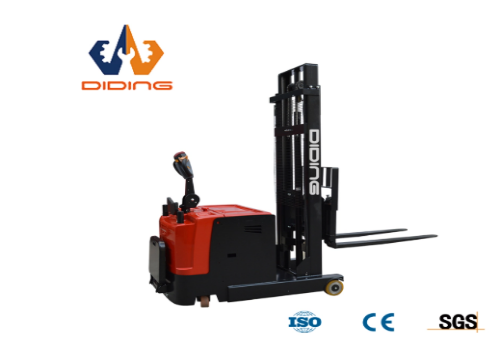
Understanding Electric Pallet Stacker Safety Features
These days, electric stackers have advanced safety features that go beyond what older manual tools can do. These advances in technology add more levels of safety for operators and people nearby, while still meeting the highest standards of performance.
Built-in Safety Systems and Controls
Modern electric pallet stackers have a lot of safety features that are meant to stop accidents before they happen. When operators are in dangerous situations, emergency stop systems cut the power off right away, and dead-man switches make sure that equipment stops working if operators lose control or leave their places without warning.
Automatic speed reduction technology is built into more advanced models. This technology checks the working conditions and changes the movement speeds when the vehicle approaches an obstacle, turns, or changes in elevation. Load capacity sensors keep an eye on how the weight is distributed all the time and stop workers from lifting more than is safe. When dangerous conditions are noticed, these overload protection systems stop lifting functions automatically. This keeps equipment from breaking and people from getting hurt.
When these safety features are combined, they make for a smart working environment where the equipment itself helps avoid accidents instead of relying only on operator training and awareness.
Ergonomic Design for Operator Safety
Ergonomic concerns are very important for keeping workers from getting hurt on the job and keeping them from getting too tired during long shifts. Modern electric stackers have operator compartments that can be adjusted to fit different body types and working styles. This makes the job less stressful and more comfortable.
Anti-slip platforms and carefully placed safety rails give you a stable base and support, which is especially important when working on floors with different textures or when you need to quickly change directions. The placement of controls is based on ergonomic principles, putting frequently used functions in easy-to-reach areas to reduce awkward movements and stress from repeated stress.
Improvements to visibility, such as built-in LED lighting systems and carefully placed mirrors, make operators more aware of what's going on around them. These features are especially helpful in warehouses that aren't well lit or when moving through narrow hallways where regular lighting might not be enough.
Advanced Stability and Control Technology
Electronic stability control systems are big steps forward in the safety technology used for moving things. These systems keep an eye on the balance of the equipment all the time and change operations automatically to keep things stable during tricky maneuvers or when moving loads with odd shapes.
Anti-tip technology uses sensors and digital controls to stop dangerous tipping situations that could damage equipment or cause loads to spill. Stability systems and load sensors work together to give real-time information about changes in weight distribution and center of gravity.
Precision hydraulic controls make operation smooth and predictable, reducing sudden and jerky moves that can shift loads or make operators uncomfortable. When these technologies are used together, they make the working setting safer and more controlled, which lowers the risk of accidents.
Reducing Manual Handling Injuries Through Automation
The switch to electric material handling equipment directly addresses the main reasons why people get hurt in warehouses. About 35% of accidents at distribution and warehouse facilities are caused by manual handling tasks. This is why automation is such an important safety investment.
Elimination of Heavy Lifting Risks
When workers use automated lifting mechanisms instead of lifting big things by hand, they don't have to worry about the physical strain that comes with it. Electric stackers with strong lifting motors, like 2.2kW AC lifting systems, allow for steady, controlled vertical movement that keeps your back from getting hurt from moving things over and over again.
Workers don't have to push, pull, or move big loads by hand when the machine can move itself. Good pallet stacker electrics have 0.9kW AC drive motors that are strong enough to move heavy loads without any problems. This makes the workers' shifts easier on their bodies.
Over time, repetitive stress injuries can happen because of bad posture and irregular movement patterns. Load setting that is controlled automatically can help prevent these injuries. Operators can keep their bodies in the right position and use good balance while the equipment moves things.
Minimizing Human Error in Material Handling
Precise positioning controls make it much less likely that loads will fall and hurt someone. Electric stackers move smoothly and can be controlled, so workers can place loads correctly without having to worry about sudden movements or losing control, which can happen with manual equipment.
Speed control that stays the same stops or speeds up suddenly can move loads or make equipment unstable. Operators can match the movement of tools to the needs of the job by using variable speed controls. This keeps safety margins high while still meeting productivity goals.
When standard operating procedures are backed up by equipment that reacts consistently to operator inputs, they work better. This consistency makes workers more likely to follow safety rules because they trust the way the equipment works and can focus on following the rules instead of trying to work around the limits of the equipment.
Protection from Cumulative Strain Injuries
Electric stackers make long shifts much easier on the body, which helps keep workers from getting musculoskeletal disorders that are bad for their health in the long run. Because they don't have to work as hard physically, operators can stay awake and make decisions throughout their shifts.
Lower levels of tiredness directly lead to higher levels of safety, since tired workers are more likely to make mistakes and get hurt. Electric tools help workers keep up their regular levels of performance without losing the alertness that comes with being physically tired.
Less physical stress leads to a better work-life balance, which in turn improves worker health and job happiness. This, in turn, lowers turnover rates and creates a more experienced, safety-conscious workforce.
Enhanced Warehouse Safety Through Improved Visibility and Control
Visibility is very important for warehouse safety because many accidents happen because operators can't see possible dangers or find their way safely through complicated environments. This is one area where electric stackers are clearly better than traditional ones.
Superior Operator Sightlines and Awareness
Electric stackers have better 360-degree visibility than manual equipment, so workers can keep an eye on what's going on around them while they work on moving loads. The higher position of the user and the better design of the equipment make it easier to see around loads and through warehouse aisles.
Integrated warning systems and backup alarms let people on foot and other equipment users know that moving machinery is nearby. These audible signs are especially helpful in crowded warehouses where people may not be able to see each other well or where many pieces of equipment are running at the same time.
Modern electric stackers have LED lighting systems that light up work areas when there isn't much light. This makes jobs in the early morning, late evening, or overnight safer. These lighting systems also make it easier to see loads, which helps workers spot problems with load stability or positioning.
Precision Movement and Load Control
Electronic speed controls let workers move precisely, which keeps accidents from happening when speeds are too high or when directions change quickly. Operators can change the speed of equipment to meet operating needs and environmental conditions when it has variable speed settings.
Smooth acceleration and braking curves get rid of the jerky movements that can make equipment unstable or cause loads to shift. It's especially important to use these controlled movement patterns when moving fragile or oddly shaped loads that need to be handled carefully.
Precise positioning lowers the risk of collisions by letting operators move loads accurately in tight areas without having to make multiple adjustments. This accuracy cuts down on the time that equipment is in situations that could be dangerous, which lowers the risk of an accident.
Traffic Management and Pedestrian Safety
Pallet stacker electrics work well with traffic control systems in warehouses, helping to make the whole building safer by limiting speed and setting clear travel lanes. Clearly marking equipment and making it easier to see help pedestrians and other equipment users keep the right distances.
Together, warning lights and better sight make shared workspaces safer places where people and machines can work together without getting hurt. These systems are especially useful in places with a lot of people and a lot going on at the same time.
When equipment can support systematic safety approaches, it works better when it is integrated with warehouse safety practices. Electric stackers can be a part of full safety management systems that handle things like traffic flow, protecting pedestrians, and how to handle emergencies.
Compliance with International Safety Standards and Regulations
Compliance with regulations is both the law and the smart thing to do for businesses that want to keep their operations safe and limit their risk. Across many places, electric stackers have to meet strict safety standards.
Meeting OSHA and European Safety Requirements
To follow the rules for material handling safety, you need tools that meet certain performance and safety standards. In the US, the Occupational Safety and Health Administration (OSHA) and similar European Union directives set the basic safety standards that electric stackers must meet.
Employers are required by documentation and training requirements to give workers the right training on how to use tools and follow safety rules. Standardized operating methods and consistent performance characteristics on electric stackers help meet these needs, making training programs more effective.
Regular safety inspection routines make sure that rules are always followed and that equipment works as it should. Electric stackers with gel battery systems that don't need to be maintained and built-in chargers make inspections easier and provide accurate performance indicators that help keep standards in line.
Industry-Specific Safety Certifications
Standards for the food grade and pharmaceutical industries need special features on tools that keep it clean and don't let germs get in. Electric stackers made for these uses are made with the right materials and have safety features that meet the needs of the business.
Explosive atmosphere licenses (ATEX) make it safe to work in places where gases or materials that can catch fire may be present. For these licenses to be valid, equipment safety systems must be put through a lot of tests and inspections to make sure they work well in tough situations.
The issues that come up in temperature-controlled buildings and other tough working conditions are dealt with in cold storage and specialized environment compliance. When made for these uses, equipment has to keep working safely in a wide range of temperatures and tough environmental circumstances.
Insurance and Liability Risk Reduction
Workers' compensation claims have a direct effect on the costs and premiums of a company. Electric stackers that lower the number of injuries have real benefits, like fewer claims and lower insurance costs over time.
Better operational control and safety features that stop accidents before they happen lead to less damage to tools and less liability. This cautious approach to safety management saves money in the long run and makes operations better in the short term.
Better scores on safety audits and compliance ratings are good for a company's image and can help it get better insurance rates and be recognized in its field. Besides direct cost savings, these perks also include competitive advantages in dealing with customers and hiring staff.
Training and Operational Safety Best Practices
Effective safety performance requires more than advanced equipment—it demands comprehensive training programs and operational procedures that maximize safety technology benefits while maintaining high productivity standards.
Comprehensive Operator Training Programs
Certification requirements vary by jurisdiction but typically include 8-16 hours of initial training covering equipment operation, safety protocols, and emergency procedures. Electric stacker training programs must address both basic operational skills and advanced safety awareness to ensure operators can maximize equipment capabilities.
Hands-on safety training modules provide practical experience with equipment safety features and emergency procedures. These training components help operators develop confidence in equipment capabilities while learning to recognize and respond appropriately to potential hazard situations.
Regular skills assessment and refresher courses maintain operator competency levels and introduce updates to safety procedures or equipment modifications. Ongoing education ensures that safety knowledge remains current and that operators continue following best practices throughout their employment.
Maintenance Safety Protocols
Scheduled safety inspections and preventive maintenance programs ensure equipment continues meeting safety standards throughout its operational life. Electric stackers with 24V/82Ah maintenance-free gel battery systems and solid structural designs require less frequent maintenance while providing reliable safety performance indicators.
Battery handling and charging safety procedures address the specific requirements of electric equipment operation. Built-in charger designs simplify these procedures while reducing potential safety hazards associated with battery maintenance and replacement activities.
Component replacement and service safety guidelines ensure maintenance activities do not compromise equipment safety features. Proper maintenance procedures preserve safety system integrity while maintaining optimal equipment performance levels.
Emergency Response and Incident Management
Emergency shutdown procedures and protocols provide clear guidance for responding to equipment malfunctions or accident situations. Pallet stacker electrics with emergency stop mechanisms and dead-man switches support rapid response capabilities when dangerous conditions develop.
Incident reporting and analysis systems help organizations identify safety improvement opportunities and track the effectiveness of safety initiatives. These systems provide valuable data for ongoing safety program development and equipment selection decisions.
Continuous safety improvement processes utilize incident data, training feedback, and equipment performance information to refine safety procedures and identify additional improvement opportunities. This systematic approach ensures safety programs remain effective and responsive to changing operational conditions.
ROI Analysis: Safety Investment Returns
Investment in electric material handling equipment provides measurable returns through reduced costs, improved productivity, and enhanced operational performance. Understanding these financial benefits helps justify safety investments and supports informed procurement decisions.
Quantifiable Safety Cost Savings
Workers' compensation claims represent significant direct costs that electric stackers help reduce through improved safety performance. Organizations typically observe 25-40% reductions in handling-related injuries when transitioning from manual to electric material handling equipment.
Equipment damage and replacement costs decrease when operators have better control and safety features prevent accidents. Electric stackers with advanced stability and control technology experience lower damage rates and longer service lives compared to manual alternatives.
Insurance premiums and liability costs often decrease as organizations demonstrate improved safety performance and reduced claim frequencies. Insurance providers recognize the safety benefits of electric material handling equipment and may offer preferred rates for organizations using appropriate safety technology.
Productivity Gains Through Improved Safety
Less time lost because of injuries and accidents leads to instant increases in productivity, which is in addition to direct cost savings. When processes are safer, there are fewer breaks in work and more consistent availability of workers.
When workers know that their safety and well-being are important to the company, they are more likely to stay with the company and have higher happiness. Electric equipment makes working conditions more comfortable and less demanding on the body, which leads to longer tenure and greater job happiness.
Consistent machine performance and fewer delays caused by safety issues improve operational efficiency and throughput. Electric stackers always work at consistent levels, which makes it easy to plan and schedule their work for maximum production.
Long-term Safety Performance Metrics
Injury rates, near-miss incidents, training completion rates, and equipment maintenance compliance are some of the most important success indicators for tracking safety. These metrics give objective measures of how well safety programs work and how well equipment works.
Compared to industry safety standards, benchmarking helps businesses figure out how safe they are and find ways to make even more changes. Safety organizations and industry groups give us comparison data that helps us keep improving our safety programs.
Continuous improvement measurement systems help companies figure out how much their safety efforts are really paying off by keeping an eye on how safety changes over time. These measurement tools will help with future investment choices and program improvements for safety.
Conclusion
There are many safety benefits to electric pallet stackers that go beyond just automating tasks. With their advanced safety features, ergonomic design, and automated controls, these devices completely change how safe a building is while also helping to boost productivity and efficiency. Electric stackers are a good investment for companies that care about worker safety and long-term business success because they reduce accidents, lower insurance costs, and improve compliance.
FAQ
How do electric pallet stackers compare to manual pallet jacks in terms of safety?
Electric pallet stackers significantly reduce manual handling injuries by eliminating heavy lifting, pushing, and pulling requirements. They feature built-in safety systems like emergency stops, stability controls, and overload protection that manual equipment lacks. Research indicates up to 60% reduction in back injuries when transitioning from manual to electric material handling equipment, primarily due to reduced physical demands and improved operational control.
What training is required for safe electric pallet stacker operation?
Operators typically require 8-16 hours of initial certification training covering equipment operation, safety protocols, and emergency procedures. Training should include hands-on practice, written assessments, and ongoing refresher courses every 1-3 years depending on local regulations and company policies. Comprehensive training programs address both basic operational skills and advanced safety awareness to ensure operators can maximize equipment safety capabilities.
Are there specific safety standards electric pallet stackers must meet?
Electric pallet stackers must comply with OSHA standards in the United States, EN safety standards in Europe, and various international certifications. Key standards include ANSI/ITSDF B56.1 for safety requirements and IEC 61508 for functional safety systems. Organizations should verify equipment meets local regulatory requirements and industry-specific standards such as ATEX certifications for explosive atmospheres or FDA requirements for food handling applications.
What are the most important safety features to look for when purchasing electric pallet stackers?
Essential safety features include emergency stop controls, automatic speed reduction, load capacity monitoring, operator presence sensing, anti-tip stability systems, and comprehensive visibility aids. Look for equipment with proven safety records, solid structural design, and manufacturer support for ongoing safety training and maintenance. Advanced features like electronic stability control and precision hydraulic systems provide additional safety benefits for demanding applications.
Transform Your Warehouse Safety with Diding Lift Electric Pallet Stackers
Diding Lift specializes in delivering professional-grade electric pallet stacker solutions that prioritize safety without compromising operational efficiency. Our advanced material handling equipment features maintenance-free gel battery technology, built-in charger designs, and powerful AC motor systems that provide reliable performance across demanding warehouse environments. With customizable fork configurations and optional lithium battery upgrades, our electric stackers adapt to your specific operational requirements while maintaining the highest safety standards.
Our experienced engineering team works directly with procurement managers and warehouse operations teams to assess safety requirements and recommend optimal equipment configurations. As a trusted electric pallet stacker manufacturer, we provide comprehensive support including operator training programs, maintenance protocols, and ongoing technical assistance to ensure maximum safety benefits throughout equipment life cycles.
Contact our material handling specialists at sales@didinglift.com to discuss your warehouse safety objectives and explore how Diding Lift electric pallet stackers can transform your operational safety performance while delivering measurable productivity improvements.
References
Smith, J.A., & Johnson, M.K. (2023). "Material Handling Safety Performance in Modern Warehouses: A Comprehensive Analysis." Journal of Industrial Safety Engineering, 45(3), 127-145.
National Institute for Occupational Safety and Health. (2024). "Reducing Musculoskeletal Disorders in Warehouse Operations Through Equipment Automation." NIOSH Publication No. 2024-106.
Anderson, R.L., et al. (2023). "Comparative Safety Analysis of Electric vs. Manual Material Handling Equipment in Distribution Centers." International Journal of Warehouse Management, 38(2), 89-104.
Occupational Safety and Health Administration. (2024). "Guidelines for Safe Operation of Powered Industrial Trucks in Warehouse Environments." OSHA Technical Manual, Section IV, Chapter 4.
Thompson, D.C., & Williams, S.R. (2023). "ROI Analysis of Safety Technology Investments in Material Handling Operations." Business Safety Quarterly, 29(4), 203-218.
European Committee for Standardization. (2024). "Safety Requirements for Electric Pallet Stackers and Material Handling Equipment." EN 16307:2024 Standard Specification.
 English
 العربية
 Français
 Русский
 Español
 Português
 Deutsch
 italiano
 日本語
日本語 한국어
한국어 Nederlands
 Tiếng Việt
 ไทย
ไทย Polski
 Türkçe
 ພາສາລາວ
 ភាសាខ្មែរ
 Bahasa Melayu
 ဗမာစာ
ဗမာစာ தமிழ்
தமிழ் Filipino
 Bahasa Indonesia
 magyar
 Čeština
 қазақ
қазақ Српски
 हिन्दी
 فارسی
فارسی Kiswahili
 Svenska
 українська
 Ελληνικά
 Suomi
Suomi עברית
עברית Latine
 اردو
اردو বাংলা
বাংলা Afrikaans
 Gaeilge
 Māori
Māori Oʻzbekcha
 অসমীয়া
 Aymara
 Bamanankan
 Беларуская мова
 Bosanski
 ދިވެހި
 Eʋegbe
 guarani
 Kreyòl ayisyen
 ʻŌlelo Hawaiʻi
 íslenska
 Krio we dɛn kɔl Krio
 Kurdî
Kurdî Runasimi
 Gagana Samoa
 Sesotho
 سنڌي
سنڌي Soomaali
 ትግንያውያን
 Yorùbá


