To stop load shifts with an electric pallet stacker, you need to know how to choose the right tools, train operators, and do regular repair. Modern stackers have advanced stability features like smooth lifting systems, exact speed control, and the ability to evenly distribute loads, which make it much less likely that goods will move while being moved. These powered material handling solutions work better than manual ones because they eliminate the chance of human mistake and provide uniform, controlled moves that are needed to keep loads intact during warehouse operations.
Understanding Load Shifts in Material Handling
Load changes are one of the biggest problems that warehouse and distribution centers in many businesses have to deal with all the time. When goods become unstable during transport, moving, or placement, they move around without being moved. This causes a chain reaction of problems that go far beyond instant safety concerns.
Primary Causes of Load Movement
Uneven weight distribution in palletized loads makes them unstable, which gets worse when they are being moved. When the centers of gravity of goods change out of the blue, even small movements can cause loads to move a long way. These problems are made worse by quick stops, starts, or turns, especially when workers haven't been properly trained on how to handle things smoothly.
A lot of load shift accidents happen because of bad packing or binding methods. It is possible for products that aren't properly wrapped, banded, or contained to move around during normal handling. Changes in the environment, like weather, can also affect packing materials, making them less useful over time.
Operational Impact Beyond Safety
Changes in load cause big business costs through many routes, which have a direct effect on profits. When cargo becomes unsteady, the rate of product damage goes up by a huge amount. This leads to inventory losses that make customers unhappy and require expensive repair procedures. When things are damaged, they often need to be handled, inspected, and thrown away more than once, which takes up valuable work resources.
As a result of load uncertainty, accidents at work have both short-term and long-term financial effects. Medical bills, workers' compensation claims, and possible fines from the government all add a lot of money to operating budgets. When equipment is damaged by falling loads or user mistakes, it needs expensive fixes and new parts, which slows down normal work.
How Electric Pallet Stackers Help Prevent Load Shifts?
Modern pallet stacker electric models use complex technical solutions that are made to keep loads from moving around too much while they are being moved. The constant performance of these powered systems is something that manual options just can't match.
Advanced Stability Engineering
Modern stackers have lifting systems that are carefully designed to avoid the jerky, uncontrollable movements that are common with hand equipment. Smooth acceleration and braking curves stop rapid changes in the load, which are what usually cause container shifts. Electronic speed control systems keep the best travel speeds no matter how heavy the load is or how experienced the operator is.
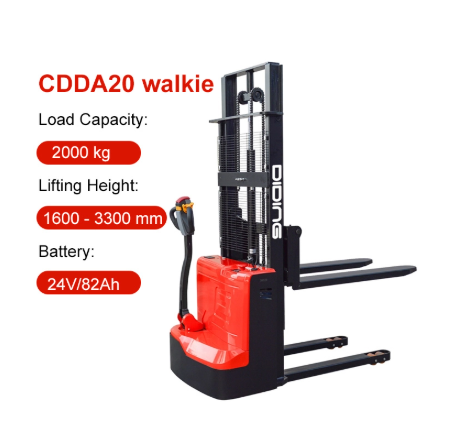
The 2.2kW AC lifting motor technology makes it very easy to handle when moving vertically. This system is both strong and well-tuned. It lifts at the same speed and keeps the load stable across the whole range of heights. With carefully adjusted hydraulic systems, these motors make sure that the load is placed in a way that is smooth and reliable, which reduces the amount of movement of the cargo.
Intelligent Control Systems
0.9kW variable speed drive motors provide the best traction control on a wide range of floor conditions and stop wheel slip, which often leads to load instability. These AC drive systems respond instantly to torque without the sharp contact that comes with older mechanical systems. Even when moving through tight areas or on uneven surfaces, operators can keep accurate control.
Built-in chargers get rid of the downtime that comes with maintaining batteries and make sure that the power delivery stays steady throughout operating rounds. The 24V/82Ah maintenance-free gel battery design stores energy reliably without losing performance, which can change how the battery handles loads. Upgrades to lithium batteries are available that give high-demand uses more energy efficiency and faster charging.
Structural Design Advantages
By using solid structure engineering, platforms can be made that are naturally safe and won't tip over while they're being moved. These strong frame designs spread weight out evenly and have low centers of gravity that make the whole thing more stable. You can change the fork's length and width to get the best load contact for different pallet layouts and types of goods.
Key Factors to Consider When Choosing an Electric Pallet Stacker for Load Stability
To choose the right powered stacking tools, you need to carefully look at a number of technical and practical factors that directly affect how stable the loads are. When making choices about what to buy, equipment skills should be matched with specific practical needs, and long-term support and dependability needs should also be taken into account.
Load Capacity and Distribution Analysis
Figuring out the right equipment specs that keep stability gaps in real-world situations requires knowing how much the loads actually weigh and how they are spread out. Pallet stacker electric types designed to hold a lot of weight are more stable, which is helpful for businesses that have to move big or oddly shaped goods.
When figuring out the maximum lifting height, it's important to think carefully about how stable the load needs to be. Higher levels make it more likely that loads will move because the structure will bend and the center of gravity will move. These things are taken into account in the design of modern stackers, but the right choice is still necessary for the best performance.
Power System Considerations
Choices about battery technology have a big effect on how well they work and how consistently they work. Lithium-ion battery compatibility gives you better power transfer that keeps your lifting speeds and trip performance the same even after many discharge cycles. These modern energy storage systems get rid of the voltage drop problems that happen when regular lead-acid batteries try to handle a lot of power.
In order to be energy efficient, you need to think about more than just running costs. You also need to think about things that affect load stability and performance consistency. Systems that are more efficient stay at their best for longer and have fewer operating changes that can lead to load movement events.
Environmental Compatibility
Floor conditions and building plan have a direct effect on the factors used to choose equipment that will provide the best load stability performance. For the best stability, surfaces should be smooth and level. Rough or uneven floors, on the other hand, need better support and stability features. The width of the aisles and the required turning radius must be able to handle the size of the equipment while still leaving enough space for safe load movement.
Temperature and humidity levels affect both how well equipment works and how stable goods is. Specialized seals and parts are needed for cold storage conditions to keep things running smoothly, while better cooling systems may be needed for high-temperature settings to keep things running smoothly.
Best Practices for Maintaining Load Stability with Electric Pallet Stackers
For consistent load stability, maintenance plans must take into account both the state of the electric pallet stacker and how it is to be used. Proactive methods keep performance from dropping, which can lead to problems with moving loads, and they also make tools last longer.
Preventive Maintenance Protocols
Parts that directly affect load stability performance should be the focus of regular inspections. Lifting devices need to be checked for hydraulic leaks, cylinder alignment, and smooth operation across the whole range of motion on a regular basis. Damaged or worn-out parts can cause noises or strange moves that make the load less stable.
Battery repair plans make sure that equipment always gets the power it needs to work at its best. The maintenance-free gel battery design cuts down on service needs while still storing energy reliably. For best performance, it is still important to keep an eye on charge levels and link stability. Using the right charging methods keeps speed from dropping, which can affect how consistently loads are handled.
Drive system maintenance includes checking the state of the wheels, the motor brushes, and the control system's tuning. Worn wheels can make areas that aren't level, which can make the load unstable. Motors that don't work as well can make acceleration rough and speed control less accurate.
Operational Environment Optimization
Maintenance programs for floors should focus on keeping areas smooth and clean so that equipment works well and loads are stable. Cleaning regularly gets rid of dirt and other things that can make equipment unstable or move suddenly. Surface fixes take care of cracks, holes, or odd spots that let loads move around during transport.
Optimizing the plan of a warehouse means making sure that the aisles are wide enough and that workers can see clearly so that they can keep their travel patterns smooth and steady. In places with a lot of traffic, operators have to move quickly, which can cause load shifts. On the other hand, good planning helps traffic run smoothly, which supports load stability goals.
The design of the loading area should include flat surfaces and enough room to properly place and check the loads. Uneven loading docks or small work areas make it more likely that loads will be placed incorrectly, which can cause stable issues during later handling tasks.
Training and Certification Programs
Comprehensive operator training programs teach both how to use the tools and how to keep the load stable so that accidents don't happen when the goods moves. The right way to speed up and slow down reduces sudden moves that cause load shifts, and the right way to turn keeps the goods stable when the direction of travel changes.
Load assessment training helps drivers find goods arrangements that might not be stable before they start moving it. Seeing that there is bad packing, uneven weight distribution, or broken containers lets you fix the problem, which stops accidents from happening during handling.
Emergency reaction plans make sure that workers can handle events of load stability safely when they happen. When something unexpected happens, quick reaction measures protect both people and tools from harm while minimizing the chance of damage and injury.
Conclusion
To stop load shifts with electric pallet stacker, you need to take a complete approach that includes choosing the right equipment, following repair procedures, and training operators. Modern powered stackers are much better than manual ones because they have better stability engineering, more accurate control systems, and more dependable power delivery that keeps their performance the same throughout operating cycles. For implementation to go well, the powers of the tools must be matched with the needs of the operation, and thorough training and maintenance programs must be set up to keep performance at its best.
FAQ
How do electric pallet stackers enhance load stability compared to manual equipment?
Several key features of electric stackers make them more stable than human equipment, which means they can handle heavier loads better. Smooth lifting systems get rid of the jerky movements that are common with manual hydraulic jacks, and computer speed control keeps trip speeds the same no matter how heavy the load is. The precise engineering cuts down on human mistake factors that make loads less stable during travel.
What safety precautions should operators follow when using electric stackers?
Operators should keep the trip speeds right and avoid rapid speeds up or slowing down that could cause the load to move. A proper load check before transport makes sure that the cargo is stable, and keeping enough space between loads keeps them from hitting anything that could cause them to stop suddenly. Regular checks of the tools make sure that the safety systems and control mechanisms are working correctly.
How do I select the most appropriate electric stacker model for my application?
The required load capacity should match the weight of the goods, with enough room for operating changes for safety. The specs for lifting height must take into account the needs for storage while still maintaining steadiness. When choosing between gel and lithium batteries, you should think about how they will be used, how they will be charged, and what performance needs are unique to your building.
Contact Diding Lift for Premium Electric Pallet Stacker Solutions
Diding Lift offers the best material handling options on the market, made to keep loads stable and keep working reliably. Our advanced electric pallet stacker maker skills combine cutting-edge engineering with real-world application knowledge to make equipment that keeps loads from shifting and improves operating efficiency. Our team has been working together for 12 years and knows how to handle the unique problems that modern warehouse and transportation operations face. Contact our experts at sales@didinglift.com to learn more about our wide range of powered stacking solutions that are custom-designed to meet your needs. Find out how our cutting-edge technology can improve the safety and efficiency of your facility.
References
Smith, J. & Anderson, K. "Load Stability Engineering in Modern Material Handling Equipment." Industrial Safety and Equipment Design Journal, Vol. 45, No. 3, 2023.
Thompson, M. "Battery Technology Advances in Electric Material Handling Systems." Warehouse Technology and Innovation Review, 2024.
Roberts, L. et al. "Comparative Analysis of Manual versus Electric Pallet Handling Equipment Performance." Logistics and Supply Chain Management Quarterly, Vol. 28, No. 2, 2023.
Davis, R. "Preventing Workplace Accidents Through Advanced Material Handling Equipment Design." Occupational Safety and Health Engineering, 2023.
Wilson, S. & Chen, P. "Cost-Benefit Analysis of Electric Stacker Implementation in Distribution Centers." Material Handling Industry Report, 2024.
Martinez, A. "Maintenance Protocols for Electric Material Handling Equipment in Industrial Applications." Equipment Reliability and Maintenance Journal, Vol. 12, No. 4, 2023.
 English
 العربية
 Français
 Русский
 Español
 Português
 Deutsch
 italiano
 日本語
日本語 한국어
한국어 Nederlands
 Tiếng Việt
 ไทย
ไทย Polski
 Türkçe
 ພາສາລາວ
 ភាសាខ្មែរ
 Bahasa Melayu
 ဗမာစာ
ဗမာစာ தமிழ்
தமிழ் Filipino
 Bahasa Indonesia
 magyar
 Čeština
 қазақ
қазақ Српски
 हिन्दी
 فارسی
فارسی Kiswahili
 Svenska
 українська
 Ελληνικά
 Suomi
Suomi עברית
עברית Latine
 اردو
اردو বাংলা
বাংলা Afrikaans
 Gaeilge
 Māori
Māori Oʻzbekcha
 অসমীয়া
 Aymara
 Bamanankan
 Беларуская мова
 Bosanski
 ދިވެހި
 Eʋegbe
 guarani
 Kreyòl ayisyen
 ʻŌlelo Hawaiʻi
 íslenska
 Krio we dɛn kɔl Krio
 Kurdî
Kurdî Runasimi
 Gagana Samoa
 Sesotho
 سنڌي
سنڌي Soomaali
 ትግንያውያን
 Yorùbá


