Evaluating electric pallet stacker suppliers requires a comprehensive assessment of technical capabilities, service quality, and long-term partnership potential. The right supplier should offer proven expertise in material handling equipment, demonstrate reliability through industry certifications, and provide transparent specifications for their products. Successful procurement depends on matching supplier capabilities with your operational requirements, including lifting capacity, battery performance, and after-sales support. By examining product portfolios, service networks, and customer testimonials, businesses can identify suppliers who deliver consistent value and maintain equipment performance throughout the operational lifecycle.
Understanding Your Procurement Needs and Challenges
Figuring out exactly what your warehouse needs is the first step in finding the right source for your material handling needs. This thorough evaluation makes sure that your investment fits with the needs of the business and gives you the best return on your money.
Assessing Your Operational Requirements
The operating setting has a big impact on the choice of tools and supplier. Warehouses that work in cold storage facilities need special tools that can work better with batteries when it's cold, and small forms that are easy to move around are needed for tight areas. Different industries have very different needs when it comes to load capacity. For example, e-commerce delivery centers tend to handle lighter loads more often, while manufacturing plants may need heavy-duty options for big parts.
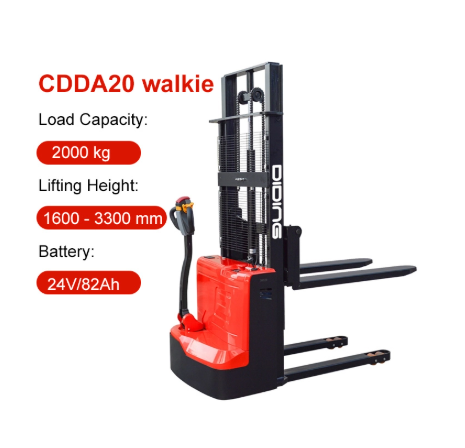
Specifications for batteries are an important thing to think about when running a modern building. Modern sellers offer a range of power options, such as 24V/82Ah maintenance-free gel batteries that come with chargers built in for easy use. These systems work reliably and don't require a lot of upkeep, which makes them perfect for busy distribution centers where downtime hurts productivity.
Identifying Common Procurement Challenges
Buying material handling tools comes with its own set of problems that need to be carefully navigated. It can be hard to compare suppliers when technical specs aren't full, which makes it hard to figure out how well they really perform. During implementation, costs that weren't clearly spelled out in the original plans often come up. These can include installation fees, training needs, and ongoing maintenance costs.
Another problem for buying teams is telling the difference between the different kinds of tools. Pallet stacker electric models are clearly better than manual options and regular forklifts, especially when exact placement and low lifting heights are needed. Understanding these differences helps buyers better explain their needs and avoid costly problems when operating needs don't match up with what the tools can do.
Safety protocol compliance and the availability of repair help are important risk factors that need to be carefully looked at. To make sure operations keep running smoothly and workers are safe, suppliers should offer thorough safety training programs and keep an inventory of parts that are easy to get.
Key Evaluation Criteria for Electric Pallet Stacker Suppliers
For a supplier to be evaluated, a lot of different things that affect long-term operations and machine performance must be carefully looked at. With these criteria, buying teams can make smart choices based on realistic evaluations instead of empty marketing claims.
Product Range and Technical Capabilities
A supplier's product line shows how committed they are to meeting the wants of a wide range of customers and keeping up with changes in the industry. Leading providers have wide ranges that can be used for everything from light-duty warehouse tasks to heavy-duty industrial tasks. These ranges can be customized to meet the needs of each business.
When evaluating, technical details should be looked over very carefully. Good providers give a lot of information about power setups, drive motors, and lifting systems. One example is equipment with 0.9kW AC drive motors and 2.2kW AC lifting motors, which gives the best mix of mobility and lifting power. Fork length and width choices that can be changed show that the provider is willing to work with different operational needs.
Improvements in battery technology are a big part of what sets one provider apart from another. Manufacturers who are on the cutting edge offer extra lithium battery improvements and LI-ION battery compatibility, giving customers choices that will work in the future as technology changes. This adaptability makes sure that investments in tools can still be used as business needs change over time.
Service Quality and Support Infrastructure
Quality of service after the sale often shows how valuable a supplier relationship is after the initial buy of tools. Comprehensive service networks with local technicians on hand keep downtime to a minimum and make sure that operating problems are fixed quickly. Suppliers should maintain adequate parts inventories and offer predictable response times for service calls.
Equipment longevity and working safety are greatly improved by the training programs offered by providers. Good providers give their operators full training that includes safe ways to use the equipment, regular upkeep tasks, and ways to fix problems. These programs lower operating risks and get the most out of tools for as long as it lasts.
Service level agreements and warranty policies show how much a company believes in their goods and wants their customers to succeed. Clear guarantee terms that spell out coverage periods and what the warranty doesn't cover help buyers figure out how much the whole thing will cost and plan their upkeep budgets accordingly.
Comparing Electric Pallet Stacker Suppliers: A Strategic Approach
When comparing strategic suppliers, you need to do more than just comparing the features of each one. You also need to look at how well each supplier fits with your business's working needs and goals.
Performance-Based Evaluation Methods
Objectively comparing suppliers starts with a close look at the features, prices, and services of each product next to each other. This study should look at both technical specs and practical factors like how easy it is to use, how much upkeep it needs, and how well it works with other warehouse systems.
Because of the specific needs of operations, suppliers' skills need to be carefully evaluated. For cold storage, you need equipment that has been tested and proven to work in low temperatures. For narrow aisle operations, you need equipment with exact measurements and features that make it easier to move. Pallet stacker electric models with strong frames and high stable scores work better in tough situations where keeping loads safe is very important.
How well providers understand what customers want and offer ongoing help is shown by how responsive their communication is and how good their consultations are. When suppliers offer customized consultations, it shows that they want to find the best answers instead of just selling standard goods.
Customization and Flexibility Assessment
The ability to customize equipment shows how skilled the seller is in engineering and how flexible they are in making. Good providers give you choices for changing the fork, adding special attachments, and making changes to the surroundings that meet your specific operating needs. This ability to be customized is especially useful in specific fields where dealing needs aren't always standard.
Delivery schedules and help with implementation affect the success of a project and the continuation of operations. As a safety measure, suppliers should give reasonable shipping times and plan for possible delays. Implementation help, which includes advice on how to prepare the site and control of the installation, makes sure that the new equipment fits in seamlessly with the current operations.
The quality of after-sales service is an important long-term factor that affects the total cost of ownership and the stability of operations. Suppliers with strong service networks and preventative maintenance programs help customers get the most out of their tools while avoiding costly repairs that come up out of the blue.
Risk Management and Compliance Considerations
Risk management and compliance checks that work well protect purchase investments and make sure that equipment is used safely and reliably throughout its service lifecycle.
Safety Standards and Certification Verification
Suppliers who follow safety standards and industry certifications protect businesses from legal risks and make sure that equipment meets safety standards in the workplace. As part of the verification process, manufacturing certificates, test records, and compliance with local laws and rules should all be looked at.
Safety training requirements are an important part of buying tools responsibly. Suppliers should give full training programs that cover how to properly operate equipment, spot hazards, and handle emergencies. Accidents at work happen less often because of these programs, which also make sure that safety rules are followed.
Best practices for operations help keep workers safe and tools lasting longer. Good providers give clients full working manuals, repair schedules, and troubleshooting guides that help them keep their businesses safe and running smoothly while also keeping the value of their equipment over time.
Risk Mitigation Strategies
An study of warranty coverage helps find possible holes that could lead to unexpected costs while the equipment is being used. A full warranty should cover all the important parts, cover them for a fair amount of time, and make it clear how to get guarantee service.
The supply of spare parts is a major risk factor that impacts the ability to keep operations going and the cost of upkeep. Suppliers should keep enough common wear items in stock and ensure that parts will be available for a fair amount of time after the equipment is bought. This access makes sure that both planned and unplanned fixes can be done quickly and without a lot of downtime.
Assessing a supplier's dependability means looking at their financial health, name in the industry, and track record with customers like yours. This review helps figure out if a provider will be around in the long term and makes sure that service and guarantee promises will be kept throughout the lifecycle of the equipment.
Making the Purchase Decision and Building Long-Term Supplier Relationships
The purchase decision phase is the end of a careful evaluation process and gives you the chance to build long-term relationships that will be helpful even after you buy the electric pallet stackers.
Negotiation and Contract Finalization
When negotiating competitive prices, you shouldn't just look at the initial buy price. You should also look at the total cost of ownership. This all-around method includes trade-in values, financing choices, warranty extensions, and maintenance packages that all have an impact on the long-term financial success. Flexible financing options from suppliers are often a better total deal for companies that are watching their budgets.
Setting up a service-level agreement sets clear goals for providers and protects customers' interests by setting measurable performance standards. These contracts should include promises about reaction times, pledges that parts will be available, and performance measures that make it possible to evaluate the supplier's work over time in an objective way.
Value-added services like training for operators, preventative repair programs, and equipment tracking systems make the connection with the provider better and improve the results of operations. These services show that the seller cares about the success of the customer and often offer better long-term value than just fighting on price.
Partnership Development and Optimization
When you work with the same source for a long time, you can keep optimizing your fleet and making your operations better. Experienced suppliers can give customers useful information about best practices in the industry, new technologies, and ways to make processes more efficient, which can help their businesses in ways that go beyond just providing tools.
Working together in relationships makes it easier to react to changing business needs and new technology. When suppliers keep in touch with customers on a regular basis, they can give customers quick advice on how to improve operations, get new tools, and stay ahead of the competition in markets that are always changing.
Building smart relationships with suppliers helps material handling operations stay reliable and come up with new ideas all the time. As operations grow, technology changes, and competition heats up, these connections become even more important. When it comes to electric pallet stacker providers, those who are committed to a long-term relationship often offer better help and new ideas than transactional vendors.
Conclusion
When looking for warehouse equipment providers, it's important to carefully consider their professional skills, customer service, and the chance of forming a long-term relationship. For procurement to go well, operational needs must be matched with seller strengths, and overall ownership costs and risk factors must be taken into account. Good sellers show how valuable they are by offering a wide range of products, having strong service networks, and wanting their customers to succeed. By focusing on these basic factors and forming partnerships, companies can find dependable material handling solutions that help them achieve operational success and gain a competitive edge in tough industrial settings.
FAQ
What factors most significantly affect lifting capacity and battery life in warehouse equipment?
The main things that determine lifting ability are the motor's specs, the structure's design, and the way the loads are distributed. Most of the time, equipment with strong structural designs and 2.2kW AC lifting motors can handle heavier loads more consistently. Power control methods, how well batteries are charged, and how they are used can all affect how long a battery lasts. Gel batteries that don't need to be maintained and have chargers built in often work better and last longer than standard battery systems.
How can procurement teams verify supplier credibility before making purchase decisions?
Checking a supplier's trustworthiness means looking at their industry certifications, customer references, and signs of their financial security. Ask for proof of safety certifications, quality control systems, and following the rules for your business. Talk to people who already work in similar fields to find out what they think about how well the equipment works and how good the service is. Check the supplier's longevity, market position, and track record with similar projects to see how reliable and long-lasting they are.
What maintenance services are essential for safe, efficient stacker operation?
Regular testing and replacement of the batteries, review of the hydraulic system, and verification of the safety system are all important upkeep services. As part of preventive maintenance, the drive system should be oiled, the electrical connections should be checked, and worn parts should be replaced. Updates to operator training help find possible problems before they cause equipment failure or safety accidents and make sure that safe operating procedures are followed.
Partner with Diding Lift for Your Material Handling Solutions
Diding Lift uses its 12 years of experience in the field and cutting-edge tech to make reliable electric pallet stacker solutions for warehouses, factories, and delivery centers in a wide range of industries. Our wide range of products includes the latest technology, such as 24V/82Ah maintenance-free gel batteries, strong AC drive systems, and flexible designs that can be changed to meet specific working needs.
We know that choosing the right supplier for material handling equipment is important for long-term business success. That's why we offer clear technical specs, thorough training programs, and quick help after the sale. Our engineering team works closely with customers to make sure that the best combinations of tools are used to get the most work done safely and efficiently in harsh industrial settings.
Are you ready to find out how our experience as an electric pallet stacker maker can help your business? Get in touch with our sales team at sales@didinglift.com to talk about your material handling needs and find unique solutions that will last.
References
Industrial Material Handling Equipment Selection Guidelines. National Institute for Occupational Safety and Health, 2023.
Battery Technology Advancement in Electric Industrial Vehicles. Journal of Industrial Engineering, Vol. 45, 2023.
Warehouse Safety Standards and Equipment Compliance Requirements. Occupational Safety and Health Administration, 2024.
Total Cost of Ownership Analysis for Material Handling Equipment. Supply Chain Management Review, 2023.
Supplier Evaluation Best Practices in Industrial Procurement. International Journal of Purchasing and Supply Management, 2024.
Electric vs. Manual Material Handling Equipment: Performance Comparison Study. Materials Handling Institute Research Division, 2023.
 English
 العربية
 Français
 Русский
 Español
 Português
 Deutsch
 italiano
 日本語
日本語 한국어
한국어 Nederlands
 Tiếng Việt
 ไทย
ไทย Polski
 Türkçe
 ພາສາລາວ
 ភាសាខ្មែរ
 Bahasa Melayu
 ဗမာစာ
ဗမာစာ தமிழ்
தமிழ் Filipino
 Bahasa Indonesia
 magyar
 Čeština
 қазақ
қазақ Српски
 हिन्दी
 فارسی
فارسی Kiswahili
 Svenska
 українська
 Ελληνικά
 Suomi
Suomi עברית
עברית Latine
 اردو
اردو বাংলা
বাংলা Afrikaans
 Gaeilge
 Māori
Māori Oʻzbekcha
 অসমীয়া
 Aymara
 Bamanankan
 Беларуская мова
 Bosanski
 ދިވެހި
 Eʋegbe
 guarani
 Kreyòl ayisyen
 ʻŌlelo Hawaiʻi
 íslenska
 Krio we dɛn kɔl Krio
 Kurdî
Kurdî Runasimi
 Gagana Samoa
 Sesotho
 سنڌي
سنڌي Soomaali
 ትግንያውያን
 Yorùbá


