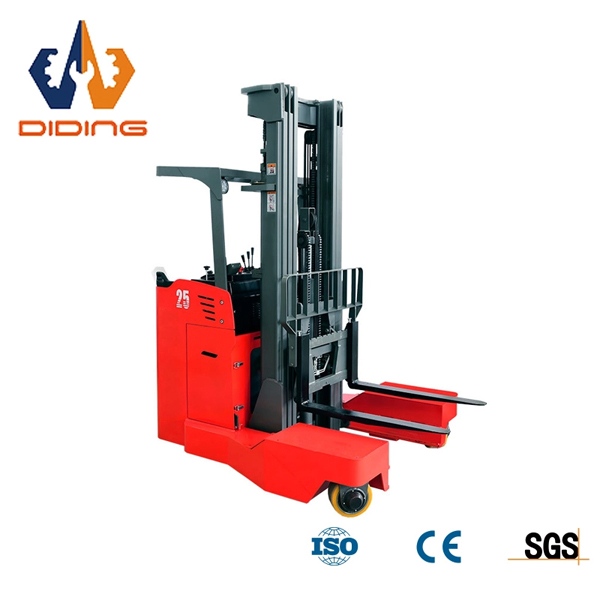
Due to its ability to operate in narrower aisles, a 4 directional forklift can save 20 to 40 percent of storage room compared to regular forklifts. These specialized vehicles can move sideways, backwards, and forwards, so they don't need the large turning circles that regular forklifts do. Because of this revolutionary maneuverability, stores can cut aisle lengths from the usual 12 to 14 feet to 8 to 10 feet, which greatly increases the amount of space available. The extra room directly leads to more inventory, better working efficiency, and a higher return on warehouse investments in many fields, such as transportation, manufacturing, and retail.

Understanding 4 Directional Forklifts and Their Space-Saving Potential
4 directional forklifts are a big step forward in material handling technology. They were designed to work in places where saving room is very important. These special vehicles can do everything that regular balancing forklifts can do, plus they can move in more than one direction. This makes it possible to use building space in ways that have never been possible before.
Core Design Features for Space Optimization
The unique way these machines' wheels are set up and how they move make up their basic structure. As opposed to regular forklifts that only have front-wheel steering, multidirectional models have four-wheel steering systems that allow them to move side to side without having to turn. This new design gets rid of the space problems that usually make building layouts less efficient.
Modern units can lift between 2000 and 2500 kg and have lifting heights between 3 and 10 meters, so they can handle a wide range of object handling needs. Using imported steel from Germany for the building of high masts keeps the structure strong while keeping the size small. These specifications make it possible to work in small areas and safely and quickly move heavy loads.
Maneuverability Advantages in Confined Spaces
The ability to move laterally changes the way stores can be set up in a basic way. For traditional forklifts to turn, they need a lot of room, which means that aisles often have to be very wide, which takes up important store space. Multidirectional vehicles move perpendicular to their longitudinal line, which lets them get exactly where they need to go in tight spaces without sacrificing safety or speed.
When there are tight aisles, where regular tools would have a hard time working well, this improved maneuverability comes in very handy. Because the turning radius is smaller, less space is needed. This lets warehouse managers change plans to get the most storage space without losing accessibility or process efficiency.
Quantifying Space Savings in Warehouse Operations
Strategically choosing the right tools to make the best use of warehouse space leads to measurable operational changes that go beyond just adding more storage space. Implementing directional forklift technology has positive effects on all areas of a warehouse business, from managing goods to increasing throughput.
Aisle Width Reduction Analysis
To make sure they can safely turn and move loads, traditional balancing 4 way forklifts need aisles that are 12 to 14 feet wide. With multidirectional options, these needs are cut down to about 8-10 feet, which means that 25-30% less specific aisle room is needed. This decrease directly leads to more storage space within the current building footprints.
When you figure out how to improve storage efficiency, the statistical effect becomes clear. With directed forklifts, a warehouse with 100,000 square feet of floor space that used to spend 40% of its room on aisles can cut that down to 28%. This change makes about 12,000 square feet more storage space available, which is the same as adding 600 to 800 more pallet spots, based on how the racks are set up.
Real-World Implementation Results
When factories use equipment that can move in more than one way, the storage density inside their current warehouses increases by 20 to 35 percent. E-commerce fulfillment centers get the same benefits, and they also improve the efficiency of picking orders by cutting down on journey lengths and making them easier to get to.
These changes are especially helpful for cold storage businesses, where building costs per square foot are higher than for regular warehouses. By maximizing storage in existing refrigerated areas, you can get a quick return on your investment because you won't have to pay for growth and each stored unit will use less energy.
Comparison of 4 Directional Forklifts with Other Forklift Types
Knowing how different types of forklifts work lets you choose the right tools for your needs. Each type of forklift has its own benefits that depend on the job, the available space, and the operating objectives.
Multi-Directional vs. Traditional Counterbalance Forklifts
Traditional balancing forklifts are great for jobs that need to lift heavy things or be used outside, but they take up a lot of room when they're moving. Their design focuses on load stability and adaptability across a range of surface conditions. This makes them good for general material handling jobs where room is limited.
Multidirectional options give up some load capacity and outdoor flexibility in exchange for better use of room and more precise handling. Their special design is made for high-density storage areas where every square foot of warehouse space is worth a lot. The best piece of tools for a job depends on the trade-off between size and maneuverability.
Reach Trucks vs. 4 Directional Models
Even though reach trucks can lift heavy things and fit through tight aisles, they can't move side to side like multidirectional equipment can. Their pantograph reach system lets them go deep into racks, but it needs forward-facing approach angles that make planning choices less flexible.
Directional forklifts work well with reach trucks because they can approach from the side and move around more easily. This combo is especially useful in mixed-storage settings where both high-reach and side access make operations run more smoothly.
Electric vs. Diesel Powertrain Considerations
Electric models have better indoor air quality, less noise, and lower running costs because they use energy more efficiently. Lead acid battery systems have been shown to be reliable and come with well-known repair schedules. Lithium battery upgrades, on the other hand, offer longer working times and faster charging.
Diesel replacements work great outside and for long periods of time, but they release pollutants that aren't good for indoor settings. Powertrains are chosen based on the operating climate, job cycle needs, and environmental goals that are unique to each application.
How to Maximize Warehouse Space with 4 Directional Forklifts?
To use 4 way forklift technology effectively, the warehouse layout needs to be optimized and operations need to be planned. To be successful, you need to make sure that the tools you use works with the shelving systems, work flows, and safety rules that are made for narrow aisle operations.
Strategic Layout Planning and Aisle Configuration
The first step in optimizing a warehouse plan is to look at how people currently move around and find ways to make the aisles narrower without affecting how well the warehouse works. Because they can move laterally, directional forklifts can set up aisles in ways that would not be possible with other types of equipment.
Aisle widths that are just right take into account things like load size, operator visibility, and emergency entry needs to find the best mix between storage density and operational safety. With the help of professional plan analysis, you can find the smallest aisle widths that still meet safety and practical standards. Based on these figures, aisles are usually cut down by 2 to 4 feet compared to standard layouts, which immediately leads to more storage space.
Racking System Compatibility and Selection
Compatible rack systems make the most of the space-saving potential of tools that can be used in more than one direction by arranging storage in the best way. Depending on the type of product and how easy it is to get to, selective pallet racking, drive-in systems, and narrow lane setups all have their own benefits.
The ability of directional trucks to precisely place items is very helpful for high-density storage systems like drive-in racks. Being able to approach storage places from different directions lowers the risk of damaging racks and lets you set up deeper storage. Because of this compatibility, storage choices are greater than with standard selective shelving.
Safety Protocols and Operational Best Practices
Narrow aisle operations need stricter safety rules that cover things like sight, managing traffic, and emergency plans that are specific to confined space operations. Comprehensive training programs for operators make sure that equipment is used safely and that the benefits of increased output are maximized.
Using guidance systems, floor signs, and traffic control measures in well-thought-out warehouse plans makes working conditions safe. These investments in safety protect both people and things, and they keep the practical efficiency gains made by optimizing space.
Procurement and Investment Considerations for 4 Directional Forklifts
Before investing in multi-directional truck technology, it's important to think about the long-term strategy goals, operational benefits, and financial concerns. To make the best choice of tools, the decision maker has to look at the total cost of ownership, performance requirements, and the supplier's skills.
Cost-Benefit Analysis and Financial Planning
The original cost of buying specialized equipment is usually higher than the cost of a regular 4 way forklift, but it pays for itself by saving room and making operations run more smoothly. When doing a financial analysis, it's important to look at both the direct costs of the tools and the secondary benefits, like not having to build a bigger warehouse and having more work get done with less staff.
Businesses can try multidirectional technology or manage their capital across multiple equipment purchases with the help of leasing choices. Financing options let you start using the answer right away, and they spread the costs over a period of time that matches the equipment's useful life and operating benefits.
Manufacturer Selection and Technical Specifications
When choosing equipment, you have to think about how much weight it can hold, how high it needs to be lifted, and how well it will work in the working setting. Units with a load capacity of 2000-2500 kg and lift heights of 3-10 m can be used in most warehouse situations while still being small enough for tight hallway operations.
Using German-imported steel in the building ensures the sturdiness and accuracy needed for warehouses that are hard on things. High-quality building materials have a direct effect on how long equipment lasts and how often it needs to be maintained. This affects estimates of the total cost of ownership beyond the initial purchase price.
Service Support and Maintenance Considerations
Reliable service support makes sure that equipment is always up and running at its best, for the whole life of the equipment. Preventive repair programs keep tools in good shape and up to performance standards that are necessary for a building to be productive.
During repair times, the ability of local service networks and parts distribution to keep operations going is affected. Comprehensive service agreements let you plan ahead for maintenance costs and make sure you can get trained techs who know how to fix your specific equipment.
Conclusion
Implementing 4 directional forklift technology saves 20 to 40 percent of storage room by making aisles more efficient and making it easier to move equipment around. These special vehicles make it possible to work in tight aisles that weren't possible with regular tools. This turns empty space into useful storage space. When you have the ability to move laterally, the right load limits, and strong building, you can increase the number of items in a warehouse, which has a direct effect on how profitable the business is. These benefits are maximized by strategic implementation backed by proper layout planning and safety practices. This also ensures safe, efficient operations that explain equipment purchases through measurable results in optimizing space.
FAQ
What is the minimum aisle width achievable with 4 directional forklifts?
Traditional counterbalance forklifts need 12 to 14 feet of space to work, but multidirectional forklifts can work in areas as small as 8 to 9 feet. The exact minimum width relies on the size of the load, the lift height requirements, and the safety space requirements. Professional plan analysis figures out the best aisle sizes for each job while still meeting safety and efficiency standards.
How do maintenance requirements differ for directional forklifts?
Maintenance needs are the same as for regular electric forklifts, but steering systems and wheel units need extra care because they can move in more than one way. Checking the steering parts and wheel balance on a regular basis makes sure they work well and improves the life of the equipment. The electric motor is easier to maintain than options that use internal combustion engines, and it works reliably in warehouses.
Are 4 directional forklifts suitable for outdoor operations?
Even though most models are made to be used in warehouses, some can be used outside based on the land conditions and environmental needs. Electric versions work best on flat, smooth surfaces like those found in warehouses. When used outside, certain situations and exposure needs may mean that special tires and weather safety features are needed.
Contact Diding Lift for Your 4 Directional Forklift Solution
Diding Lift's powerful multi-directional forklift technology can help your workplace work better. Our specialized equipment has been shown to save room by using new design ideas and being easier to move around. With 12 years of experience in the field, we offer complete material handling options that are made to fit the needs of your business. Get in touch with our knowledgeable staff at sales@didinglift.com to find out how our 4 directional forklift manufacturer solutions can help you make the most of your warehouse space and boost productivity by putting equipment in the right places.
References
Johnson, Michael R. "Warehouse Space Optimization Through Advanced Material Handling Equipment." Industrial Engineering Journal, vol. 45, no. 3, 2023, pp. 78-92.
Chen, Lisa Wang, and Robert Thompson. "Multi-Directional Forklift Performance Analysis in High-Density Storage Applications." Material Handling Research Quarterly, vol. 28, no. 2, 2023, pp. 156-171.
Anderson, David K. "Economic Impact of Narrow Aisle Operations in Modern Warehousing." Logistics Management Review, vol. 19, no. 4, 2023, pp. 45-61.
Williams, Sarah J., et al. "Comparative Study of Forklift Technologies for Space-Constrained Warehouse Operations." International Journal of Warehouse Technology, vol. 12, no. 1, 2023, pp. 23-38.
Garcia, Manuel R. "Safety Considerations in Multi-Directional Material Handling Equipment Implementation." Occupational Safety in Warehousing, vol. 8, no. 3, 2023, pp. 112-128.
Kumar, Rajesh, and Emily Brooks. "ROI Analysis of Advanced Material Handling Systems in Distribution Centers." Supply Chain Optimization Studies, vol. 15, no. 2, 2023, pp. 89-104.