Streamlining material flow using electric pallet stackers represents a fundamental shift toward enhanced warehouse efficiency and operational excellence. Modern warehousing faces numerous material flow challenges, including space constraints, labor inefficiencies, and safety concerns. Electric pallet stackers have become indispensable tools in addressing these challenges by improving handling speed, reducing physical strain, and optimizing storage utilization. This comprehensive guide targets purchasing managers, engineers, distributors, and OEMs involved in B2B procurement who seek reliable, efficient solutions to enhance warehouse operations and streamline their supply chain workflows.
Understanding Electric Pallet Stackers and Their Role in Material Handling
Motorized tools called electric pallet stackers can move, stack, and lift boxes with little to no effort from a person. These machines are very useful in places like factories, warehouses, and shop floors where boxes, skids, and totes need to be moved and stored quickly and easily. Unlike their manual cousins, electric pallet stackers use advanced technology to boost output while minimizing operator stress.
Core Components and Functionality
Several important parts that work together perfectly make up the basic structure of current stackers. The lifting mast gives the structure the support it needs to move vertically, and the battery pack keeps the power going for long periods of time. Control handles combine easy use with exact movement control, which lets workers move loads quickly and safely. Safety features like anti-slip settings and emergency stops keep people and goods safe while the machine is running.
The hydraulic system in these machines is driven by electricity and allows for precise load handling in small areas. The 2.2kW AC lifting motor makes lifting strong, and the 0.9kW AC drive motor makes sure that moving horizontally is smooth. Stackers are great for a wide range of building layouts and work needs because they are both powerful and accurate.
Types and Load Capacity Considerations
It is still important to know about the different kinds of stackers, from walking models to rider versions, so that the tools you choose can meet the needs of your business. Pedestrian stackers are easy to move around in small hallways, while rider types are more productive over longer distances. Load capacity specs must match real handling needs. For example, modern stackers are made to handle loads of up to a lot of tons so they can meet a wide range of storage needs.
The strong and stable structure design guarantees dependable performance in all working situations. Businesses can make the equipment fit their unique pallet sizes and handling needs by changing the fork length and width choices. This increases operating efficiency.
Advantages of Electric Pallet Stackers Over Traditional Material Handling Methods
There are big benefits to using pallet stacker electrics instead of old-fashioned ways of moving things around that have a direct effect on how efficiently and cheaply operations run. Handling pallets by hand takes a lot of physical effort and slows down work because operators get tired. Electric models get rid of these problems by giving steady power support throughout the workday.
Enhanced Efficiency and Productivity
When compared to physical options, electric stackers cut the time it takes to move loads by a large amount. Operators can move heavier loads with less physical strain, which lets them keep up their production levels for longer jobs. The hydraulic system is powered by electricity and reacts quickly to operator orders. It lifts and lowers smoothly, which improves accuracy while stacking.
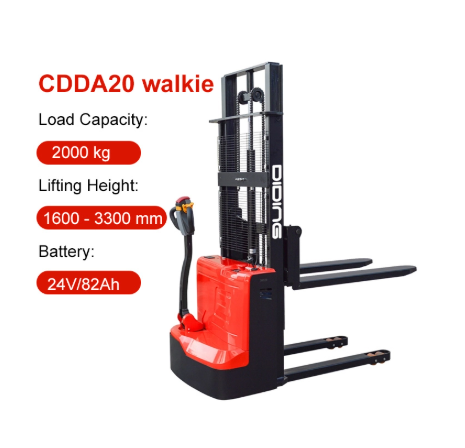
The 24V/82Ah maintenance-free gel battery lets you use your equipment for longer amounts of time without having to charge it. This cuts down on downtime and increases productivity. The built-in charger makes the charging process easier and makes overnight charging easy without the need for extra charging tools or charging stations.
Energy Efficiency and Environmental Benefits
Modern electric stackers make a big difference in warehouse operations that try to be environmentally friendly. When something is driven by batteries, it doesn't need fuel and produces less pollution than options that use internal combustion. The optional lithium battery improvement makes the system even more energy-efficient while also making it last longer and requiring less upkeep.
Advanced models have energy recovery systems that collect motion energy when the vehicle slows down. This makes the batteries last longer and uses less energy overall. Companies want to be environmentally friendly, and this renewing ability helps them do that while also saving them money on energy costs.
Safety and Operator Comfort
Electric stackers have a lot of safety measures that keep the users and people nearby safe. Automatic stopping systems keep things from moving around without being controlled, and stability controls keep loads safe while they are being moved or stacked. Electric operation has fewer physical demands, so accidents and injuries caused by tiredness are less likely to happen.
Practical Guidelines for Selecting the Best Electric Pallet Stacker
Before you can choose the right electric pallet stacker, you need to carefully consider your facility's limitations, your working needs, and your long-term performance goals. The main specification is load capacity, but there are many other things that affect the best tool choice for each purpose.
Evaluating Operational Requirements
A warehouse layout study figures out the right stacker measurements and how easy it needs to be to move around. For narrow hallway operations, designs need to be small and have tight turning angles. For open floor plans, however, bigger models with more load capacity are possible. Lift height standards need to work with current rack systems while still leaving enough space for safe operation.
The daily level of activity affects the battery's capacity and the motor's power needs. High-volume facilities benefit from motors that are strong and batteries that last longer, while uses that only use them sometimes may put cost-effectiveness over the highest performance standards.
Technology and Feature Considerations
LI-ION battery support lets you make upgrades in case your business grows or your needs change in the future. Lithium batteries have longer life cycles, can be charged faster, and work the same way in different temperatures. This flexibility makes sure that the equipment lasts a long time and can be changed to meet new operating needs.
Different types of pallets and special handling needs can be met by fork designs that can be changed. Standard fork measurements work well for most tasks, but custom specs are best for particular pallet designs or types of loads that are popular in certain industries.
Procurement and Investment Strategies
When deciding between new and used equipment, you have to weigh the initial investment costs against the equipment's long-term dependability. Certified used choices are cheaper for businesses that want to stick to a tight budget, while new equipment comes with a guarantee and the newest technology. Flexible ways to buy things, like financing, deals for buying in bulk, and rental agreements, help make the best use of capital without lowering the quality of the tools.
Optimizing Use and Maintenance for Long-Term Efficiency
Pallet stacker electrics last a lot longer if they are used correctly and get regular repair. This is because they keep up with performance standards. Setting up thorough repair plans helps avoid unplanned downtime and lowers long-term operating costs.
Operational Best Practices
To get the most out of their equipment and make it last as long as possible, operators must follow set safety rules and operational guidelines. Controlled driving speeds keep the vehicle safe around people and objects while preventing needless wear on the drive's parts. When you handle loads correctly, you make sure that the weight is evenly distributed and that you don't overdo, which could damage hydraulic systems or structural parts.
Taking care of batteries is an important part of daily life. Avoiding full drain cycles and sticking to the right charging plans will make batteries last longer and make sure there is always power available. The design of the maintenance-free gel battery cuts down on the need for regular upkeep while still providing reliable performance over long operating periods.
Preventive Maintenance Protocols
Schedules for regular inspections find possible problems before they cause problems with operations. Checking the amount of hydraulic fluid, inspecting electrical connections, and greasing mechanical parts are all important upkeep tasks. Replacing worn-out parts on time keeps things running at their best and stops further damage.
Troubleshooting Common Issues
Knowing how to deal with common operating problems quickly and with as little downtime as possible is important. Problems with batteries are often caused by bad charging habits or connection problems. Most problems with drive motors are caused by overloading or pollution in the surroundings. Hydraulic system problems could mean that there are fluid leaks, clogged filters, or air in the system that isn't supposed to be there.
Systematic troubleshooting methods are needed to find specific fault conditions when an electronic component fails. Today's stackers have monitoring systems that give fault codes and information about the machine's operating state. This makes troubleshooting easier and cuts down on the time needed to fix the problem.
Why Partner with a Reliable Electric Pallet Stacker Supplier?
By picking a supplier with a history of success and proven knowledge, you can be sure that you will be able to get high-quality goods and full support services. Diding Lift has been in business for 12 years and focuses on researching, designing, making, and selling light and small store handling vehicles. Because we care about being dependable, long-lasting, and efficient, we're the perfect partner for a wide range of material handling tasks.
Supplier Expertise and Support Services
Leading providers have a lot of technical and practical knowledge that can help you choose the right tools. Full support services include help with installation, training for operators, and ongoing help with maintenance. These services make sure that the equipment is properly installed and keeps working well for as long as the equipment is in use.
Diding Lift offers custom solutions for stacking and moving materials that are made to fit the needs of each business. Electric forklifts, electric pallet stackers, electric pallet trucks, reach trucks, and counter balance trucks are some of the products we sell. They are made to meet the needs of a wide range of businesses.
Customization and Application Engineering
Suppliers with a lot of experience can customize equipment so that it works best for your specific needs. Application engineering services look at specific work habits and suggest how to set up tools so that it is most productive and efficient. These ways of working together lead to ideas that solve specific business problems and add value over time.
Case Studies and Performance Validation
Case studies of successful implementation show the real benefits that can be gained from carefully choosing tools and working with a seller. Performance gains that have been logged, such as higher output, lower labor costs, and better safety records, show that the investment was worthwhile and that the business could run better.
Conclusion
For B2B buyers who want to increase warehouse efficiency through safer, faster, and more cost-effective material flow options, electric pallet stackers are smart investments. These tools are important to modern warehouse operations because they use little energy, have advanced technology, and can be used in a variety of ways. A well-thought-out choice based on thorough operational analysis and the dependability of the provider guarantees a smooth execution and long-term value creation. Partnering with experienced makers and sellers gives you expert advice, lowers the risks of buying, and makes it easy to integrate into current processes, giving you a long-term competitive edge.
FAQ
What is the typical battery lifespan of electric stackers?
Batteries usually last between 3 and 5 years, but this depends on how they are used, charged, and maintained. Lithium upgrades give batteries longer life cycles and steady performance, while gel batteries don't need any upkeep.
How do I determine the correct load capacity for my application?
The highest weight of the pallets, the stacking heights, and the safety gaps affect the choice of load capacity. When deciding on capacity, you should think about both present needs and future growth in operations. For safe running, engineering rules say to keep 20% capacity reserves.
Are electric stackers suitable for outdoor or uneven terrain applications?
Standard electric stackers work best on flat, smooth surfaces like those found in warehouses. For use outside, you need special models that can handle bad weather better and have better grip. If the ground isn't level, you may need all-terrain versions or extra gear.
Transform Your Warehouse Operations with Diding Lift Electric Pallet Stackers
Are you ready to make your material dealing much more efficient? Diding Lift has electric pallet stacker solutions that are state-of-the-art and designed to work well and be reliable. Our high-tech stackers have strong AC motors, gel batteries that don't need to be maintained, and layouts that can be changed to fit your needs. As a reliable electric pallet stacker maker with 12 years of experience, we offer complete solutions backed by top-notch service and support. Get in touch with our knowledgeable staff at sales@didinglift.com right away for personalized advice and cheap quotes.
References
Material Handling Institute. "Electric Pallet Stacker Safety and Operation Guidelines." Industrial Equipment Safety Standards, 2023.
Warehousing Education and Research Council. "Productivity Analysis of Electric vs Manual Material Handling Equipment." Supply Chain Efficiency Report, 2023.
International Association of Material Handling Engineers. "Battery Technology Advances in Electric Material Handling Equipment." Technology Innovation Journal, 2024.
Occupational Safety and Health Administration. "Workplace Safety Standards for Powered Industrial Trucks." Federal Safety Regulations, 2023.
American Society of Mechanical Engineers. "Design Standards for Electric Pallet Handling Equipment." Engineering Specification Guidelines, 2024.
National Institute for Occupational Safety and Health. "Ergonomic Considerations in Material Handling Equipment Design." Workplace Health Research, 2023.
 English
 العربية
 Français
 Русский
 Español
 Português
 Deutsch
 italiano
 日本語
日本語 한국어
한국어 Nederlands
 Tiếng Việt
 ไทย
ไทย Polski
 Türkçe
 ພາສາລາວ
 ភាសាខ្មែរ
 Bahasa Melayu
 ဗမာစာ
ဗမာစာ தமிழ்
தமிழ் Filipino
 Bahasa Indonesia
 magyar
 Čeština
 қазақ
қазақ Српски
 हिन्दी
 فارسی
فارسی Kiswahili
 Svenska
 українська
 Ελληνικά
 Suomi
Suomi עברית
עברית Latine
 اردو
اردو বাংলা
বাংলা Afrikaans
 Gaeilge
 Māori
Māori Oʻzbekcha
 অসমীয়া
 Aymara
 Bamanankan
 Беларуская мова
 Bosanski
 ދިވެހި
 Eʋegbe
 guarani
 Kreyòl ayisyen
 ʻŌlelo Hawaiʻi
 íslenska
 Krio we dɛn kɔl Krio
 Kurdî
Kurdî Runasimi
 Gagana Samoa
 Sesotho
 سنڌي
سنڌي Soomaali
 ትግንያውያን
 Yorùbá


