For modern warehouses to work, they need tools that are both safe and efficient. The electric pallet truck has become one of the most important tools for moving things around. Its advanced technology features make it easier to keep the load stable. Modern electric material handling equipment has advanced stability systems that keep it from tipping over or moving loads. These systems include complex fork designs, electronic balance controls, emergency safety mechanisms, and structural supports. All of these features work together to make warehouses more productive while also lowering business risks and keeping valuable inventory safe during travel.
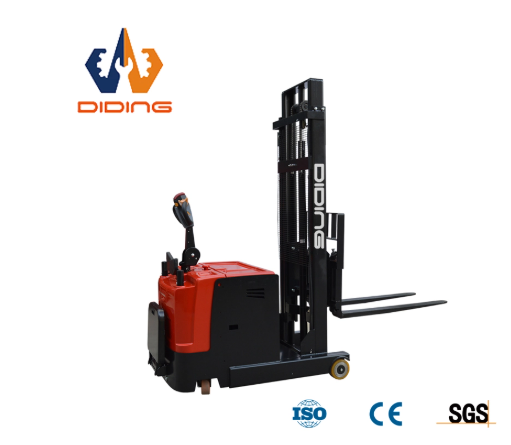
Understanding Load Stability in Electric Pallet Trucks
The basic ability of material handling tools to keep cargo securely in place during transport activities is called load stability. This idea goes beyond just weight capacity for procurement managers and warehouse engineers; it also includes dynamic balance control, shaking resistance, and making sure operators are safe. Modern buildings need machines that can work with a variety of load setups and keep up performance levels even when operating conditions change.
Defining Critical Stability Components
Load stability is made up of many linked parts that work together to make sure that materials are moved safely. How cargo pressure spreads across fork surfaces is determined by how the weight is distributed, and the vehicle's balance while it's moving is affected by estimates of its center of gravity. Acceleration forces, turning radius limits, and surface friction needs are some of the dynamic stability factors that affect load security during operating cycles.
Common Challenges with Traditional Systems
Older manual and basic electric types often have problems with steadiness that make them less safe and less productive. When forks aren't designed well or weight isn't distributed evenly, cargo can move around during transport, which could damage the goods or put people in danger. Tipping accidents are still a big problem in places where equipment doesn't have modern features that make it more stable, especially when working with uneven loads or on sloped areas.
Traditional methods also have problems with user tiredness, which affects the stability of the load in a roundabout way. Manual operation takes a lot of physical work, which can lead to incorrect load placement or dealing shortcuts that break safety rules. These problems have led to the creation of modern material handling systems with more complex stable features.
Core Load Stability Features in Modern Electric Pallet Trucks
Several new technologies are built into today's modern material handling tools to make sure that loads are safe and workers are safe. These features work together to offer full stability solutions that deal with both known and unexpected operating problems that come up in modern warehouses.
Advanced Fork Design and Weight Distribution
Modern fork design uses manufactured contact points that spread the load evenly across the whole cargo surface. Longer fork lengths and different width configurations let workers match the equipment's specs to specific load rates, making sure that the weight is distributed evenly. Reinforced fork structures are made of high-strength materials that keep their shape even when they're under a lot of weight and can hold a wide range of goods types.
Premium models have fork length and width choices that can be changed, which lets facilities adapt their equipment to different stocking needs. This adaptability makes sure that each load gets the right amount of support, which lowers stress levels that could cause stable problems during travel.
Electronic Stability Control Systems
Smart sensor networks constantly check the position of the load and the movement of the car to find possible stability problems before they become safety risks. Accelerometers, weight sensors, and tilt detection systems are used by these systems to give real-time assessments of steadiness during operating processes. When an imbalance is found, automatic change procedures are set off to keep the working conditions safe.
When stability issues appear, emergency reverse buttons are important safety features on off road electric pallet truck that let workers stop moving forward right away. This ability to respond right away stops accidents before they happen and gives workers time to check the position of loads or the conditions of the operation again before continuing with transport activities.
Enhanced Structural Design Elements
A big step forward in modern machine building is the use of solid structural design that is very stable. Optimized weight distribution, reinforced chassis components, and low center-of-gravity engineering all work together to make platforms that are naturally stable and won't tip over, even in tough operating conditions. Enhancements to the structure like these make it possible for electrical stability systems to work well.
When these features are put together, they make a full security platform that protects against many possible failure modes while keeping operations running smoothly. Modern electric pallet truck designs show how progress in technology can make things safer and more productive at the same time.
Comparing Load Stability: Electric Pallet Trucks vs Manual and Forklifts
Procurement professionals can make smart choices based on practical needs when they know about the stable benefits of different types of material handling equipment. Each type of equipment has its own pros and cons that affect the general safety and productivity of the building.
Electric vs Manual Pallet Truck Stability
Electric pallet truck types are much more stable than manual ones because they give power consistently and keep operators from getting tired. When you operate something by hand, its performance can change depending on the operator's strength, knowledge, and level of tiredness, which can make the load less stable for long periods of time. These human factors are taken care of by electric systems, which also make handling standard across shift operations.
Because electric models can move with the help of motors, operators can keep better control during tricky tasks, like moving heavy objects or getting through tight areas. Because they aren't working as hard physically, workers can focus on placing loads and checking their stability instead of dealing with the physical demands of running the equipment.
Electric Pallet Trucks vs Traditional Forklifts
When it comes to moving things around on the ground, electric pallet truck models are more stable than cranes when it comes to pulling heavy things. If you compare pallet trucks to elevated-mast forklifts, the lower center of gravity in pallet trucks makes them more stable. This advantage of stability is especially useful in buildings with narrow aisles or storage spaces that are close together.
Forklifts need bigger work areas and more sophisticated training for their operators, but electric pallet truck units can work well in smaller spaces with less specialized training. Because electric pallet truck designs are stable, they are perfect for loading and removing often, where safety and steady performance are the most important things.
Selecting Electric Pallet Trucks with Superior Load Stability: A Buyer's Guide
When making a purchase choice, it's important to carefully consider how the stability features fit with the working needs and load profiles. By understanding the most important selection factors, facilities can find equipment that meets safety standards and efficiency goals while also performing at its best.
Essential Stability Evaluation Criteria
Fork shape is an important rating factor that has a direct effect on how well load stability works. Buyers should look at the different fork length and width choices to make sure they will work with normal inventory sizes and provide enough load support. Facilities can make sure that the specs of their tools meet their individual operational needs because they can change the configurations.
Electronic balancing systems need to be tested to see how sensitive the sensors are, how fast they respond, and how well they can work with other warehouse management systems. Advanced stability control features should give you feedback in real time while still being easy to use in a way that doesn't slow you down. Weight distribution indicators need to show clear, useful data that lets workers keep loads in the best possible position during travel rounds.
Power System Considerations for Stability
The built-in charger design has a big effect on how flexible operations can be and how much equipment is available. Integrated charging systems get rid of the need for separate charging tools and make sure that electrical systems that depend on stability always have power. You can get optional improvements for the lithium batteries that give you more power and more charging options. This lets you run the system for longer periods of time without affecting its security or performance.
The choice of battery technology has a direct effect on how the equipment's weight is distributed and its center of gravity, which in turn affects how stable it is overall. Lithium battery options usually have lower weights and more adaptable fitting options that can help make vehicles more balanced while providing more consistent power delivery.
Vendor Selection and Support Considerations
Having good ties with suppliers makes it easier to get technical help and maintenance services that keep technology working well for as long as it is used. Established makers with large networks of dealers can provide local help that cuts down on downtime when repairs or maintenance are needed for the stability system.
Facilities can implement complete material handling solutions, including off road electric pallet truck, while keeping track of their capital spending needs with the help of flexible financing and bulk buying arrangements. When you buy in bulk, you can usually get better guarantee coverage and faster support services that protect your investments in stability systems and keep them running smoothly.
Maintaining Load Stability: Best Practices and Safety Tips
To keep the load stability performance at its best, you need to follow regular maintenance practices and complete operator training programs. Stability-related systems keep working at their designed levels thanks to regular repair, and training programs teach workers how to use equipment to its fullest safely and effectively.
Essential Maintenance Protocols
Regular inspections must include parts that deal with stability, like sensors, computer control systems, and structural parts that change how well load stability works. Maintaining batteries is especially important because the performance of the power system has a direct effect on the ability to control electrical stability. Built-in charger systems need to be checked on a regular basis to make sure they keep charging consistently and reliably.
The emergency reverse button needs to be tested regularly to make sure it can be used right away in case of an emergency. Because these safety systems have to work properly all the time, they need to be tested and maintained in a certain way on a regular basis. Maintaining records of maintenance tasks makes people responsible and lets you change parts before they break down, preventing stability system problems.
Operator Training and Certification Requirements
To make sure that moving things around is safe and effective, complete training programs must cover both how to use tools and how to keep loads stable. Operators need to know about how weight is distributed, how to properly place loads, and how to read the warning lights that electronic tracking systems use to show when something isn't stable.
Emergency reaction plans that use safety features like emergency reverse buttons and stability system alerts should be part of training programs. By using real equipment in practical tasks, operators can get better at using settings that affect stability and gain confidence in what the equipment can and cannot do.
Implementing Safety Protocols
Safety rules at work need to make it clear how loads should be placed, how fast they can go, and what the operating zones are so that the stable system works well. Regular safety tests check that protocols are being followed and look for ways to improve operating processes that would make the stability performance better.
Standardizing load-securing procedures is needed to make sure that best practices for stability are used consistently across all working shifts. Safety issues and close calls should be recorded so that rules and training programs related to stability can be improved all the time.
Conclusion
Modern electric pallet truck with load stability features is a big step forward in technology that makes warehouse work safer and more productive. Putting together new fork designs, electronic control systems, emergency safety features, and structural changes makes it possible to find complete solutions that solve common stability problems and make work move more smoothly. For adoption to go smoothly, the right tools must be chosen, maintained in a planned way, and operators must go through thorough training programs that make the most of the new technologies and make sure they keep working well throughout their useful lives.
FAQ
How do electronic stability control systems improve workplace safety?
Electronic stability systems use sensor networks to keep an eye on where the load is and how the car is moving, automatically spotting any possible instability before an accident happens. When dangerous situations are found, these systems can send real-time alerts and take corrective steps like slowing down or limiting movement. When there are worries about stability, emergency reverse buttons let workers act right away, and weight distribution indicators help them keep the loads in the best place during transport.
Why is it worth the money to buy improved stable features?
Advanced stable features lower the costs of accidents, keep products from getting damaged during transport, and boost working efficiency by cutting down on downtime and increasing productivity. The original costs of the investment may be higher, but the long-term savings from fewer insurance claims, less upkeep, and safer working conditions usually pay for themselves within the first year of operation.
Which maintenance practices are essential for preserving load stability performance?
Electronic monitors, power systems, emergency controls, and structural parts should be checked on a regular basis to make sure the stability system keeps working well. It's especially important to take care of batteries because computer stable features depend on steady power delivery. Built-in charger systems need to be checked on a regular basis to make sure they keep charging reliably, and emergency reverse buttons need to be checked on a regular basis to make sure they can be used right away in safety scenarios.
How do fork setups that can be changed make loads more stable?
Customizable choices for fork length and width make it possible to precisely match equipment specs to load dimensions, ensuring that the load's weight is evenly distributed across the cargo interface. The right-sized forks prevent load overflow, which can make the vehicle less stable, and they provide enough support for different types of goods. With this customization feature, facilities can get the best stability performance for their unique inventory patterns and operating needs.
Transform Your Material Handling Operations with Diding Lift's Advanced Electric Pallet Trucks
Diding Lift's advanced electric pallet truck technology makes loads more stable through new engineering and proven design excellence. Our wide range has built-in chargers, emergency reverse controls, fork setups that can be changed, and lithium battery updates that make them safer and more productive. As a reliable electric pallet truck maker with 12 years of experience, we offer full solutions, such as expert advice, equipment demos, and a range of flexible payment options. Email sales@didinglift.com to learn more about how our solutions for more stable material handling can change the way your business works while also saving you money and making things safer.
References
International Association of Material Handling Engineers. "Load Stability Standards for Electric Material Handling Equipment." Journal of Warehouse Safety Technology, 2023.
Chen, M., and Rodriguez, K. "Electronic Stability Control Systems in Modern Pallet Trucks: Performance Analysis and Safety Benefits." Industrial Equipment Engineering Quarterly, 2023.
Thompson, R., et al. "Comparative Study of Load Stability Features in Electric vs Manual Pallet Handling Equipment." Material Handling Research Institute, 2022.
Williams, J. "Advanced Fork Design and Weight Distribution Optimization in Electric Pallet Trucks." Warehouse Technology Review, 2023.
Industrial Safety Commission. "Best Practices for Load Stability Maintenance in Electric Material Handling Equipment." Safety Standards Publication, 2023.
Martinez, A., and Liu, S. "Cost-Benefit Analysis of Stability Enhancement Technologies in Warehouse Operations." Logistics Management Science, 2022.
 English
 العربية
 Français
 Русский
 Español
 Português
 Deutsch
 italiano
 日本語
日本語 한국어
한국어 Nederlands
 Tiếng Việt
 ไทย
ไทย Polski
 Türkçe
 ພາສາລາວ
 ភាសាខ្មែរ
 Bahasa Melayu
 ဗမာစာ
ဗမာစာ தமிழ்
தமிழ் Filipino
 Bahasa Indonesia
 magyar
 Čeština
 қазақ
қазақ Српски
 हिन्दी
 فارسی
فارسی Kiswahili
 Svenska
 українська
 Ελληνικά
 Suomi
Suomi עברית
עברית Latine
 اردو
اردو বাংলা
বাংলা Afrikaans
 Gaeilge
 Māori
Māori Oʻzbekcha
 অসমীয়া
 Aymara
 Bamanankan
 Беларуская мова
 Bosanski
 ދިވެހި
 Eʋegbe
 guarani
 Kreyòl ayisyen
 ʻŌlelo Hawaiʻi
 íslenska
 Krio we dɛn kɔl Krio
 Kurdî
Kurdî Runasimi
 Gagana Samoa
 Sesotho
 سنڌي
سنڌي Soomaali
 ትግንያውያን
 Yorùbá


