Cleanroom-compatible electric pallet stacker units represent specialized material handling equipment designed to operate within controlled environments that demand strict contamination prevention. These advanced stackers feature sealed components, anti-corrosive coatings, and smooth surfaces that minimize particle emission while maintaining compliance with ISO 14644 and GMP standards. Unlike conventional warehouse equipment, cleanroom stackers employ maintenance-free gel batteries and low-emission power systems that protect sensitive manufacturing processes in pharmaceutical, electronics, and food processing facilities.
Understanding Cleanroom-Compatible Electric Pallet Stackers
Engineering Specifications for Controlled Environments
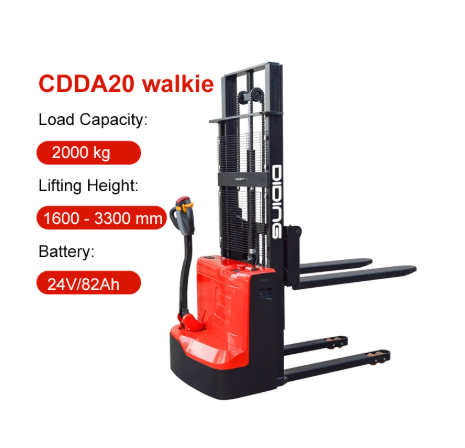
Modern stackers that can be used in cleanrooms are made with advanced engineering principles that meet the needs for both efficiency and contamination control. These systems work because their electrical parts are protected and they have special power setups. Advanced models have 24V/82Ah gel batteries that don't need to be maintained and come with built-in chargers that get rid of the need for separate charging stations in clean areas.
The operational powers are based on dual-motor setups, which usually include 0.9kW AC drive motors for accurate movement and 2.2kW AC lifting motors for safe vertical movement. This motor design allows for controlled speeding up and slowing down, which is necessary for following sterile rules while working with delicate materials.
Structural Design and Material Considerations
To be able to handle large loads of tons of stuff without damaging the environment, cleanroom stackers need to have strong, stable structures. The frame is made of materials that don't shed and finishes that don't react with chemical cleaners that are common in sterile facilities.
Fork length and width can be changed to fit different pallet configurations while still keeping the small size needed for cleanroom lanes. Many units come with optional lithium battery improvements that give them longer run times and faster charging processes. This is especially helpful in places where things are always working, like pharmaceutical production lines.
Key Benefits of Using Electric Pallet Stackers in Cleanrooms
Contamination Control and Environmental Protection
Using stackers that can work in cleanrooms greatly lowers the risk of pollution that comes with using regular ways to move things around. These units get rid of the dust, hydraulic leaks, and tailpipe fumes that are common with regular machines. Corrosive fumes or metal bits that could mess up sensitive production processes can't get out because the battery systems and electrical parts are sealed.
The comfortable design limits the amount of movement and physical effort that operators have to do in controlled settings. This lowers the risk of bringing in outside contaminants through higher activity levels. In areas like pharmaceutical compounding and chip manufacturing, where even tiny contamination can lead to big production loses, this controlled process is very helpful.
Operational Efficiency and Productivity Enhancement
Stackers that can be used in cleanrooms improve working efficiency with their precise control systems and small moving spaces. The form of the pallet stacker electric lets it make tight turns and fit precisely into narrow aisles, which increases storage density while keeping entry easy.
The built-in power management systems keep the machines running smoothly even during long shifts, so there is less downtime for things like changing batteries or doing repairs. Li-ion battery compatibility expands operating windows and allows fast charging methods that work with the schedule needs of cleanrooms.
Types of Cleanroom-Compatible Electric Pallet Stackers and Their Applications
Compact Models for Restricted Environments
Compact cleanroom stackers are used in small to medium-sized controlled settings that need to be able to move around precisely and with little wasted space. These units usually have smaller overall sizes while still being able to hold normal loads. This makes them perfect for places like medicine labs and electronics assembly lines.
The small size includes advanced control systems that make speeding up and slowing down smooth, which is important for moving fragile parts or materials. Because they have a smaller footprint, they can be used in cleanrooms with tight aisles while still keeping the structural stability needed for effective performance.
Heavy-Duty Solutions for Industrial Cleanrooms
Heavy-duty cleanroom stackers are made to meet the strict needs of big factories that make things and food processing plants that work in controlled environments. These strong units have higher load limits and stronger structural parts that are made to handle constant operation cycles.
In the heavy-duty group are models that are made to carry loads of many tons while still meeting the cleanliness standards needed in controlled industries. Their strong structure keeps them stable when they're carrying heavy loads, and special closing systems keep important parts safe from cleaning chemicals and sanitization processes.
Specialized Applications Across Industries
Stackers need to be set up in certain ways depending on the sterile setting so they can work properly. Pharmaceutical facilities gain from units that are more resistant to chemicals and can keep records that help them follow the rules. Cleanrooms for making electronics need stackers that are anti-static and compatible with electromagnetic fields.
In food processing cleanrooms, equipment needs to be able to handle being cleaned often and still work with precise temperature controls. To make sure you choose the right tools for each type of application, you need to carefully think about the surroundings, government rules, and how things will be done.
How to Choose the Right Cleanroom Electric Pallet Stacker: A B2B Buying Guide?
Critical Selection Criteria for Procurement Teams
To choose the right tools for a cleanroom, you need to look at a lot of practical, technical, and legal factors. The required load capacity must match the average box weights and stacking heights in the building. The specs for the pallet stacker electric should meet the needs of the current business while also allowing for future growth.
Power source issues are very important when choosing tools. While lithium batteries offer longer run times and faster charge, maintenance-free gel batteries offer stable performance with little to no intervention. Which of these technologies to use relies on funding, operational plans, and the ability to do repairs.
Maneuverability specifications must match the physical constraints of cleanroom layouts. The largest pieces of equipment that can work well in a building are limited by its aisle lengths, turning radii, and door openings. Customizable fork measurements make sure that they work with current pallet systems and can adapt to possible changes in how the packing is set up.
Manufacturer Evaluation and Support Considerations
When evaluating possible providers, you need to look at their cleanroom knowledge, ability to get certified, and ongoing support systems. People who make things and have worked in controlled industries before know what it takes to run a cleanroom and can provide the right paperwork for validation processes.
In cleanrooms, where machine failures can cause big problems with production, being able to provide technical help is especially important. When choosing a supplier, you should give local service networks, parts availability, and emergency reaction skills a lot of thought.
Because cleanroom processes are so specific, warranty terms and servicing agreements need to take that into account. Standard workplace guarantees might not cover the special wear patterns or environmental stresses that come with cleaning things often and working in a controlled atmosphere.
Maintaining and Operating Cleanroom-Compatible Electric Pallet Stackers Safely
Operational Best Practices and Safety Protocols
For cleanroom stackers to be used safely, operators must first go through a lot of training that covers both how to use the equipment and how to keep it clean. Operators need to know how important it is to move slowly, put on their gowns correctly, and clean their tools according to the rules for cleaning in their building.
During regular inspections, the focus should be on important parts that could affect the structure of the cleanroom. Battery terminals, electrical connections, and structure parts need to be checked on a regular basis to find places where contamination or device failure could happen. To keep outside contaminants from getting into the cleanroom while maintenance work is being done, these checks must follow set cleanroom practices.
The built-in charger makes managing power easier and lowers the risk of pollution that comes with handling batteries. Operators should keep an eye on charging cycles and battery performance signs to spot problems early, before they affect the ability to do their jobs.
Preventive Maintenance and Component Care
Cleanroom stackers need to be maintained in a way that keeps them from getting dirty and makes sure they work properly. Cleaning methods must use approved germ-killing substances and adhere to set rules that protect the environment during the upkeep process.
Contamination control needs extra care during processes for replacing parts. Before they are put together, all new parts should be cleaned and inspected properly. The maintenance-free gel battery design means that you don't have to do as much, but parts of an electric pallet stacker like the motors and control systems should be serviced by a professional every so often.
For cleanrooms that have to follow rules, keeping thorough records of care is needed to help with validation and compliance tasks. These records should keep track of all repair tasks, part replacements, and changes to performance that might affect how well the cleanroom works or how compatible it is with other equipment.
Conclusion
For facilities that need to keep pollution under tight control while still being able to run efficiently, cleanroom-compatible electric pallet stackers are necessary tools. Adding high-tech features like maintenance-free gel batteries, built-in charging systems, and flexible configurations helps deal with the specific problems that come up in controlled factory settings. These specialized stackers are reliable and work well enough for pharmaceutical, electronics, and food processing operations, and they also help meet strict cleanliness standards. Their strong structure and engineering for high-tonnage capacity mean that sites that buy contamination-free material handling systems will get long-term value.
FAQ
What makes an electric pallet stacker suitable for cleanroom environments?
Stackers that can be used in cleanrooms have electrical parts that are sealed, battery systems that don't need to be maintained, and special finishes that reduce the risk of particle emissions and contamination. Because they are sealed and use low-emission power sources, these units meet ISO 14644 and GMP guidelines.
How do gel batteries that don't need to be maintained help sterile operations?
With maintenance-free gel batteries, you don't have to add water to them on a regular basis, and there is less chance of acid spills or corrosive vapor releases in controlled settings. They give power consistently and have built-in charging methods that reduce the need for maintenance.
Can cleanroom stackers handle the same load capacities as standard models?
Modern stackers that can be used in cleanrooms are made to hold a lot of weight while still being safe for the environment. Their solid structural design provides stability and performance comparable to standard industrial models without compromising cleanliness standards.
Contact Diding Lift for Premium Cleanroom Stacker Solutions
Diding Lift is an expert at making high-quality electric pallet stacker options that are designed to work in cleanrooms and other controlled industrial facilities. Our stackers can be used in cleanrooms and have modern 24V/82Ah gel battery systems that don't need to be maintained. They also have built-in chargers and lithium battery upgrades that can be added to meet the strict needs of controlled industries. With fork sizes that can be changed and strong structural engineering for heavy-duty uses, our equipment works reliably and follows strict standards for contamination control. Send an email to sales@didinglift.com to talk to our knowledgeable staff about how to handle materials in a cleanroom and find out why top makers choose Diding Lift as their electric pallet stacker source.
References
International Organization for Standardization. "Cleanrooms and Associated Controlled Environments - Part 1: Classification of Air Cleanliness by Particle Concentration." ISO 14644-1:2015.
Pharmaceutical Research and Manufacturers of America. "Guidelines for Material Handling Equipment in Pharmaceutical Manufacturing Facilities." Industry Standards Publication, 2023.
Institute of Environmental Sciences and Technology. "Cleanroom Operations and Contamination Control Protocols." Technical Report Series, 2022.
American Society for Quality. "Good Manufacturing Practices for Material Handling in Controlled Environments." Quality Management Standards, 2023.
Cleanroom Technology Magazine. "Electric Material Handling Equipment Selection and Validation in Regulated Industries." Annual Industry Review, 2024.
International Society for Pharmaceutical Engineering. "Equipment Design Guidelines for Sterile Manufacturing Environments." Technical Guidelines, 2023.
 English
 العربية
 Français
 Русский
 Español
 Português
 Deutsch
 italiano
 日本語
日本語 한국어
한국어 Nederlands
 Tiếng Việt
 ไทย
ไทย Polski
 Türkçe
 ພາສາລາວ
 ភាសាខ្មែរ
 Bahasa Melayu
 ဗမာစာ
ဗမာစာ தமிழ்
தமிழ் Filipino
 Bahasa Indonesia
 magyar
 Čeština
 қазақ
қазақ Српски
 हिन्दी
 فارسی
فارسی Kiswahili
 Svenska
 українська
 Ελληνικά
 Suomi
Suomi עברית
עברית Latine
 اردو
اردو বাংলা
বাংলা Afrikaans
 Gaeilge
 Māori
Māori Oʻzbekcha
 অসমীয়া
 Aymara
 Bamanankan
 Беларуская мова
 Bosanski
 ދިވެހި
 Eʋegbe
 guarani
 Kreyòl ayisyen
 ʻŌlelo Hawaiʻi
 íslenska
 Krio we dɛn kɔl Krio
 Kurdî
Kurdî Runasimi
 Gagana Samoa
 Sesotho
 سنڌي
سنڌي Soomaali
 ትግንያውያን
 Yorùbá


