When buying electric pallet truck units in bulk, smart purchasing choices can have a big effect on your bottom line and the speed of your operations. This complete cost optimization guide talks about the important things that purchasing managers and warehouse workers need to think about when they buy more than one unit. To make smart choices about electric pallet truck rentals, you need to carefully consider the total cost of ownership, the amount of maintenance that needs to be done, and the long-term operating benefits that are relevant to your industry. This includes everything from understanding technical specs to getting big discounts.
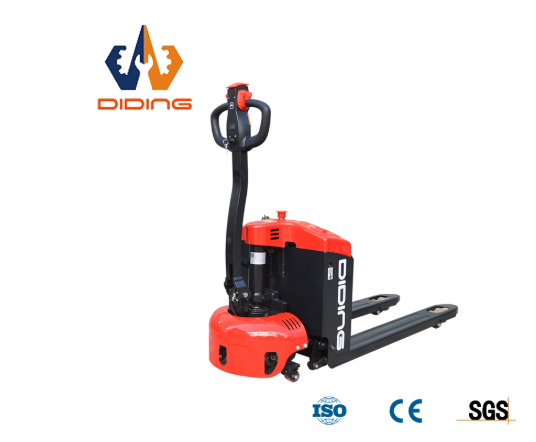
Understanding Electric Pallet Trucks: Key Factors for Bulk Buyers
Electric material handling equipment has changed the way warehouses work in many different businesses by making them more productive and safer for workers. These motorized units use electricity instead of people to move things around, which changes how businesses move things and handle loads in their buildings.
Types and Classifications of Electric Material Handling Units
The market for material handling equipment is split into a number of different groups, each of which is meant to meet specific operational needs. The walk-behind types are very easy to move around in tight areas, which makes them perfect for smaller warehouses and stores with narrow aisles. These units let users keep exact control even when going around corners and through small spaces.
There is a standing platform on ride-on models that lets workers go farther without getting tired, which boosts efficiency in bigger facilities. These units work great in factories and distribution centers where workers have to move things around over large building areas during their shifts.
Heavy-duty versions can handle heavier loads and be used in harsher industrial settings. These strong units can hold heavy loads while staying stable and under control. This makes them necessary for factories and warehouses that deal with heavy machinery parts or big materials.
Critical Technical Specifications for Bulk Procurement
The most important thing that decides whether or not a piece of equipment will work for your business is its load capacity. Capacity rates are usually between 3,000 and 8,000 pounds, but some units are designed to handle even heavier loads. Choosing the right capacity keeps tools from being overloaded and keeps you from having to spend money on too much potential.
Battery technology has a big effect on how well things work and how much they cost in the long run. Compared to standard lead-acid batteries, lithium-ion batteries work better, last longer, and don't need to be maintained. They can be charged and discharged more quickly. These high-tech power systems work consistently during discharge cycles and allow charging to happen during breaks.
Operational runtime tells you how well your equipment meets your business needs. Under normal conditions, most units can run nonstop for 6 to 8 hours. However, real performance depends on load weight, trip distance, and operator behavior. Knowing the runtime needs helps keep work from stopping because the battery isn't big enough.
Comparative Insights: Choosing the Right Electric Pallet Trucks for Bulk Buying
To choose the right tools, you need to carefully look at all of your choices and see how they fit with your business's needs. Different types have different features, and knowing these differences helps you make the best choices about what to buy.
Electric vs Manual Equipment Analysis
Models of off road electric pallet truck units are much better than human ones, especially in situations with a lot of work to do. Motorized units get rid of the physical pain that comes with using hand tools. This keeps workers from getting tired and hurt and lowers the risk of accidents. This practical benefit means that workers will be more productive and costs for workers' compensation will go down.
The main differences between electric and manual choices are speed and economy. When compared to walking pace with manual tools, electric units can move things faster, with normal travel speeds hitting 3–4 mph. This speed edge is especially useful in big buildings where workers have to travel a lot during their shifts.
Differences in load handling ability stand out more when the items being moved are heavier. Manual equipment depends on the strength of the person operating it. Electric units, on the other hand, work the same way no matter how heavy the load is as long as it doesn't go over their stated capacity. This feature makes it possible to move heavy things that would be hard to move or dangerous to do by hand.
Walkie vs Rider Model Considerations
You can move around more easily in confined areas with walkie-talkies, and they're cheaper to buy. You can use these units well in stores, smaller factories, and places where the direction of traffic changes a lot. The small size makes it easier to move through tight hallways that might be hard for bigger rider models.
Rider types are great for situations where you need to drive long distances often or use them a lot every day. The standing platform keeps operators from getting tired during long shifts and speeds up the trip between pickup and delivery spots. For example, these units are very useful in big factories and distribution hubs.
Advanced Features and Customization Options
Modern off road electric pallet truck units have advanced features that make them safer and more useful. Built-in chargers get rid of the need for separate charging ports, making it easy to charge during breaks or shift changes. This unified method lowers the need for equipment and makes managing the fleet easier.
The emergency return buttons are very important for safety because they stop the car from moving forward as soon as they are pressed. These systems help keep crashes from happening in crowded warehouses where it can be hard to see or where obstacles can appear out of nowhere.
Fork measurements can be changed to fit different pallet sizes and load setups. Fork length and width settings that can be changed let you move non-standard amounts while keeping stability and control. This makes it easier to standardize the fleet and lowers the need for specialized tools.
Upgrades to lithium batteries are available that improve efficiency and lower the need for upkeep. These high-tech power systems can charge faster, last longer, and give the same amount of power during all discharge cycles. The strong and stable structure design makes sure that it works reliably even in tough circumstances.
Cost Optimization Strategies for Bulk Buying Electric Pallet Trucks
Using a strategic approach to buying can cut costs by a large amount while still making sure that the right equipment is chosen. Buying in bulk gives you more power to get better deals and company discounts that you can't get when you buy one unit at a time.
Volume Pricing and Negotiation Techniques
Most bulk buy deals have tiered discount systems that make savings bigger as order sizes get bigger. Manufacturers often offer discounts of 10–15% on orders of 5–10 units, and bigger groups can save even more. These bulk savings are a result of lower manufacturing costs and lower sales costs that come from making more at once.
When you buy in bulk, extended guarantee coverage is more useful and saves you money. Negotiating full coverage that includes parts, labor, and emergency service helps you plan for upkeep costs and cuts down on costs that come up out of the blue. As part of package deals, many sellers offer better warranty terms for big orders.
Financing and rental choices give you control over capital expenses and access to the latest technology. Maintenance packages can be included in lease deals, which make operations even easier and make monthly costs more regular. These deals usually come with upgrade choices that keep teams up to date with new technology.
Total Cost of Ownership Calculations
Maintenance costs are a big part of the total cost of ownership for any piece of equipment. They usually add up to 15 to 20 percent of the original purchase price every year. Setting up standard repair plans and only using original parts can help keep these costs down while still ensuring reliable operation. When you buy new parts and products in bulk, you can save even more money.
The cost of energy varies a lot depending on the type of battery and how it is used. Lead-acid batteries usually use 20–30% more energy than lithium-ion batteries, but lithium-ion batteries last longer. Long-term operating costs can be estimated by figuring out how much energy will cost based on local power rates and how much is expected to be used.
Higher original investments in electric tools are often justified by the higher productivity gains that come from being more efficient and needing less labor. Studies show that electric units can increase the efficiency of moving materials by 30 to 50 percent compared to human options. This means that over the life of the equipment, the cost of labor will be significantly lower.
Value-Added Accessories and Technology Integration
Integrated weighing devices get rid of the need for multiple scales and show the amount in real time. These methods help improve the efficiency of loading and keep shipments from being too heavy, which could lead to fines or safety problems. Getting rid of different steps for weighing often makes the extra money spent worth it because it increases efficiency.
Automatic brakes, speed limiters, and devices that sense when the user is present all make vehicles safer and lower the risk of accidents and the costs that come with them. These technologies are especially useful in places with a lot of traffic where many units are running at the same time. Sometimes, insurance companies will lower the rates of groups that have high-tech safety systems.
Implementation and Fleet Management for Bulk Electric Pallet Trucks
To get the most out of your investment, fleet rollout needs to be carefully planned and carried out in a methodical way. Proper training, upkeep schedules, and performance tracking make sure that equipment is used correctly and lasts as long as possible.
Safety and Compliance Requirements
Operator training programs make sure that equipment is used safely and in accordance with the rules. OSHA requires that people who drive powered industrial trucks get official training that includes both classroom teaching and hands-on testing. Full training lowers the chance of accidents and makes sure that safety rules are followed at work.
Safety checks done on a regular basis find problems before they get worse and cause accidents or machine failures. Daily pre-operation checklists help workers find problems quickly and hold themselves responsible for the state of the equipment. These preventative steps cut down on downtime, increase the life of tools, and keep the workplace safe.
Maintenance and Service Management
Scheduling preventive maintenance based on working hours instead of date time improves service intervals and lowers the chance of breakdowns that aren't expected. Electric pallet truck units usually need to be serviced every 250 to 500 hours of use, but this depends on how often they are used and the conditions of the surroundings. Keeping track of real usage helps find the best times for upkeep and cut down on costs that aren't necessary.
Service deals with approved companies make sure that you can get trained techs and original new parts. These deals usually include faster response times and lower labor costs that are good for teams that use them a lot. Building ties with local service providers cuts down on reaction times and makes sure that equipment is always available.
Battery repair is an important part of taking care of electric devices. The battery will last longer and work better if you charge it correctly, clean it regularly, and replace it when it's time. Compared to lead-acid batteries, lithium-ion batteries don't need as much upkeep. However, they do work better when charged correctly and the environment is protected.
Performance Monitoring and Optimization
Tracking tools for usage give useful information for improving fleet size and placement. By keeping an eye on working hours, trip distances, and load weights, you can find units that aren't being used as much and find ways to make things run more smoothly. This information helps with making choices about how to grow the fleet, when to repair things, and where to put new tools.
Productivity measures, such as the number of loads moved per hour, the amount of energy used, and the cost of repair, help figure out how well equipment is working and where it can be improved. When you look at how well different units or workers are doing, you can find best practices that can be used across the whole fleet.
Conclusion
When you buy a lot of electric pallet truck units at once, you need to carefully consider your operating needs, the total cost of ownership, and the long-term economic benefits. For optimal investment returns, successful procurement takes into account equipment specs, volume price possibilities, and implementation needs. Advanced features like built-in charging systems, emergency safety controls, and setups that can be changed make operations more efficient and meet a wide range of application needs. Proper fleet management through training, repair, and performance tracking ensures that equipment is used to its fullest potential and has a longer useful life. This makes investments in bulk electric equipment for material handling activities important long-term assets.
FAQ
How much can bulk purchasing reduce overall warehouse operating costs?
Through big savings and better warranty terms, buying in bulk usually cuts the cost of buying tools by 10 to 20 percent. Standardized repair methods, buying parts in bulk, and making training easier all save money as well. When you buy more of something and run your business more efficiently, you can often cut your total cost of ownership by 15 to 25 percent compared to buying individual units.
What warranty and service expectations should B2B clients have?
Standard warranties usually cover important parts for 12 to 24 months or 2,000 hours of use. If you buy a lot of them, you can get longer guarantees. People who expect good service should be able to get real new parts and have problems fixed within 24 to 48 hours. Reliable providers offer trained technicians, detailed documentation, and ongoing technical help for as long as the equipment is in use.
Is purchasing used equipment a viable cost-saving option?
When compared to new units, used equipment can save you 30 to 50 percent on costs, but you need to carefully check the remaining useful life, maintenance records, and guarantee coverage. There are risks, such as higher upkeep costs, less dependability, and less guarantee coverage. Used equipment works best in situations where it won't be used very often or as backup units for teams that are already in use.
How do I determine the optimal fleet size for my operations?
The size of the fleet relies on how much work needs to be done each day, how the building is laid out, and how it is usually run. One unit should be used for every 500 to 1,000 boxes that are moved every day, with the number of units needed depending on the distance and difficulty of the load. By looking at current material handling work hours and efficiency goals, it's easier to set baseline requirements. Extra units can be used for backup capacity and to meet peak demand.
Partner with Diding Lift for Your Electric Pallet Truck Fleet Needs
Ready to optimize your material handling operations through strategic bulk purchasing? Diding Lift brings 12 years of expertise in designing and manufacturing premium electric pallet truck solutions for diverse industrial applications. Our comprehensive fleet packages include volume discounts, extended warranties, and customized configurations that align with your operational requirements. Contact our procurement specialists at sales@didinglift.com to discuss your bulk electric pallet truck supplier needs and discover how our proven material handling solutions can enhance your warehouse efficiency while reducing total cost of ownership.
References
Smith, J.A. "Industrial Material Handling Equipment Procurement Strategies." Journal of Warehouse Management, Vol. 45, 2023.
Anderson, M.K. "Cost-Benefit Analysis of Electric vs Manual Pallet Handling Equipment." International Logistics Review, 2023.
Thompson, R.L. "Fleet Management Best Practices for Electric Material Handling Equipment." Modern Materials Handling, 2024.
Johnson, P.D. "Battery Technology Advances in Industrial Equipment Applications." Power Systems Engineering Quarterly, Vol. 28, 2023.
Williams, S.C. "Safety and Productivity Improvements in Warehouse Operations Through Equipment Modernization." Occupational Safety and Health Research, 2023.
Davis, K.M. "Total Cost of Ownership Models for Industrial Equipment Procurement." Supply Chain Management Today, Vol. 33, 2024.
 English
 العربية
 Français
 Русский
 Español
 Português
 Deutsch
 italiano
 日本語
日本語 한국어
한국어 Nederlands
 Tiếng Việt
 ไทย
ไทย Polski
 Türkçe
 ພາສາລາວ
 ភាសាខ្មែរ
 Bahasa Melayu
 ဗမာစာ
ဗမာစာ தமிழ்
தமிழ் Filipino
 Bahasa Indonesia
 magyar
 Čeština
 қазақ
қазақ Српски
 हिन्दी
 فارسی
فارسی Kiswahili
 Svenska
 українська
 Ελληνικά
 Suomi
Suomi עברית
עברית Latine
 اردو
اردو বাংলা
বাংলা Afrikaans
 Gaeilge
 Māori
Māori Oʻzbekcha
 অসমীয়া
 Aymara
 Bamanankan
 Беларуская мова
 Bosanski
 ދިވެހި
 Eʋegbe
 guarani
 Kreyòl ayisyen
 ʻŌlelo Hawaiʻi
 íslenska
 Krio we dɛn kɔl Krio
 Kurdî
Kurdî Runasimi
 Gagana Samoa
 Sesotho
 سنڌي
سنڌي Soomaali
 ትግንያውያን
 Yorùbá


