You should not choose standard models because they might not work in your building, so you should make your own reach forklift choices. When businesses need to deal with box sizes that aren't standard, loads that don't always behave the same way, lane plans that aren't ideal, or specific needs for connecting with their current warehouse management systems, they should think about customization. Custom solutions can be most helpful when moving things that need more safety features, longer run times, or changes to make the machine more comfortable for the person using it. These ideas can also cut down on prices and work-related accidents.
Understanding Reach Forklifts and Their Role in High-Density Warehousing
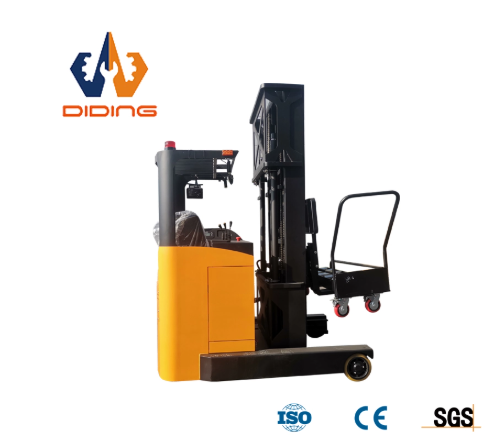
Reach forklift technology represents a significant advancement in warehouse material handling, specifically engineered for environments where space optimization directly impacts profitability. These machines utilize a unique pantograph mechanism that allows the fork carriage to extend beyond the front wheels, enabling operators to place and retrieve loads from deep racking systems without repositioning the entire vehicle.
Key Mechanical Advantages of Reach Truck Design
The fundamental design of reach trucks differs substantially from conventional forklifts through their compact wheelbase and stabilizing leg configuration. Instead of relying on counterweight systems, these machines use outer stabilizing legs that distribute load weight evenly across the chassis. This engineering approach creates a more nimble vehicle capable of operating in aisles as narrow as 8 feet while maintaining stability during high-lift operations.
Modern reach trucks typically feature lift heights ranging from 3 meters to 12 meters, with some specialized models extending even higher. The German imported steel construction in high-quality masts ensures structural integrity during repeated lifting cycles, while advanced hydraulic systems provide smooth, precise load positioning. These technical specifications directly address the challenges faced by high-density warehousing operations where maximizing cube utilization remains paramount.
Stand-Up vs Sit-Down Operator Configurations
Operator positioning significantly impacts productivity in warehouse environments. Stand-up reach trucks offer superior visibility and allow operators to enter and exit the vehicle quickly, making them ideal for operations requiring frequent load handling. The sideways operator stance in most stand-up models provides excellent sight lines to both the forks and the load, reducing positioning errors and improving safety.
Sit-down configurations excel in applications requiring extended operating periods or when operator comfort becomes a priority during long shifts. These models often feature ergonomic controls and adjustable seating that reduces operator fatigue, contributing to sustained productivity throughout the workday. The choice between configurations depends heavily on operational requirements and warehouse layout characteristics.
Criteria for Choosing the Best Reach Forklift for Your Warehouse
Selecting appropriate narrow aisle reach forklift requires careful evaluation of multiple operational factors that directly impact warehouse performance. Successful procurement teams understand that matching equipment capabilities to specific operational requirements creates the foundation for long-term efficiency gains.
Critical Capacity and Performance Specifications
Load capacity considerations extend beyond simple weight calculations to include load center distances and lift height requirements. Most reach trucks handle loads between 2,500 and 4,500 pounds, though specialized high-capacity models can accommodate heavier loads when necessary. The relationship between lift height and capacity becomes crucial as loads approach maximum specifications, requiring careful attention to load charts and operational guidelines.
Power source selection between traditional lead-acid and lithium battery systems impacts both operational costs and performance characteristics. Lead-acid batteries typically operate at 24V or 48V configurations, providing reliable power with established maintenance procedures. Lithium battery upgrades offer extended operational periods, faster charging capabilities, and reduced maintenance requirements, though initial investment costs remain higher than conventional options.
Specialized Features for Warehouse Environments
Cold storage applications demand specialized reach trucks with enhanced sealing, condensation-resistant components, and temperature-rated batteries. These modifications ensure reliable operation in sub-zero environments while protecting sensitive electronic components from moisture damage. Standard reach trucks may experience reduced battery life and component failures when operated outside their designed temperature ranges.
Side shifter attachments and order picking platforms expand the versatility of reach truck fleets, allowing single machines to perform multiple functions within warehouse operations. These accessories enable precise load positioning and support order fulfillment activities, reducing the need for additional specialized equipment. Evaluating these optional features during the selection process can significantly impact long-term operational efficiency and cost-effectiveness.
Top Reach Forklift Options on the Market for B2B Procurement
The reach truck market features several established manufacturers offering proven solutions for high-density warehousing applications. Each brand brings distinct advantages in terms of reliability, service support, and specialized features designed for specific operational requirements.
Leading Manufacturer Solutions and Capabilities
Toyota remains a dominant force in the reach truck market, offering models known for exceptional reliability and comprehensive dealer networks. Their electric reach trucks feature advanced hydraulic systems and intuitive controls that reduce operator training time while maintaining high productivity standards. Crown's reach truck lineup emphasizes ergonomic design and energy efficiency, with models specifically engineered for intensive warehouse applications.
Jungheinrich brings European engineering excellence to the North American market, with reach trucks featuring sophisticated control systems and precise load handling capabilities. Raymond focuses on narrow aisle solutions, offering reach trucks optimized for space-constrained operations with industry-leading turning radii. Hyster provides robust construction and reliable performance, particularly suited for demanding industrial applications.
New Equipment vs Used Equipment Considerations
New reach truck purchases provide comprehensive warranty coverage, latest technology features, and established service support from authorized dealers. These advantages come with higher initial investment costs but offer predictable operating expenses and minimal downtime during the warranty period. New equipment also ensures compliance with current safety standards and emissions regulations.
Used reach truck markets offer significant cost savings for budget-conscious operations, though buyers must carefully evaluate equipment condition, maintenance history, and remaining useful life. Reputable used equipment dealers provide inspection services and limited warranties that help mitigate risks associated with pre-owned purchases. Thorough due diligence becomes essential when evaluating used options to ensure long-term value.
Leasing and Rental Program Benefits
Equipment leasing programs provide access to new reach trucks and narrow aisle reach forklift without substantial capital investments, while offering predictable monthly payments and maintenance packages. These arrangements often include operator training, service support, and equipment replacement options that appeal to operations seeking comprehensive solutions. Rental programs serve short-term needs or allow businesses to evaluate equipment performance before committing to purchases.
Maximizing Efficiency and Safety with Reach Forklifts
Successful reach truck operations require comprehensive attention to safety protocols, maintenance procedures, and performance optimization strategies. These factors directly impact equipment longevity, operator safety, and overall warehouse productivity.
Essential Safety Protocols and Training Requirements
Narrow aisle operations demand specialized training programs that address the unique challenges of reach truck operation. Operators must understand load stability principles, particularly when extending loads at maximum heights where center of gravity shifts become critical. Regular safety refresher training ensures operators remain current on best practices and regulatory requirements.
Proper pre-operational inspections become crucial for reach truck safety, as hydraulic system integrity and battery condition directly impact operational safety. Operators should verify hydraulic fluid levels, inspect for leaks, and confirm proper mast operation before beginning work activities. Emergency procedures specific to reach truck operations, including safe lowering of elevated loads during power failures, require regular practice and documentation.
Preventive Maintenance and Battery Care Strategies
Battery maintenance programs significantly impact reach truck reliability and operational costs. Lead-acid battery systems require regular water level checks, proper charging procedures, and terminal cleaning to maintain optimal performance. Lithium battery systems offer reduced maintenance requirements but demand specific charging protocols and temperature monitoring to ensure longevity.
Hydraulic system maintenance involves regular fluid changes, filter replacements, and component inspections that prevent costly repairs and unexpected downtime. Solid structural design with high stability requires attention to mast components, lift chains, and roller assemblies that experience constant stress during normal operations. Flexible operation experience depends on maintaining proper calibration of control systems and addressing minor issues before they impact productivity.
Technology Integration and Fleet Management
Modern reach trucks support telematics systems that provide real-time operational data, maintenance alerts, and performance metrics. These systems enable proactive maintenance scheduling, operator performance monitoring, and equipment utilization analysis that support data-driven decision making. Fleet management software integrates multiple machines into comprehensive operational dashboards that highlight optimization opportunities.
Procurement Process and How to Secure the Best Deal?
Navigating reach truck procurement requires understanding market dynamics, dealer capabilities, and financing options that align with operational requirements and budget constraints. Successful procurement teams leverage competitive processes while building relationships with reliable equipment partners.
Dealer Selection and Evaluation Criteria
Authorized dealers provide direct manufacturer support, genuine parts availability, and trained service technicians familiar with specific equipment models. Local dealer presence becomes crucial for minimizing service response times and maintaining parts inventory for critical repairs. Evaluating dealer service capabilities, including emergency support and maintenance programs, ensures long-term operational support.
Regional dealer networks offer advantages in terms of equipment availability, trade-in valuations, and coordinated service across multiple locations. National accounts may qualify for volume discounts and standardized service agreements that simplify fleet management across distributed operations. Dealer financial stability and manufacturer relationships provide additional security for long-term equipment partnerships.
Financing Solutions and Contract Negotiations
Corporate financing options include traditional equipment loans, lease agreements, and rental programs designed for different operational scenarios. Equipment loans provide ownership benefits and tax advantages, while leasing arrangements offer lower monthly payments and equipment replacement flexibility. Rental agreements serve temporary needs or allow equipment evaluation before permanent acquisition decisions.
Negotiating favorable terms requires understanding total cost of ownership beyond initial purchase prices. Service agreements, parts pricing, trade-in values, and warranty extensions significantly impact long-term costs and should factor into procurement decisions. Volume purchases across multiple locations often qualify for additional discounts and service concessions that improve overall value propositions.
Conclusion
Selecting optimal reach forklift solutions for high-density warehousing requires careful evaluation of operational requirements, equipment specifications, and long-term support considerations. Modern reach trucks offer impressive capabilities with lift heights from 3 meters to 12 meters, German imported steel construction, and flexible power options including traditional lead-acid and lithium battery systems. Success depends on matching equipment capabilities to specific warehouse requirements while building relationships with reliable dealers who provide ongoing support. The investment in proper reach truck equipment directly impacts operational efficiency, safety performance, and long-term profitability in today's competitive logistics environment.
FAQ
What factors determine reach truck capacity and performance?
Load capacity depends on lift height, load center distance, and specific model specifications. Most reach trucks handle 2,500 to 4,500 pounds, with capacity decreasing as lift height increases. Battery voltage (24V or 48V) affects performance, while German imported steel mast construction ensures structural integrity during demanding operations.
How do electric reach trucks compare to diesel alternatives for indoor use?
Electric reach trucks excel in indoor environments due to zero emissions, quiet operation, and precise control capabilities. Lead-acid and lithium battery options provide different advantages, with lithium offering longer run times and faster charging. Diesel models remain unsuitable for enclosed warehouse spaces due to emissions and noise considerations.
What maintenance requirements apply to reach truck operations?
Regular battery maintenance, hydraulic fluid checks, and mast component inspections ensure reliable performance. Solid structural design requires attention to lift chains, rollers, and hydraulic cylinders. Preventive maintenance schedules based on operating hours help prevent costly repairs and extend equipment life.
Can reach trucks operate effectively in cold storage environments?
Specialized reach trucks designed for cold storage feature enhanced sealing, condensation-resistant components, and temperature-rated batteries. Standard models may experience reduced performance and component failures in sub-zero conditions, making cold storage modifications essential for reliable operation.
What training requirements apply to reach truck operators?
Operators require specialized training covering narrow aisle safety, load stability principles, and emergency procedures. Flexible operation experience depends on proper training in hydraulic controls, load positioning, and pre-operational inspection procedures. Regular refresher training ensures compliance with safety regulations and optimal performance.
Partner with Diding Lift for Superior Reach Forklift Solutions
Diding Lift delivers exceptional reach forklift solutions designed specifically for high-density warehousing applications. Our advanced models feature 3m to 12m optional lifting heights, German imported steel construction, and flexible power options including 24V/48V lead-acid batteries with optional lithium upgrades. With twelve years of industry experience, we understand the unique challenges facing modern warehouse operations and provide reliable equipment that maximizes vertical space utilization while maintaining operational safety. Connect with our technical team at sales@didinglift.com to explore our comprehensive range of reach forklift options and discover why leading companies choose Diding Lift as their trusted reach forklift supplier for critical material handling applications.
References
Materials Handling Institute. "Warehouse Equipment Selection Guidelines for High-Density Operations." Industrial Equipment Quarterly, 2023.
Johnson, R. "Narrow Aisle Forklift Technology: Engineering Advances in Modern Warehouse Design." Logistics Engineering Review, 2023.
Smith, M. and Thompson, K. "Electric vs. Diesel Material Handling Equipment: Performance Analysis in Industrial Applications." Material Handling Research Journal, 2023.
Industrial Safety Council. "Best Practices for Reach Truck Operation in High-Density Storage Environments." Safety Standards Publication, 2023.
Davis, L. "Cost-Benefit Analysis of Reach Truck Fleet Management in Contemporary Warehousing." Supply Chain Management Today, 2023.
Anderson, P. "Battery Technology Evolution in Electric Material Handling Equipment: Lead-Acid vs. Lithium Solutions." Power Systems Engineering, 2023.
 English
 العربية
 Français
 Русский
 Español
 Português
 Deutsch
 italiano
 日本語
日本語 한국어
한국어 Nederlands
 Tiếng Việt
 ไทย
ไทย Polski
 Türkçe
 ພາສາລາວ
 ភាសាខ្មែរ
 Bahasa Melayu
 ဗမာစာ
ဗမာစာ தமிழ்
தமிழ் Filipino
 Bahasa Indonesia
 magyar
 Čeština
 қазақ
қазақ Српски
 हिन्दी
 فارسی
فارسی Kiswahili
 Svenska
 українська
 Ελληνικά
 Suomi
Suomi עברית
עברית Latine
 اردو
اردو বাংলা
বাংলা Afrikaans
 Gaeilge
 Māori
Māori Oʻzbekcha
 অসমীয়া
 Aymara
 Bamanankan
 Беларуская мова
 Bosanski
 ދިވެހި
 Eʋegbe
 guarani
 Kreyòl ayisyen
 ʻŌlelo Hawaiʻi
 íslenska
 Krio we dɛn kɔl Krio
 Kurdî
Kurdî Runasimi
 Gagana Samoa
 Sesotho
 سنڌي
سنڌي Soomaali
 ትግንያውያን
 Yorùbá


