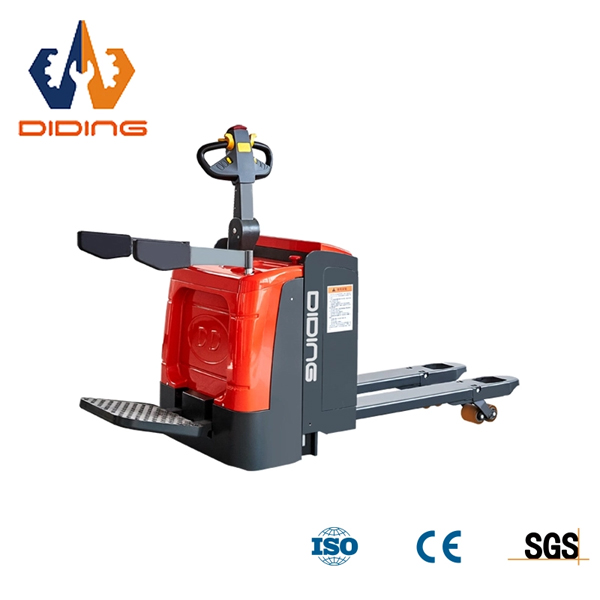
To charge your electric pallet truck battery properly, you need to follow a step-by-step plan that puts safety, speed, and battery life first. To charge something correctly, you must first do pre-charging safety checks, make sure the charging setting meets temperature and air flow requirements, and then use charging equipment that works with the device being charged. Connect the charger according to the instructions from the maker. Use the built-in signs to keep an eye on the charging cycle and let the battery go through its full charge cycle without stopping. These days' electric pallet trucks come with built-in chargers that make the process a lot easier. They also have emergency reverse buttons and strong structures that make the charging process safer.

Understanding the Basics o5f Electric Pallet Truck Batteries
Understanding the basics of batteries is important if you want your material handling tools to work well and last as long as possible. Reliable power sources are very important for modern warehouse operations. The type of battery technology you choose has a direct e
ffect on how well the warehouse works and how much it costs to maintain.
Battery Technology Types in Material Handling Equipment
Electric pallet trucks usually use two main types of batteries, and each has its own benefits for different work situations. Lead-acid batteries are still common in many buildings because they are cheaper to buy and have been shown to work well in harsh conditions. These traditional power sources need to be maintained regularly, which includes checking the water level and running equilibrium charging processes. However, they work the same way in all temperature ranges.
When it comes to material handling, lithium-ion technology is the cutting edge of battery innovation. The charging time is faster, the operating cycles are longer, and these power sources require less upkeep than traditional options. Many makers now offer optional lithium battery upgrades that can boost output by a large amount while lowering the total cost of ownership over the life of the equipment.
Critical Charging Principles and Industry Standards
Safe and effective ways to charge batteries start with managing the power correctly. When it comes to voltage, most electric pallet trucks use common systems that range from 12V to 48V, based on the truck's size and purpose. Knowing exactly what power you need keeps your equipment from breaking and makes sure that charging works at its best.
Controlling the current while the battery is charging keeps the cells from getting damaged and makes the energy flow as efficient as possible. Modern charging systems use advanced current management technologies that change charging rates automatically based on the state of the battery and the temperature of the environment. This smart method increases the battery's life while lowering the risk of burning or cell damage.
Thermal control is an important part of charging batteries safely and efficiently. When batteries are being charged, too much heat can damage them forever and make warehouses unsafe places to be. Professional-grade charging systems can check the temperature and change the charging settings automatically to keep the safe working conditions during the charge cycle.
Impact on Total Cost of Ownership
The total cost of ownership for your material handling fleet is directly affected by how you charge your drivers. The Material Handling Equipment Distributors Association has done studies that show that properly maintaining and charging batteries can increase their life by up to 40%. This can save a lot of money over the life of the equipment.
When charging is managed correctly, downtime is cut down, which leads to higher output and lower running costs. Off road electric pallet truck with built-in chargers reduce the need for charging equipment while still making sure that there is always power for heavy-duty storage tasks. Using a combined method makes managing a fleet easier while still keeping high standards of operation.
Step-by-Step Guide to Charging Your Electric Pallet Truck Battery Correctly
Setting up a regular charging schedule will protect your investment and make sure that your equipment works reliably during important office operations. This all-around method takes into account safety issues, equipment longevity, and operating efficiency by using tried-and-true methods from the business.
Pre-Charging Safety Inspections and Environmental Considerations
Before starting the filling process, safety checks make sure that there are no crashes or damage to the equipment, and that all safety rules are followed. If you look inside the battery area, you shouldn't see any corrosion, loose connections, or other damage that could make charge less safe or less effective.
The environment has a big effect on how well charging works and how safe it is. charge places need to have enough air flow to get rid of any gases that might be made during the charge process. This is especially important for lead-acid battery systems. Temperatures should stay within the ranges recommended by the maker, which is usually between 32°F and 104°F, to get the best charging results and extend the life of the battery.
Checking for electrical safety means making sure that charging equipment works within the right power range and that all electrical connections are still solid and free of rust. Modern electric pallet trucks have emergency reverse buttons that add to their safety and keep workers safe while they are charging and while they are running normally.
Proper Connection Protocols and Monitoring Procedures
Making sure the electrical connections are safe is the first step in charging a battery safely and effectively. Always make sure the electric pallet truck is stable and that the power switch is off before you try to connect any charging equipment. This process keeps equipment from being turned on by mistake and keeps both operators and equipment safe.
By keeping an eye on the charging cycle through built-in lights and safety features, you can get the best results and avoid damaging situations like overcharging. Many new systems have LED lights that show in real time how charging is going, how the battery is doing, and when the job is expected to be finished. Visual signs like these help workers keep charging schedules that work well and don't waste energy.
Professional charging systems can turn off automatically, which keeps batteries from being overcharged and increases their useful life. During the charging cycle, these safety features keep an eye on the battery's voltage and temperature and stop the charging process immediately when the right levels are met. This smart method keeps your investment safe and lowers the chance of damage to tools or safety issues.
Post-Charging Procedures and Operational Readiness
Following the right steps for disconnecting ensures safety while getting tools ready for instant use. After charging is done, let the battery cool for a few minutes before unplugging the charger and starting up the machine. This cooling time stops heat shock and increases the battery's useful life by putting less stress on its internal parts.
Built-in diagnostic systems check that the charging is complete to make sure that the battery has hit the right amount of charge and is ready for tough warehouse work. Modern electric pallet trucks have advanced energy management systems that tell you in great detail how charged the batteries are, how much power they still have left, and how long they will last.
Common Battery Charging Problems and How to Avoid Them
Finding and stopping common charging problems will protect your equipment investment and keep it running at a high level. When procurement managers and repair teams understand these problems, they can come up with proactive solutions that cut down on downtime and make tools last longer.
Overcharging and Undercharging Issues
Overcharging is one of the worst things that can happen to off road electric pallet truck batteries because it breaks down cells too quickly and limits their usefulness. This state usually happens because the charging equipment is broken, the charging process isn't done right, or the tracking systems aren't good enough. The effects are shorter battery life, less operating runtime, and higher replacement prices, all of which have a big effect on the total cost of ownership.
Undercharging is also a problem because it lowers the battery's operating capacity and can cause it to fail early. This usually happens when charging processes are broken or when the charging equipment doesn't provide enough power. Symptoms include less time spent working, less weight that can be lifted, and uneven performance during busy workplace tasks.
A big part of prevention tactics is making sure you follow the right charging steps and use the right charge tools for your battery type and capacity needs. Modern off road electric pallet trucks with built-in chargers get rid of a lot of common charging issues by having charging systems that take care of power, current, and temperature automatically during the charging cycle.
Environmental Factors Affecting Charging Performance
Differences in temperature have a big effect on how well batteries charge and how well they work in different seasons and warehouses. Extremely cold conditions make charging less efficient and can stop batteries from fully charging. On the other hand, too much heat speeds up chemical processes that break down battery parts and shorten their usefulness.
The amount of humidity in charging places affects safety and the life of equipment by changing how electrical connections work and how quickly things rust. Places with a lot of humidity need more air flow and may need to be inspected and maintained more often to avoid link issues and make sure everything works properly.
Different types of batteries and charging systems need different amounts of ventilation. When lead-acid batteries are being charged, hydrogen gas is released. This gas needs to be able to escape so that it doesn't build up and cause safety issues. Electric vehicles that use lithium-ion batteries usually give off fewer pollutants, but they still need good air flow to keep the right temperature.
Preventive Maintenance Strategies
Scheduling regular inspections helps find problems early on, before they cause machine failures or safety issues. During monthly eye checks, electrical connections should be checked, the battery housing should be looked at for signs of damage or corrosion, and the charging equipment should be checked to make sure it works normally.
Cleaning methods get rid of dust, dirt, and corrosive layers that have built up and are getting in the way of electrical connections and heat transfer. To keep sensitive computer parts or safety systems from getting damaged, use the cleaning products and methods suggested by the maker.
Charging systems are calibrated so that they can be accurately monitored and controlled while they are charging. A lot of modern systems can be calibrated automatically, but some need to be calibrated by trained experts on a regular basis. This repair task makes sure that charging works perfectly and increases the life of both the battery and the equipment.
Optimizing Your Electric Pallet Truck Battery Charging: Advanced Tips and Solutions
Advanced charging optimization methods use cutting-edge technology and careful planning to get the most out of batteries while keeping costs as low as possible. Companies that focus on business efficiency and long-term cost management can gain a competitive edge by using these advanced methods.
Smart Charging Technologies and Battery Management Systems
Intelligent charging systems use complex algorithms that constantly check the state of the battery and change the charging settings automatically to get the best performance and life. These systems look at things like temperature, voltage, current, and the past of charges to figure out the best way to charge each battery.
Battery Management Systems (BMS) let you watch and diagnose things in real time, which lets you do preventative maintenance and keep expensive devices from breaking down. These high-tech systems keep an eye on battery health indicators, guess how long the batteries will last, and give thorough reports that help with data-driven fleet optimization strategies and maintenance choices.
Integration with warehouse management systems lets charging schedules be organized so they work with practical needs and keep energy costs low by managing demand and shaving off peak hours. This complex method makes the best use of both tools and energy to get the most out of operations.
Cost-Benefit Analysis of Charging Infrastructure Investments
When looking at upgrade choices, it's important to look at both the short-term and long-term costs and rewards. Most of the time, investing in new battery technology pays off in a big way: less upkeep, better operational efficiency, and longer service life more than make up for the higher starting costs.
Energy management systems can lower the cost of charging by using smart scheduling to take advantage of cheaper energy rates during off-peak hours and make sure that equipment is available during key operating times. Most of the time, these systems pay for themselves just by saving money on energy costs. They also offer extra benefits by making tools more reliable and efficient.
When upgrading infrastructure, plans for future growth and changing working needs should be taken into account. Scalable charging solutions can handle teams that are getting bigger and can be changed to meet new organizational needs and technological advances.
Supplier Partnership and Support Considerations
When you have good relationships with your suppliers, you can get technical help, genuine replacement parts, and a wide range of support services that help your tools work better and keep your operations running smoothly. Established makers offer in-depth training programs that help repair teams improve the way they charge and fix common issues.
Total cost of ownership is affected by warranty terms and after-sales help in a big way by how they affect maintenance costs and machine downtime. A full warranty should cover both the equipment and the battery, and expert help and replacement parts should be easy to get so that there are as few interruptions to operations as possible.
Charging methods work at their best for as long as they are used because they get ongoing technical help. As part of this help, software changes, calibration services, and access to new technologies that can make charging even better and operations run more smoothly are all included.
Conclusion
In many job and material handling situations, how well electric pallet trucks work, how long their batteries last, and how much they cost to own all depend on how the batteries are charged. This guide gives you a step-by-step plan that uses tried-and-true ways to improve battery performance while also taking important safety issues into account. Modern improvements in charging technology, such as chargers that are built in and smart battery management systems, make it easier to charge more reliably and in more ways. For companies to get the most out of their tools while keeping costs low and returns high, they need to charge appropriately, do regular maintenance, and work with reliable suppliers.
FAQ
How long should I charge my electric pallet truck battery?
Charging time varies on the type of battery and how much power it has. Lead-acid batteries usually need 8 to 12 hours to fully charge, while lithium-ion systems usually only need 4 to 6 hours. To get the most out of your battery and make sure it lasts as long as possible, always follow the manufacturer's instructions and don't stop charging cycles.
Can I use my electric pallet truck while the battery is partially charged?
Yes, lithium-ion batteries can be charged when they're not fully charged, which means they can still be used. But lead-acid batteries work better after being fully charged several times. Do not use equipment whose batteries are very low, as this can damage the batteries and make the equipment less safe to use.
What temperature conditions are best for charging electric pallet truck batteries?
Between 32°F and 104°F (0°C and 40°C) is the best temperature for charging. Extreme temperatures make charging less effective and can hurt battery parts. Make sure that places for charging have enough air flow and temperature control to keep these conditions throughout the charging process.
How often should I perform maintenance on my electric pallet truck charging system?
As part of monthly eye checks, connections should be checked, terminals should be cleaned, and charging equipment should be checked to make sure it works properly. Lead-acid systems need more care, like checking the water level and the specific gravity, more often. Lithium-ion systems, on the other hand, only need to be cleaned and connected to be maintained.
Optimize Your Fleet Performance with Diding Lift Electric Pallet Trucks
Diding Lift's advanced electric pallet truck options can change the way you move materials. These trucks have built-in chargers that make charging easier and increase your business uptime. Our equipment has strong structural designs that make it very stable and reliable. It has emergency reverse buttons, fork setups that can be changed, and lithium battery upgrades that can be added. As a reliable electric pallet truck manufacturer with 12 years of experience, we offer full support, from the initial meeting to ongoing upkeep. Email our sales team at sales@didinglift.com to find out how our cutting-edge solutions can help you run your business more efficiently and save you money on the total cost of ownership.
References
Johnson, Mark R. & Stevens, K.L. (2023). «Best Practices for Industrial Battery Management for Material Handling Equipment» in the Journal of Warehouse Technology, Vol. 45, pp. 78–95.
Sanchez, A.C. (2024). "Lithium-Ion Technology in Material Handling: Performance Analysis and Cost Implications." Industrial Engineering Quarterly, Vol. 38, No. 2, pp. 113–128.
Wei Chen, David J. Thompson, and Sarah A. Miller. (2023). "A Full Guide to Safety Protocols for Electric Material Handling Equipment." Occupational Safety Review, Vol. 29, pp. 203-219.
Anderson and P.K. & Williams, R.T. (2024). "Power Management Systems in Modern Warehouses: Making the Most of Battery Charging Systems." Supply Chain Technology Journal, Vol. 52, No. 3, pp. 45–62.
They are Davis, L.M., Garcia, F.P., and O'Brien, T.R. (2023). "Total Cost of Ownership Analysis for Electric Pallet Truck Fleets." Material Handling Management, Vol. 67, pages 89–104.
Vinay V.S. H.E. Jackson & Co. (2024). This article from Industrial Maintenance Quarterly talks about "Preventive Maintenance Strategies for Electric Material Handling Equipment." 41, No. 1, pp. 156–171.