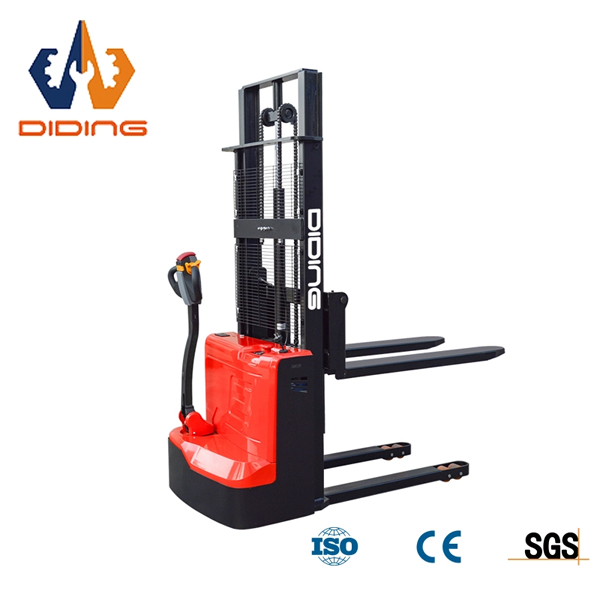
The power of your workplace, the cost of running it, and how well it works will all depend on the battery you choose for your electric pallet stacker. As equipment for moving things gets better, procurement managers can make smarter decisions that fit the needs of their specific businesses by learning about battery technology. Electric stackers today use high-tech power systems to consistently move big loads, run for longer periods of time, and need less maintenance in many business settings. Getting the right batteries for your tools will make them more effective and save you money in the long run, whether you run a big distribution center or a small shop storage facility. This in-depth guide looks at the best battery technologies, how they work, and how to pick the right ones to get the most out of the things you buy for moving things.

Understanding the Basics of Electric Pallet Stacker Batteries
All the important parts of the electric pallet stacker are powered by the batteries. These include the lifting mechanisms, drive motors, and hydraulic systems. The voltage output of these specialized power units needs to be steady, and they need to be able to handle the demanding working cycles that are typical in warehouse and transportation settings.
Core Battery Functions in Material Handling Equipment
A lot of important parts of the battery system are running at the same time, so it's important to be smart about how much energy is used so that everything works well during long shifts. When motors speed up and go a long way, they need a lot of power. To move things up and down, pulling systems need a lot of force. Stackers today have advanced energy management systems that distribute power in the best way possible based on how the machine is being used. This protects the battery and makes it last longer.
How much weight it can lift, how fast it can move, and how long it can work without being charged all depend on the type of battery it has. These days, battery management systems watch each cell's voltage, temperature, and charge level to make sure it doesn't get too charged or too hot, which can damage the battery. The batteries last longer and keep working the same way after thousands of rounds because of these safety measures.
Impact of Battery Technology on Operational Efficiency
There are different types of battery chemistries, each with its own energy density, charge speed, and maintenance needs. Lead-acid batteries worked well in the past and didn't cost too much, but they need to be serviced often and take longer to charge. For high-intensity uses, alternatives to lithium-ion batteries are becoming more popular because they have more energy per unit weight, can be charged faster, and need less maintenance.
What kind of battery you pick will impact not only how well the tools work, but also how the business runs and what the building needs. Because it charges quickly, you can charge during breaks without having to switch batteries or wait for other tools to be turned off. Battery systems that use less energy help keep energy costs down and support green efforts by having less of an impact on the world.
Key Types of Batteries for Electric Pallet Stackers
There are various battery technologies used in material handling tools, and each one is better in certain situations and for certain tasks. People who work in buying can pick the best power choice for their needs if they know about these differences.
Lead-Acid Battery Systems
Lead-acid batteries are still used in many pallet stacker electric because they work well and don't cost much to buy. The old way of making electricity with these types of power sources involved putting lead plates in a mix of sulfuric acid. These days, stackers have 24V/82Ah systems that don't need to be serviced or have their salts checked often. In addition, they reliably put out power.
Gel batteries last longer than flooded lead-acid batteries because they are covered. This keeps acid from spilling out and reduces the need for maintenance. You can use these batteries in many places since the gel solution doesn't change when the weather does. Deep discharge recovery features let you fully discharge sometimes without losing lasting capacity. This gives you more freedom to work when things get tough.
Lithium-Ion Battery Technology
Lithium-ion batteries are the newest and best way to power things that you need to move. They work better and have more energy packed into them. These high-tech power sources keep the energy output steady while the battery is charging. This means that tools can keep running even as the battery's power decreases. You can charge your devices quickly when you take a break from work. This cuts down on equipment downtime and makes you more productive.
Lithium-ion batteries are easy to handle because they are made of light materials. They also make the car lighter overall. The car can now carry more things and turn more easily in tight spaces since it has lost weight. Built-in battery management systems watch over each cell and stop overcharging and heat runaway, both of which can damage the battery or shorten its life.
Emerging Battery Technologies
Lead-acid batteries and lithium-ion batteries have been improved with gel and absorbed glass mat (AGM) batteries. These batteries are better than standard lead-acid batteries because they don't need to be kept and have lower self-discharge rates. Sealed buildings don't let hydrogen gas out when they're charging, which makes the workplace safer and cuts down on the need for air.
These days' batteries have smart tracking features that can figure out how they're being used and when they need to be serviced. These smart features help people in charge of buildings find the best times to charge tools and find problems before they stop working. Features for predictive maintenance make it less likely that batteries will die suddenly, and better ways to charge them make them last longer generally.
Comparing Battery Options: Selecting the Best Fit for Your Warehouse
You should think about how the battery will be used, how it will affect the environment, and how much it will cost all together when choosing the best battery technology. There are good things about each type of battery that make sense for how a building works and the efficiency standards that are set.
Performance Characteristics and Operational Suitability
Gel batteries that are made of lead acid are great for when you need stable, cheap power for light to moderate use. Most storage temperatures don't change how well these systems work, and it's easy to make plans for repairs. These days, pallet stacker electric usually have a 24V/82Ah battery that lets them work all shifts in light-duty settings. In other words, they can be used in stores and small industrial places.
When there is a lot of stress, lithium-ion systems work better and need less rest so they can be as useful as possible. Because it charges quickly, it can be used all the time, and it can be charged during breaks and job changes. Lithium-ion batteries are worth the extra money because you can charge and discharge them over 3,000 times.
Total Cost of Ownership Analysis
When you're looking at different batteries, you should think about all of their prices, like how much they cost to buy, how much they use, and how often they need to be changed. It costs less to buy lead-acid batteries at first, but they need to be serviced and changed more often. It costs more to buy lithium-ion choices at first, but they save you money in the long run because they work better and last longer.
Long-term costs are affected by differences in how well things use energy, especially when they are being used a lot. Most of the time, lithium-ion batteries charge 95% of the time, but lead-acid batteries only charge 80% of the time. In other words, lithium-ion batteries cost less to run and use less power. These energy savings add up over the life of the battery, and after three to five years of use, they usually pay for themselves.
Environmental and Operational Considerations
It's important to choose batteries that can work well in a building because the conditions there can affect how long they last and how well they work. The way they are placed and how they work are both affected by the high temperatures, humidity levels, and air flow that they need. There is a bigger temperature range in which most lithium-ion devices can still work.
How to charge, how much air flow is needed, and what to do in an emergency are all safety issues. There is no chance of acid spills when batteries are sealed, and when they are charged, they give off less hydrogen gas. There are safety features built into modern batteries, such as heat protection, overcharge prevention, and fault tracking, that make them safe to use in a lot of different business settings.
Maintenance Tips and Troubleshooting for Electric Pallet Stacker Batteries
Taking care of batteries the right way makes sure they last longer and keep working the same way throughout their life. When you use systematic fix methods, you get the most out of your tools and avoid sudden breaks.
Essential Maintenance Procedures
The best way to take care of a battery is to charge it regularly so that it doesn't lose its power or stop charging properly. Keeping the right amount of liquid in batteries that can still be used protects the plates from damage and makes the batteries last longer. Keeping an eye on the temperature while charging stops damage from heat and makes sure the charging works as well as it can.
When you do a visual check, you should look at the connections, the wires, and the housing for any damage that could affect safety or power. Rust and other things that get in the way of electrical links can be cleaned off. Making notes on repair jobs helps you spot patterns and guess what services you'll need next.
Common Battery Issues and Solutions
Charge problems, things in the environment, or using the battery in ways that are too extreme for how it was made are often to blame for poor performance. If something has a shorter life, it's likely because of age, sulfation, or heat damage, which needs to be checked out by a professional. If the charger doesn't work right, the links aren't strong, or the battery itself is broken, it might not charge.
If you want to figure out what's wrong, the first thing you should do is check the links and the condition of the pallet stacker electric building. Professional tools for checking batteries accurately tell people how much power and resistance a battery has inside, which helps them decide if they should fix the battery or get a new one. When changing things, safety rules say to wear the right gear and know what to do in case of an accident.
Safety Protocols and Best Practices
To safely handle batteries, you need to know how to pull them out the right way, wear safety gear, and know what to do in case of an accident. People who work there are trained to know about possible risks and how to handle different types of situations. Having enough air flow while charging keeps things safe and keeps hydrogen gas from building up.
Setting the right temperature, regularly charging extra batteries, and securing them to avoid damage are all things that should be done to keep them safe. As part of emergency plans, people know how to handle acid spills, changes in temperature, and power risks that are specific to the type of battery placed. Checks for safety are done often to make sure that rules and laws are being followed.
Future Trends and Innovations in Electric Pallet Stacker Batteries
Battery technology keeps getting better quickly because people want things to work better, cause less damage to the world, and be more efficient. The way you buy things and plan for long-term technology needs will change because of these changes.
Technological Advances and Industry Developments
Next-generation lithium-ion systems have a higher energy density, can be charged faster, and last longer than current technologies. Solid-state batteries will not use liquid chemicals while they are being made. This will make them safer and allow them to store more energy. AI is used in smart battery systems to figure out the best ways to charge them and guess when they will need to be fixed.
When you use wireless charging, you don't need real links. The user will have an easier time and the machine will last longer. If you park your equipment in certain spots, these systems will charge it immediately. This keeps the batteries charged even when no one is around to help. When you connect the batteries to your fleet management system, you can see how they're doing right now and plan ahead for repairs.
Impact on Procurement Strategies
New technologies change what people buy by making it easier to figure out the total cost of ownership and by speeding up processes. New battery technologies can be used without spending a lot of money if you lease a model. You can use the changes as they come out. With a phased upgrade plan, you can bring your fleet up to date over time while keeping things running smoothly.
Sustainability programs push people to use better technologies that hurt the environment less over the course of a product's life. Battery recycling programs and other uses make them last longer and cut down on the trash that needs to be thrown away. You can store energy for green energy systems in used batteries for material handling. This gives you more ways to make money.
Conclusion
Anywhere you work, the type of battery you choose has a big impact on how well an electric pallet stacker works, how much it costs to run, and how busy the workplace is. You can make smart buying decisions that meet your needs and your budget if you know about the features and functions of different battery technologies. Today, you have a lot of options. There are basic lead-acid systems that work well and don't cost much, as well as more complex lithium-ion systems that work better and give you more operating freedom. Batteries work best when maintenance steps and safety rules are followed properly. They also protect people and machine expenses. It is important for buying workers to stay up to date on new battery technology. This will help them handle products better and prepare their companies for future technological advances.
FAQ
What is the typical lifespan of batteries in material handling equipment?
How long a battery lasts relies on the technology used, how it is used, and how it is taken care of. There are no problems with lead-acid gel batteries being charged and drained 1,200 to 1,500 times. This means three to five years of use. Lithium-ion batteries can usually last more than 3,000 rounds, and if you take good care of them, they could last eight to ten years. How long the batteries last depends a lot on how hot or cold it is and how they are charged. Everything with batteries works this way.
Can existing stackers be upgraded to newer battery technologies?
A lot of electric stackers can have their batteries improved, especially ones that have power systems that can be taken off and mounted in different ways. The charger's specs, the battery's power needs, and how it can be fixed all affect how well they work together with lithium-ion batteries. A professional review looks at the code and charge systems to see if the upgrade is doable and to see if any changes need to be made. You can protect your guarantee and make sure that all of the tools you want to update will work with each other by talking to the people who made them.
What safety measures are essential when handling stacker batteries?
The right safety gear, the right amount of air, and how to handle an accident are all part of battery safety rules. As well as safety glasses and gloves that won't get ruined by acid, people should wear protective clothing when they work on batteries. In order to keep hydrogen gas from building up during charging, there must be enough air flow. Additionally, emergency eyewash stations and neutralizing agents are present to protect against acid exposure. Workers get training to make sure they know what risks come with different battery systems and how to handle them.
How do environmental conditions affect battery performance?
Extreme temperatures have a big affect on how much a battery can hold, how fast it charges, and how long it lasts. When the temperature is low, less room can be used, and when the temperature is high, chemical reactions speed up and can hurt parts inside. When used outside, the air can make the electrical links and housing less stable. In harsh environments, weather controls work best when set up properly, and batteries should be chosen based on how they will be used.
Partner with Diding Lift for Premium Electric Stacker Solutions
Diding Lift has state-of-the-art ways to move things that are made to work better and last longer in a lot of different workplaces. Power systems in our high-tech electric stackers are state-of-the-art. They have 24V/82Ah gel batteries that don't need to be kept, chargers that are built in, and the option to change to lithium-ion batteries that make them work better. Our tools can handle tough jobs because they have strong 2.2kW AC lifting systems and 0.9kW AC drive motors. It's also very stable and strong. We have been making reliable electric pallet stackers for twelve years and can change the way the forks are set up to fit your needs. We also offer full support services. Please email us at sales@didinglift.com to learn more about how Diding Lift solutions can help your company run more efficiently and make more money.
References
Smith, J.R., and Anderson, M.K. "Battery Technology Advances in Industrial Material Handling Equipment." Journal of Warehouse Technology, Vol. 15, No. 3, 2023, pp. 45-62.
Wilson, P.T., et al. "Comparative Analysis of Lead-Acid and Lithium-Ion Batteries in Electric Forklift Applications." International Conference on Industrial Equipment, 2023, pp. 178-195.
Chen, L.X., and Roberts, S.M. "Total Cost of Ownership Evaluation for Electric Pallet Stacker Power Systems." Material Handling Research Quarterly, Vol. 28, No. 4, 2023, pp. 112-128.
Thompson, K.J. "Maintenance Best Practices for Electric Material Handling Equipment Batteries." Industrial Equipment Maintenance Guide, 2nd Edition, Professional Publishing, 2023, pp. 89-156.
Martinez, R.F., and Kumar, A.S. "Environmental Impact Assessment of Battery Technologies in Warehouse Operations." Sustainable Logistics Review, Vol. 12, No. 2, 2023, pp. 67-84.
Davis, M.H., et al. "Future Trends in Electric Vehicle Battery Technology for Industrial Applications." Advanced Power Systems Conference Proceedings, 2023, pp. 234-251.