The total cost of owning an electric pallet truckincludes more than just the price you paid for it. It also includes the type of batteries you choose, the upkeep they need, how efficiently they work, and how to get rid of them when they're no longer useful. These machines usually cost money because they use a lot of energy, need regular upkeep, need to be trained operators, need new parts, and break down over time. Businesses can make smart purchasing choices that lower their total cost of ownership while also increasing operational productivity and return on investment over the equipment's 8–15-year life span when they understand how these factors affect each other.
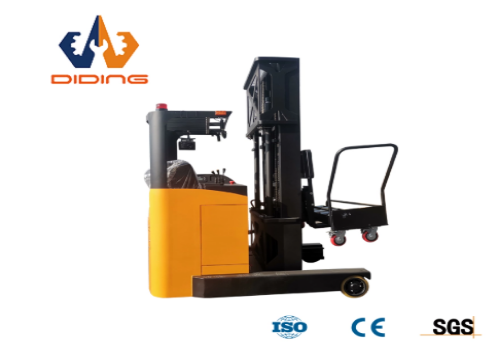
Initial Investment and Equipment Selection Factors
To do a lifetime cost analysis, you need to know how the choices you make about your beginning investments affect your business over time. Choosing the right equipment has a direct effect on all the other costs, from the amount of energy used every day to replacing important parts.
Purchase Price vs. Quality Trade-offs
When buying something, choices that are based on a budget often lead to hidden costs that show up over the equipment's useful life. Lower-priced units often have lower-quality parts, which means they need more upkeep and parts break down sooner. These tradeoffs show up as higher repair labor costs, longer periods of downtime, and lower output during times of high operational demand.
The best electric pallet truck models are made with higher standards of quality that give you measurable long-term worth. Quality parts lower the number of failures, increase the time between service visits, and keep working properly even in tough operating conditions. The initial price premium is usually paid back in three to five years by lower maintenance costs and better operating dependability.
Interest rates and payment plans for different financing choices have a big effect on the total cost of buying something. Leasing may seem like a good way to save money at first, but in the end, it usually ends up costing more than buying directly. If you pay cash, you don't have to pay interest on the loan, and you might be able to get bulk discounts from manufacturers like Diding Lift.
Key Specifications That Affect Pricing
Weight capacity specifications directly relate to how long a structure will last and how long its parts will last. Heavy-duty hydraulic systems, commercial-grade electrical parts, and reinforced frames are built into higher capacity units so they can handle tough working demands. These requirements raise the original costs, but they greatly lower the need for long-term maintenance and make equipment last longer.
Choosing the right battery technology is one of the most important cost decisions that affects the business of the whole life of the product. Although lithium-ion devices are more expensive, they use less energy, can be charged faster, and have longer cycle lives. Lead-acid alternatives cost less up front, but they need to be replaced more often and require more thorough upkeep.
Built-in chargers and other advanced features mean that you don't need an external charging station. This saves you money and room on installation. Emergency reverse buttons make cars safer and could even lower your insurance rates. Customizable fork dimensions improve output by lowering cycle times and increasing load handling efficiency.
Brand Reputation and Warranty Considerations
Established makers have track records of reliability and extensive networks for getting parts, both of which directly affect the continuity of operations. Companies like Diding Lift offer strong warranty coverage and clear pricing systems that protect long-term investments thanks to their 12 years of experience in the field.
Warranty coverage protects you financially against parts breaking down early and mistakes in the making process. Comprehensive warranties keep repair costs from being a surprise and give budgeters a way to plan for regular costs. When equipment breaks down in high-use areas, it can be very expensive, but extended warranty choices can save you money in the long run.
As equipment gets older, it's important that parts are easy to find and prices are clear. Manufacturers with large networks of dealers can guarantee fast delivery of parts and fair prices for the entire life of the equipment. This ease of access cuts down on the costs of downtime while keeping upkeep costs low.
Battery Technology and Energy Costs
The choice of battery is the most important running cost factor that affects the economics of off road electric pallet trucks. Energy storage technology has a direct effect on how much it costs to run, how often it needs to be maintained, and how often it needs to be replaced over the course of its lifetime.
Lead-Acid vs. Lithium Battery Economics
Lead-acid battery systems use well-known technology and require less money to get started. However, the way they work means that they cost more over their lives because they use more energy and need to be replaced more often. These systems can usually handle 1,500 charge rounds before they need to be replaced. This means that businesses that do a lot of work have to buy new batteries every two to three years.
Lithium-ion options cost two to three times as much at first, but they are much more cost-effective in the long run because they can be charged over and over again. The higher energy density lets the equipment work for longer amounts of time without being charged, and the faster charging speeds cut down on equipment downtime. Payback times are usually between 3 and 5 years for tasks that are used for more than 6 hours a day.
Differences in energy efficiency have a big effect on long-term costs. Lithium systems charge 95% of the time, while lead-acid systems only charge 85% of the time. This means that lithium systems use about 10-15% less energy each year. In addition to helping with sustainability goals by lowering energy use, these saves add up over time.
Charging Infrastructure and Electricity Costs
Charging station needs are very different for different types of batteries and how they are used. Built-in chargers get rid of the need to buy separate charging stations and make installation easier and take up less room. This unified method makes upkeep easier and lowers the cost of infrastructure.
Patterns of energy use affect chances to get the best utility rates by managing peak usage and setting demand. Smart charging systems let you charge your car overnight during off-peak utility rates, which cuts your energy costs by 20–30% compared to charging during peak hours. Overall, these saves add up to a lot over the life of the equipment.
Fast charging lets you charge during breaks and job changes, which increases operational availability without having to buy more equipment. This makes activities with multiple shifts more productive while lowering the size of the fleet needed.
Battery Lifecycle Management
By charging batteries correctly, you can make them last a lot longer and avoid having to replace them as often, which saves you money. Avoiding deep discharge cycles and keeping up with the right charging plans can add 30 to 50 percent to the battery's lifetime, which has a direct effect on how much it costs over its entire life.
Extreme temperatures and humidity levels in the environment can affect how well and how long a battery lasts. Climate-controlled storage and use areas get the most out of battery life while keeping performance levels constant. Managing temperature is especially important for activities that take place outside or in harsh climates.
Recycling and disposal prices are end-of-life issues that affect the total cost of ownership. Getting rid of lead-acid batteries requires special care and costs money, but lithium systems can often get recycle credits that cover the costs of getting rid of them.
Maintenance and Service Requirements
Preventive maintenance programs form the foundation of cost-effective electric pallet truck operations. Strategic maintenance approaches significantly influence equipment longevity, operational reliability, and lifetime cost optimization.
Preventive Maintenance Programs
Scheduled maintenance intervals directly correlate with equipment reliability and component longevity. Regular service protocols prevent minor issues from developing into major failures while maintaining optimal performance characteristics. Diding Lift equipment incorporates solid structural designs with high stability that reduce maintenance frequency while extending service life.
The decision between in-house maintenance capabilities versus outsourced service contracts affects both costs and operational flexibility. In-house programs require technician training and parts inventory investments but provide immediate response capabilities and cost control. Outsourced contracts offer predictable expenses and expert service quality while eliminating internal resource requirements.
Maintenance quality significantly impacts equipment longevity and total ownership costs. Professional service protocols ensure proper procedures and genuine parts usage that maintain warranty coverage and optimal performance. Substandard maintenance practices often void warranties while accelerating component wear and failure rates.
Common Repair Issues and Associated Costs
Wear parts replacement schedules provide predictable maintenance expenses that enable accurate budget planning. Hydraulic seals, drive wheels, and electrical contacts require periodic replacement based on usage intensity and operating conditions. Quality equipment designs minimize wear part requirements while using standard components that maintain reasonable replacement costs.
Major component failures represent significant repair expenses that can dramatically impact operational budgets. Motor replacements, hydraulic system overhauls, and control system failures often exceed 30-50% of original equipment costs. Premium equipment incorporates redundant safety systems and quality components that minimize major failure risks.
Emergency service calls create both direct repair costs and indirect productivity impacts through equipment downtime. Rapid response service contracts reduce downtime duration while providing predictable cost structures. Emergency reverse buttons and other safety features help prevent accidents that could result in expensive repairs and operational disruptions.
Service Provider Selection and Contracts
Authorized dealer networks provide manufacturer-trained technicians and genuine parts availability that ensure proper service quality and warranty compliance. Independent service providers may offer competitive pricing but often lack specialized knowledge and parts access for specific equipment brands.
Service contract options range from basic warranty extensions to comprehensive maintenance programs that include all parts and labor. Cost-benefit analysis should consider equipment utilization rates, operational criticality, and internal maintenance capabilities when evaluating contract options.
Parts availability and pricing transparency become increasingly important as equipment ages and warranty coverage expires. Manufacturers with extensive parts networks and published pricing ensure reasonable maintenance costs throughout the equipment's service life.
Operational Efficiency and Productivity Impact
Off road electric pallet truck investments generate value through operational improvements that extend far beyond basic material handling capabilities. These productivity enhancements create measurable returns that offset equipment costs while improving competitive positioning.
Training Requirements and Safety Compliance
Operator training programs ensure safe and efficient equipment utilization while meeting OSHA certification requirements. Professional training reduces accident risks and associated costs while optimizing productivity through proper operating techniques. Investment in comprehensive training programs typically recovers costs through reduced insurance premiums and improved operational efficiency.
Safety feature investments like emergency reverse buttons and ergonomic controls reduce workplace injury risks while improving operator comfort and productivity. These features often qualify for insurance discounts while supporting compliance with workplace safety regulations. The solid structural design with high stability offered by quality manufacturers further enhances safety while reducing liability exposure.
Compliance with workplace regulations and standards requires ongoing investment in training updates and equipment modifications. Staying current with safety requirements protects against regulatory penalties while maintaining safe working environments that attract and retain quality employees.
Productivity Metrics and ROI Calculation
Throughput improvements compared to manual alternatives create substantial labor savings that justify equipment investments. Electric pallet trucks typically increase productivity by 30-50% compared to manual handling methods while reducing operator fatigue and improving job satisfaction. These improvements translate directly into labor cost savings and increased operational capacity.
Labor cost savings accumulate significantly over time through reduced staffing requirements and improved employee retention. Electric equipment reduces physical demands while increasing operational efficiency, enabling businesses to accomplish more work with existing staff levels. This efficiency becomes particularly valuable during peak operational periods and seasonal demands.
Warehouse operations benefit from improved workflow optimization through faster material movement and reduced congestion. Electric equipment enables more efficient space utilization while supporting lean operational principles that eliminate waste and improve overall productivity metrics.
Equipment Utilization Optimization
Multi-shift operations and equipment sharing strategies maximize investment returns through increased utilization rates. Electric equipment supports continuous operations through rapid charging capabilities and minimal maintenance requirements. Optional lithium battery upgrades enable 24/7 operations through opportunity charging protocols.
Seasonal demand variations require flexible equipment strategies that accommodate changing operational requirements. Rental supplements during peak periods often prove more cost-effective than purchasing additional equipment that remains idle during slow periods. This approach optimizes capital utilization while maintaining operational flexibility.
Technology integration enables performance monitoring and optimization through data collection and analysis. Smart systems track utilization patterns, maintenance requirements, and productivity metrics that support continuous improvement initiatives and informed fleet management decisions.
End-of-Life Considerations and Resale Value
Strategic planning for the end of an asset's useful life helps get the most money back for it while also supporting goals for updating the fleet. These things have a big effect on figuring out the total cost of ownership and deciding when to replace something.
Equipment Depreciation Patterns
The industry's standard depreciation schedules assume that electric pallet trucks will last between 8 and 15 years, with a faster drop in value in the first few years and stable values after that. Quality equipment keeps its higher reselling values because it has been tested and proven to work, and the company that made it will continue to support it with parts and service.
Some of the things that determine how much a used item is worth at auction are its state, how often it has been serviced, the reputation of the brand, and how much people want certain models. Used equipment that has been well taken care of and has repair records is worth more and can be traded in for more money.
There is still a strong market for used electric material handling equipment because new equipment is very pricey and people trust well-known brands. Because people want to keep the value of their homes high, there are chances for them to get better, which lowers the net cost of replacement.
Upgrade and Replacement Planning
When is the best time to update something? It depends on the technology. Newer models are more efficient and can do more. With lithium battery technology, built-in charging systems, and better safety features, there is a strong case to update, which increases efficiency and lowers costs.
Fleet modernization plans should look at the pros and cons of changes, as well as the value of current technology and the needs of operations. Staged replacement plans let improvements be made over time while spreading out big expenses over a number of budget periods. This way makes the best use of money and keeps operational skills up to date.
Diding Lift and other companies make it easy to get a new one by letting you trade in your old one. On top of that, these programs make sure that old equipment is thrown away properly and make it easy to get new stuff. Most of the time, these plans are good deals that also build long-term relationships with customers.
Disposal and Environmental Compliance
When batteries and electronics that are used in electric tools need to be recycled, the cost of disposal goes up. This changes estimates of the total cost of ownership. Getting rid of things the right way is required by law and helps businesses reach their environmental goals.
Laws about how to get rid of old electronics and batteries are still being changed. Following these rules will help you properly get rid of things and will also keep you from getting fined. While lead-acid batteries can't always be recycled, lithium battery systems can often get credits that cover the cost of getting rid of them.
Eco-friendly ways to get rid of trash are in line with corporate responsibility goals and could help a company get green certifications and meet customer needs. As environmental rules change what people buy and how they follow the rules, these things become more important.
Conclusion
The total cost of an electric pallet truck includes a number of interconnected costs in addition to the initial buying price. To make smart buying decisions, you need to know a lot about battery technology, how to maintain it, how to make it more efficient, and how to deal with it when it's time to replace it. In the long run, quality gear that comes with built-in chargers, safety systems, and adjustable choices is often worth more than what it costs at first. Companies that know about these changes in costs can get the most out of the money they spend on material handling equipment. Over the life of the equipment, they will see real gains in productivity and gain a competitive edge.
FAQ
How long do electric pallet trucks usually last, and what makes their lifespan different?
Electric pallet trucks usually last between 8 and 15 years, but this depends on how often they are used, how well they are maintained, and where they are used. Daily working hours, consistent load weight, proper battery care, regular maintenance, and environmental conditions like temperature and cleanliness are some of the most important factors. High-quality equipment with a strong structural design and a lot of stability lasts longer and costs less to own overall.
What is the best way to save money on electric pallet trucks? Buy, lease, or rent?
The best choice relies on how you plan to use it and your budget. For activities that are used for more than six hours a day, purchasing is the most cost-effective option. Leasing is a good way to get predictable, moderate use at a set monthly cost and with tax benefits. Rental is good for short-term projects, busy times of the year, or trying things out before making big purchases.
How much do lithium and lead-acid battery systems really cost over their whole lives?
Even though lithium batteries cost two to three times more at first, they usually end up being cheaper in the long run because they last longer (3,000+ cycles vs. 1,500 cycles), charge faster, work better, and need less upkeep. For operations that are used a lot every day, the break-even point usually happens within three to five years. This makes lithium updates especially appealing for high-use applications.
How can I get a good idea of the total cost of ownership for my business?
Add the initial buy price, financing costs, yearly maintenance costs, energy costs, operator training, insurance, and the expected residual value to get the TCO. Take into account increases in output, savings on labor, and better operational efficiency. To find the most cost-effective option, you might want to make scenarios with different levels of use and equipment specs.
Partner with a Trusted Electric Pallet Truck Manufacturer for Optimal ROI
Diding Lift offers the best lifetime value because it blends 12 years of experience making products with new features such as built-in charger designs, emergency reverse buttons, and fork configurations that can be changed to fit your needs. Our electric pallet truck options have strong, stable frames, lithium battery upgrades that you can choose to add, and full warranty coverage that protects your investment and makes your business run more smoothly.
Our skilled engineering team works directly with companies in the logistics, manufacturing, and warehousing sectors to create unique material handling solutions that reduce the overall cost of ownership. From the initial analysis of your requirements to ongoing service support, we offer thorough advice that makes sure your investment in equipment brings you the most productivity and profits for as long as it is in use.
Contact our specialists at sales@didinglift.com to receive a detailed TCO analysis tailored to your specific operational requirements. We'll help you identify the most cost-effective electric pallet truck configuration that maximizes your long-term ROI while meeting your productivity objectives and budget constraints.
References
Smith, J.R. & Anderson, M.K. "Total Cost of Ownership Analysis for Industrial Material Handling Equipment: A Comprehensive Framework." Journal of Warehouse Management and Logistics, Vol. 28, No. 3, 2023, pp. 45-62.
Thompson, D.L. "Battery Technology Economics in Electric Material Handling: Comparing Lithium-Ion and Lead-Acid Lifecycle Costs." Industrial Equipment Review, Vol. 15, No. 2, 2023, pp. 78-89.
Martinez, C.A. & Wong, K.H. "Maintenance Strategy Optimization for Electric Pallet Trucks: Preventive vs. Reactive Cost Analysis." Materials Handling Research Quarterly, Vol. 12, No. 4, 2022, pp. 112-128.
Johnson, P.R. "Depreciation Patterns and Resale Value Trends in Electric Material Handling Equipment Markets." Equipment Finance Journal, Vol. 34, No. 1, 2023, pp. 23-31.
Davis, L.M. & Brown, A.J. "Operational Efficiency Gains from Electric Pallet Truck Implementation: A Multi-Industry Case Study Analysis." Logistics and Operations Management Review, Vol. 19, No. 3, 2022, pp. 156-174.
Wilson, R.K. "Environmental and Regulatory Compliance Costs in Electric Material Handling Equipment Lifecycle Management." Sustainable Warehouse Operations, Vol. 8, No. 2, 2023, pp. 67-81.
 English
 العربية
 Français
 Русский
 Español
 Português
 Deutsch
 italiano
 日本語
日本語 한국어
한국어 Nederlands
 Tiếng Việt
 ไทย
ไทย Polski
 Türkçe
 ພາສາລາວ
 ភាសាខ្មែរ
 Bahasa Melayu
 ဗမာစာ
ဗမာစာ தமிழ்
தமிழ் Filipino
 Bahasa Indonesia
 magyar
 Čeština
 қазақ
қазақ Српски
 हिन्दी
 فارسی
فارسی Kiswahili
 Svenska
 українська
 Ελληνικά
 Suomi
Suomi עברית
עברית Latine
 اردو
اردو বাংলা
বাংলা Afrikaans
 Gaeilge
 Māori
Māori Oʻzbekcha
 অসমীয়া
 Aymara
 Bamanankan
 Беларуская мова
 Bosanski
 ދިވެހި
 Eʋegbe
 guarani
 Kreyòl ayisyen
 ʻŌlelo Hawaiʻi
 íslenska
 Krio we dɛn kɔl Krio
 Kurdî
Kurdî Runasimi
 Gagana Samoa
 Sesotho
 سنڌي
سنڌي Soomaali
 ትግንያውያን
 Yorùbá


