People who work with electric pallet trucks have to go through a lot of training to make sure they are good at their jobs and follow all the rules. For worker safety, machine life, and getting the most out of work hours, getting the right training is important in both warehouses and factories. Professional certification programs teach people the specific operating methods, maintenance skills, and emergency action plans they need to keep moving things safely in business settings.
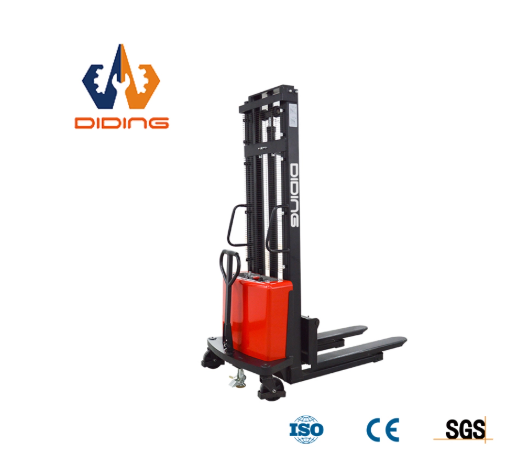
Understanding Electric Pallet Trucks and Operator Training Needs
To keep their material handling processes running easily, modern warehouses rely on electric pallet trucks. To name a few, these high-tech tools come in different styles. Walk-behind models are good for small stores, ride-on models can cover a lot of ground, and heavy-duty models can carry big loads. There are different kinds that can be used for different tasks in different fields.
Types of Electric Pallet Trucks and Their Training Implications
Because they are so easy to move around in small spaces, walk-behind electric pallet trucks are great for retail shops and smaller offices. For workers to be as useful as possible in small areas, they need training that focuses on precise movement and being aware of their surroundings. You need to know how to put loads in these small units and make the best use of hallway room.
When people are trained to use ride-on electric pallet trucks, they need to learn how to keep the platform stable while moving loads over longer distances. It's important to know a lot about these machines' operating systems in order to know how to speed them up or slow them down and how to spread loads.
Heavy-duty models need extra training because they are stronger and can hold more weight. They need to know how the weight is spread, what the structure's limits are, and how to stay safe when working with things that are too big or too heavy.
Advanced Features Requiring Specialized Training
Modern electric pallet trucks have a lot of complicated parts that need special training. Because built-in chargers do the charging for you, workers can keep their batteries charged even during long shifts. To keep things running, you need to know how to handle and charge batteries in the best way.
It's very important to have the backup return button in case something goes wrong. A good way to get the most out of these safety features is to stress the right way to handle situations and being aware of your surroundings in training. Operators learn how to spot possible risks and deal with them by using the right safety methods.
Tools can be used in a lot of different material-handling scenarios because the fork length and width can be changed. People who work with tools must be taught the right way to change its design, check to see if it can handle the load, and do safety checks. People who work on the forks need to know how the loads change when they are set up in different ways.
Key Training Components for Electric Pallet Truck Operators
Comprehensive training programs teach workers new skills by combining what they learn in the classroom with what they do in the real world. Good training starts with safety rules, which cover things like checking before a job, spotting dangers, and what to do in an emergency. People who work with tools need to know these simple skills to keep them and everyone else around them safe.
Safety Protocols and Risk Management
Safety at work starts with careful pre-operation checks that look at things like battery levels, hydraulic systems, and the strength of the structure. What do operators learn to look out for that could be dangerous? Things like broken boxes, loads that aren't stable, and things in the environment that could make operation less safe. The right way to shut down, how to escape, and how to report an accident are all taught in fire safety training.
Before starting to move the material, operators can make sure that the load is stable, that the weight is spread out evenly, and that the area is safe. It is better to stay safe and have things go more easily if you know about load center principles, capacity limits, and stable factors. People who work as operators learn how to tell when something is too full and change things accordingly.
Operational Skills Development
Learning how to move correctly is the most important part of getting real skills. Operators learn how to speed up and slow down smoothly, put things in the right place, and move loads quickly and easily. To move safely through large buildings, you need to know how to figure out clearances, how big your turning loops can be, and how wide the aisles are.
People who are trained in battery management learn how to charge batteries, take care of them, and get the most out of them. When you want to upgrade your lithium batteries, you need to handle and keep them safe in a different way than with regular lead-acid batteries. Operators learn how to get the most out of their batteries so that they work at the same level during operation times.
Maintenance Awareness and Equipment Care
Workers can find common problems and fix them properly if they learn basic fixing skills. Workers can figure out what maintenance needs to be done on equipment before it breaks down if they know the basics of hydraulic systems, electrical links, and mechanical parts. Tools last longer and have less downtime when you do things ahead of time.
Workers learn to recognize signs that equipment is worn out, like hydraulic leaks, strange noises, and signs that it isn't working as well. Repair teams will be told about possible problems as soon as possible if the right reporting procedures are used. This makes things more stable and makes sure that work keeps going in the building.
Compliance and Certification Requirements in Europe and North America
Following the rules is an important part of using off road electric pallet trucks at work that can't be skipped. In the US, OSHA rules say that people who drive driven industrial cars must get certain training, meet certain license requirements, and follow certain safety rules. Groups that know these rules will be sure to follow the law and stay out of trouble with the law.
OSHA Training Standards and Implementation
OSHA requires that formal training programs have parts that teach theory, parts that teach how to do things, and parts that test how well people did. For each site, the training has to cover the tools, working conditions, and needs of running the business that are unique to that location. Some of the things that need to be written down are training records, review results, and ongoing competency tests.
In order to get certified, workers have to pass tests on their knowledge, actual skills, and understanding of safety. Teachers who are qualified must test users on many things, like how to use the tools, follow safety rules, and deal with situations. As part of their job, operators have to get recertified on a monthly basis to keep their information and skills up to date.
European Union Machinery Directive Compliance
In all EU member states, rules stress how important it is to know how to operate tools safely and manage risks at work. Each country sets its own rules for training and licenses, but the Machinery Directive sets the basic safety standards. It is important to know these different needs for actions that take place abroad and the deployment of tools.
In the EU, there are different rules about which training programs are accepted. It is important to pay close attention to the rules and licensing needs in your area. In some places, standardized training programs are accepted, but in others, you have to go through the local licensing process. People who work in B2B buying need to keep these differences in mind when they plan training drills and operations that will take place in other countries.
In-House versus Third-Party Training Options
Companies can either train their own employees or hire outside companies to do it, depending on their needs, the size of their company, and the resources they have access to. There are always in-house programs that can be changed to fit your needs, but it costs a lot to keep the teachers' skills and certifications up to date.
Specialized information, consistent classes, and tried-and-true ways to get qualified can be found from outside training sources. Often, these businesses talk to government bodies and business groups to make sure their training programs match new rules and the best ways to do things.
Comparing Electric Pallet Truck Operator Training to Other Material Handling Equipment
Basic safety rules are taught during training for electric pallet trucks in the same way they are taught for other material handling equipment. But you also need skills that are unique to the tools and the place where you work. It's important to know these differences so that you can make thorough training plans and pick the right people to run different kinds of tools.
Shared Safety Principles Across Equipment Types
For all types of material handling equipment, it's important to know the maximum load, how to keep the equipment stable, and how to spot dangers outside the equipment. People who are used to one type of equipment often learn how to use similar equipment faster because they know how to use it safely and are aware of how it works in real life.
Similar pre-operation checking methods are used for different kinds of equipment. These check for things like structural strength, fluid levels, and how well safety systems work. There are rules for reporting events that apply to a wide range of material handling situations. These rules include the right way to shut down, the best way to escape, and the right way to shut down.
Equipment-Specific Training Requirements
People who work with off road electric pallet trucks need to be taught how to move them around in tight areas, drive them with a low profile, and put things down correctly. You need a different sense of space and placement skills to drive a pallet truck instead of a regular forklift because you have to be able to move things around on the ground. People who drive pallet trucks need to know about the specific load approach angles, spacing standards, and placement accuracy for that type of truck.
To move and lift things, electric pallet trucks need energy, so it's important to keep track of their batteries. You need to know a lot of things that are different from how to run an internal combustion engine in order to understand how batteries work, how to save power, and how to charge them.
Strategic Integration in Procurement Decisions
The operator's level of skill has a direct effect on the process of picking tools and judging sellers. When you compare manufacturers and providers, you should check out things like how easy it is to get training, how good the programs are, and how much help is available all the time. Employers should think about how much the whole training will cost, how well it will work, and how likely it is that the user will be able to advance in the long run.
Big companies stand out by offering full training support, which includes standardized classes, qualified teachers, and learning programs that keep people interested. By dropping the cost of training and making sure that workers are always skilled across all fleet operations, these value-added services change what people buy.
Optimizing Your Investment: Training as Part of Your Procurement Strategy
You get the best return on your investment and lower running risks when you train workers and buy tools at the same time. Smart buying strategies compare the total ownership costs of different equipment options and providers. This includes the costs of training, ongoing education, and keeping certifications up to date.
Total Cost of Ownership Calculations
When you do a full cost analysis, you look at everything: the initial training costs, the ongoing certification costs, and the higher output that comes from properly teaching workers. When workers are properly trained, they get more done, their tools last longer, and mistakes happen less often. In the long run, these things all save a lot of money.
How much training costs relies on how in-depth the school is, what kind of licenses are needed, and how the training is given. Teams need to find a balance between the amount of training they give and how much it costs, all while making sure they follow the rules and safety standards for their work. Many times, bigger fleet deployments save money because they save on volume and get full training packages.
Negotiating Training Packages with Suppliers
Equipment sellers are offering more and more bundled training packages as a way to stand out from others in the same field and help their customers achieve. When compared to companies that only train one person, these deals usually include standard classes, qualified teachers, and ongoing support services for less money.
When you negotiate, you should make sure that there is full training, ongoing help, and the ability to make changes to fit your business's needs. As a way to get business, suppliers may offer flexible training plans, on-site delivery choices, and programs for people who need to brush up on their skills.
Case Studies in Training ROI
Businesses that make things say that detailed training programs help them be safer, run their businesses more efficiently, and make their tools last longer. Standardized training programs for people who drive electric pallet trucks helped a plant that builds cars cut down on crashes involving moving things by 30% and increase warehouse output by 25%.
When distribution centers focus on ongoing operator growth, they always get better results and spend less on machine repair. A lot of the time, these businesses spend money on things like skill testing, regular refresher training, and other things that keep things going easily and make tools last longer.
Conclusion
The strict training requirements for people who drive electric pallet trucks cover a wide range of topics, including safety, operating skill, and following the rules. The best training programs focus on specific pieces of equipment and work situations and include both classroom learning and hands-on practice. Procurement workers should think of training as an investment that pays off in the long run because it affects the equipment that is chosen, the sources that are looked at, and the operations that run smoothly. In a lot of different workplaces, combining training with buying tools makes them more useful because it raises safety standards, boosts output, and lowers the total cost of ownership.
FAQ
How long does electric pallet truck operator training typically take?
To get basic licensing, most training classes take between 4 and 8 hours. For more complicated work settings or tool features, you need more time. There is a full practice review at the end of advanced classes that can last anywhere from 16 to 24 hours.
Are certification requirements different for various pallet truck types?
The walk-behind and ride-on types need to be approved in different ways because they are used for different things and safety fears are different. When it comes to heavy-duty models, most people need extra training that goes over advanced rules for balancing and dealing loads.
What safety violations can proper training prevent?
Common breaches include overloading, loading the truck incorrectly, not doing enough pre-operation checks, and not following set safety rules. When you get thorough training, you are taught in a planned way and shown how to do things in the real world.
Do operators need recertification for electric pallet trucks?
In most places, you have to recertify every three years. When you use new tools or move to a different working setting, you also need more training.
Can training be customized for specific industry requirements?
Professional training providers can make their courses fit the needs of certain industries by including problems that come up in the real world, features of special tools, and law requirements that are important to those industries.
Partner with Diding Lift for Comprehensive Electric Pallet Truck Solutions
Elevate your warehouse operations with Diding Lift's advanced electric pallet truck solutions and comprehensive operator training programs. Our equipment features built-in charger designs, emergency reverse buttons, customizable fork dimensions, optional lithium battery upgrades, and solid structural designs ensuring maximum stability and reliability. As an experienced manufacturer with 12 years of industry expertise, we provide complete training support alongside our high-quality equipment to ensure optimal performance and safety compliance. Contact our team at sales@didinglift.com to discuss customized training programs and equipment solutions tailored to your operational requirements.
References
Occupational Safety and Health Administration. "Powered Industrial Trucks Training Requirements and Safety Standards." U.S. Department of Labor Guidelines, 2023.
European Committee for Standardization. "Safety of Industrial Trucks - Training Requirements for Operators." EN 16307 Standard Documentation, 2022.
Material Handling Industry Association. "Electric Pallet Truck Operator Competency Guidelines." Professional Training Standards Publication, 2023.
International Association of Fire Chiefs. "Workplace Safety Protocols for Electric Material Handling Equipment." Industrial Safety Manual, 2022.
American National Standards Institute. "Training and Certification Requirements for Powered Industrial Truck Operators." ANSI B56.1 Standard, 2023.
National Institute for Occupational Safety and Health. "Ergonomic Guidelines for Electric Pallet Truck Operation." Workplace Safety Research Publication, 2022.
 English
 العربية
 Français
 Русский
 Español
 Português
 Deutsch
 italiano
 日本語
日本語 한국어
한국어 Nederlands
 Tiếng Việt
 ไทย
ไทย Polski
 Türkçe
 ພາສາລາວ
 ភាសាខ្មែរ
 Bahasa Melayu
 ဗမာစာ
ဗမာစာ தமிழ்
தமிழ் Filipino
 Bahasa Indonesia
 magyar
 Čeština
 қазақ
қазақ Српски
 हिन्दी
 فارسی
فارسی Kiswahili
 Svenska
 українська
 Ελληνικά
 Suomi
Suomi עברית
עברית Latine
 اردو
اردو বাংলা
বাংলা Afrikaans
 Gaeilge
 Māori
Māori Oʻzbekcha
 অসমীয়া
 Aymara
 Bamanankan
 Беларуская мова
 Bosanski
 ދިވެހި
 Eʋegbe
 guarani
 Kreyòl ayisyen
 ʻŌlelo Hawaiʻi
 íslenska
 Krio we dɛn kɔl Krio
 Kurdî
Kurdî Runasimi
 Gagana Samoa
 Sesotho
 سنڌي
سنڌي Soomaali
 ትግንያውያን
 Yorùbá


