When planning industrial material handling solutions, understanding the key features to consider in a customized forklift design becomes critical for operational success. Unlike standard forklifts that follow one-size-fits-all specifications, customized forklifts are engineered to meet unique operational demands across warehouses, manufacturing plants, and logistics centers. These tailored solutions address specific challenges such as unusual load shapes, tight aisle configurations, or specialized working environments that standard models cannot efficiently handle. The customization process involves careful evaluation of load capacity requirements, power source selection, safety features, and ergonomic considerations to create equipment that optimizes productivity while reducing operational costs.
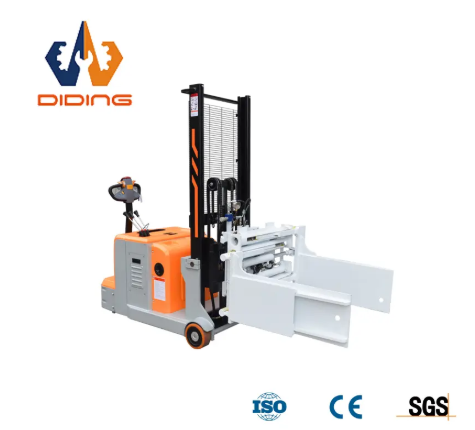
Understanding Customized Forklift Design - Core Concepts and Benefits
Making your own forklift attachments is a smart way to move things that normal tools can't. These well-thought-out tools can solve some problems that regular trucks can't. This makes them very useful in many areas, like moving things, making things, and storing things.
Defining Customized Forklifts and Their Applications
Customized material handling equipment includes things like forklifts that are made to fit the needs of a certain business. Changes can be small, like adding an attachment, or they can be big, like overhauling the tech so that it totally changes how businesses handle materials. In factories, it's helpful to have custom solutions that work well with production lines. To get the most out of high-density storage, shops use unique designs.
The buying staff can be very clear about what they need in a number of areas because truck customization is done in sections. When the load capacity is changed, the equipment is made to fit the size and weight of the things that need to be moved. When deciding between electric, gas, and gasoline power sources, environmental and practical concerns are taken into account.
Key Benefits of Customized Solutions
A lot of companies find that customized material handling technology is worth the money because it helps them run their business better. People are more productive when they make changes to the design that cut down on working time and improve daily flow. When speed goes up, less work has to be done by hand, and process is better optimized. This saves real money.
Making things your own is also a big plus because it keeps them safer. Customized safety features keep both drivers and goods safe, and they take into account the unique natural risks that each business faces. When designs are adjusted for specific working conditions, equipment lasts longer because it doesn't wear out as quickly and doesn't need as much maintenance over its operational life.
Key Design Features to Evaluate When Selecting a Customized Forklift
You need to carefully consider key design factors that have a direct impact on how well the customized forklift works and how much it will be worth in the long run in order to choose the best one. It's smart for people who buy things to know about these features so they can choose tools that meet the needs of the business.
Load Capacity and Lifting Height Specifications
When choosing tools for a job, the most important thing to look at is how much weight they can hold. Modern customized forklifts can move a lot of different types of materials. They can carry loads from 2000 kg to 10000 kg. Businesses don't have to worry about over- or under-engineering the tools they buy because they can make sure they meet all of their needs.
One way to take into account the different ways that storage is set up at different places is to change the lifting height. Customized solutions can work with both low-profile storage systems and high-bay warehouse plans because they can be made to fit lifting heights from 1 m to 2 m. Heavy masts made of steel from Germany keep the building strong and make sure that safety rules are followed at all work heights.
Power Source Selection and Battery Technology
Picking the right power source can have a big impact on how much it costs to run, how well it works, and how environmentally friendly it is. When used inside, electric trucks with lead acid batteries provide steady power and meet the zero-emission standards needed in places like pharmacies and food processing plants. A lot of sites like these old-fashioned battery systems because they have been shown to work well and come with easy-to-follow upkeep steps.
You can get better lithium batteries that use cutting edge technology to do their job better. Lithium batteries must be charged more quickly and need less maintenance than lead acid batteries. They can be used for longer periods of time without being charged. This tech is very useful for businesses that need to cover longer shifts or quickly switch out tools between shifts.
Safety Features and Compliance Standards
When it comes to real risks that are unique to the situation, customized safety features must go above and beyond what is required by law. Sensors that help avoid accidents, stable control systems, and ways to improve vision are all part of modern safety systems that protect workers and people nearby. These qualities are very important in places where a lot of people walk or where the flow of things is difficult.
If you follow safety rules from other countries, you can be sure that your gear will work everywhere. Safety licenses that are tailored to the needs of a certain business, such as those that handle dangerous materials, food, or drugs, are examples of customized choices. These tools help businesses stay out of trouble with the law and avoid cases, so they can keep going.
Ergonomic Design and Operator Comfort
Ergonomics play a big role in how safe and productive a customized forklift is. Ops don't get tired during long shifts when they have better rooms. It's also easier to be precise when changing things around. They will stay with the company longer and do a better job because of these changes to security.
Ergonomics can be changed to fit specific needs, like getting around in a small space or working long hours. Better vision systems, easy-to-use control setups, and seats that can be adjusted all make operators happy and cut down on the time it takes to train new workers.
Comparing Customized Forklifts to Standard Forklifts: Making the Right Decision
When businesses know the differences between standard tools and customized forklift options, they can save money and buy better things. We look at how well and how much different apps cost, along with how well they work in real life.
Performance and Operational Advantages
When standard equipment doesn't work well enough, customized material handling equipment does a better job. When you make changes to the design that fix certain working problems, you get better efficiency by cutting down on handling time and increasing output. These performance improvements are especially clear in places of business that work with unique products or tough circumstances.
Standard forklifts are great for general-use cases where standard specs meet the needs of the job. Use of these units can save businesses money when they need to move small amounts of stuff and stick to standard working procedures. Companies that want to keep costs low and things simple should use standard equipment. This is because it is easy to find parts and service help for it.
Cost-Benefit Analysis and ROI Considerations
When you figure out the total cost of ownership, you need to pay close attention to how the original investment changes for personalized and standard tools. While customized solutions may cost more to set up at first, they often have a higher return on investment (ROI) because they produce more and cost less to run. These savings add up over the life of the equipment because it wears out less often and works better.
Low-cost standard equipment may need extra changes or repairs to work properly, but it costs less to set up. These options might cost more in the long run because they are less efficient or need more maintenance. People who work in procurement have to think about both short-term and long-term spending boundaries and goals when they choose tools.
Application-Specific Suitability
Customized solutions are useful for businesses that need to store things in strange ways or handle things in a certain way. For high-density storage systems, cold storage areas, or automatic warehouse integration, it's common to need features that normal equipment can't offer. The costs of customizing these specialized applications are worth it because they make work more efficient.
In factory settings, tools often need to be customized so they can work with certain materials or production methods. It's not an option to customize when it comes to working with an assembly line, a clean room, or being able to handle dangerous materials.
Selecting and Procuring Your Customized Forklift – A Step-by-Step B2B Guide
If you want to get the best results when you buy customized material handling tools, you should follow a set of steps. This detailed guide shows people who work in finding tried-and-true ways to buy useful tools.
Defining Operational Requirements and Priorities
You need to think about what the project needs to do and how well it should do it in order for customization projects to work. Before making specs, you need to know what the material is made of, how much of it needs to be handled, and what the conditions are where it will be used. This research should look at peak times for business, how things change with the seasons, and how expected future growth might change the need for certain tools.
When you use priority ranking, you can focus on customizing the parts that change how things work the most. The lifting height and load capacity are the most important needs that are looked at. The costs and benefits of ease features are also thought about. This ranking of value makes sure that money spent on customization is well spent and yields good results.
Manufacturer Evaluation and Selection
If you want to choose a maker, you should look at their professional skills, quality certifications, and service support systems. Manufacturers that have been around for a while and have a history of customizing goods lower the risks of the project and ensure that the equipment will work properly. To show that you follow the rules and make high-quality things, you need quality licenses and to meet foreign standards.
Service help is especially important for custom tools that may need different ways to be maintained. Manufacturers promise long-term operating help by having large repair networks and parts supplies. This support system is needed to keep work going and downtime to a minimum for as long as the equipment is useful.
Negotiation and Contract Management
When you bargain well, you think about both the specifics of the deal and the business rules that will protect your company. If you want to make sure there are no mistakes when setting performance standards for acceptance testing, you should have clear written copies of the requirements. You can feel safe using customized equipment because of warranties, service level agreements, and promises that parts will be easy to find.
Working plans and building preparations need to be carefully organized so that delivery dates can be met. Because customized forklift units take longer to get than normal units, it's important to plan the job ahead of time. There should be language in the deal about possible delays, and both sides should know what their responsibilities are during the whole buying process.
Conclusion
With customized forklift solutions, businesses can get powerful tools to deal with specific material-moving issues that regular trucks can't handle well. You should carefully think about the load capacity, power systems, safety features, and environmental problems when choosing equipment. This will make sure that it meets the needs of the business and increases productivity in a way that can be measured. Most of the time, customized solutions are better in the long run because they increase efficiency, lower running costs, and make tools last longer. However, they require bigger initial investments and longer buy timelines.
FAQ
What are the typical lead times for customized forklift delivery?
Sometimes it takes up to sixteen weeks to get customized material handling tools. It depends on how many changes need to be made. It might take less time to make simple changes, like upgrading the batteries or adding simple attachments, than to make more difficult technical changes or special weather adaptations. Timelines are usually more accurate from makers who have been customizing goods for a long time because they know what parts are available and how production plans are going right now.
Which safety certifications should I verify for customized equipment?
The CE mark for use in Europe, the OSHA rules for safety at work, and industry-specific licenses for jobs like handling food or working in an explosive atmosphere are all important health and safety marks. Also, check to see if you are following all the rules for the area and any important rules for your workplace. Before sending out equipment, companies that make it should show proof that it has all the necessary approvals.
Can customized forklifts be upgraded or modified after purchase?
As time goes on, most customized forklifts can be changed or improved. This is especially true for parts like power systems, attachments, and safety features. Many people change their batteries from lead acid to lithium technology after they've bought them, which makes them work better. But the maker might have to agree to changes to the structure or the amount of weight it can hold to make sure safety and performance standards are met.
Partner with Diding Lift for Your Customized Forklift Solutions
Diding Lift has been selling and setting up customized forklifts for 12 years and can help you through the whole process. Our large selection of electric forklifts, stackers, and other material handling tools can be used in a lot of different situations, such as stores, factories, and transportation. Contact our sales team at sales@didinglift.com to discuss your specific requirements and learn how our customized forklift maker can improve the productivity of your material handling operation.
References
Industrial Material Handling Equipment Standards and Customization Guidelines, International Association of Material Handling Engineers, 2023.
Forklift Safety and Performance Standards for Industrial Applications, Occupational Safety and Health Administration Technical Manual, 2023.
Electric Forklift Technology and Customization Trends in Modern Warehousing, Journal of Industrial Engineering and Management, Vol. 16, No. 3, 2023.
Cost-Benefit Analysis of Customized vs. Standard Material Handling Equipment, Supply Chain Management Review, March 2023 Issue.
Battery Technology Advancement in Electric Forklift Applications, International Journal of Industrial Equipment Technology, 2023.
Ergonomic Design Principles for Industrial Material Handling Equipment, American Society of Safety Professionals Guidelines, 2023.
 English
 العربية
 Français
 Русский
 Español
 Português
 Deutsch
 italiano
 日本語
日本語 한국어
한국어 Nederlands
 Tiếng Việt
 ไทย
ไทย Polski
 Türkçe
 ພາສາລາວ
 ភាសាខ្មែរ
 Bahasa Melayu
 ဗမာစာ
ဗမာစာ தமிழ்
தமிழ் Filipino
 Bahasa Indonesia
 magyar
 Čeština
 қазақ
қазақ Српски
 हिन्दी
 فارسی
فارسی Kiswahili
 Svenska
 українська
 Ελληνικά
 Suomi
Suomi עברית
עברית Latine
 اردو
اردو বাংলা
বাংলা Afrikaans
 Gaeilge
 Māori
Māori Oʻzbekcha
 অসমীয়া
 Aymara
 Bamanankan
 Беларуская мова
 Bosanski
 ދިވެހި
 Eʋegbe
 guarani
 Kreyòl ayisyen
 ʻŌlelo Hawaiʻi
 íslenska
 Krio we dɛn kɔl Krio
 Kurdî
Kurdî Runasimi
 Gagana Samoa
 Sesotho
 سنڌي
سنڌي Soomaali
 ትግንያውያን
 Yorùbá


