There is more and more pressure on modern stores and distribution centers to improve operations and boost output. An electric pallet truck changes the way things are moved by automating jobs that used to be done by hand, making operators less tired, and greatly speeding up operations. Businesses can move more goods in less time with these battery-powered workhorses, all while keeping safety standards high and cutting down on labor costs. Today's electric models are very productive in many industrial settings because they have advanced features like built-in chargers, emergency reverse buttons, and fork combinations that can be changed. Using electric pallet handling solutions in a smart way can change how warehouses work, leading to measured gains in output and total operational efficiency.
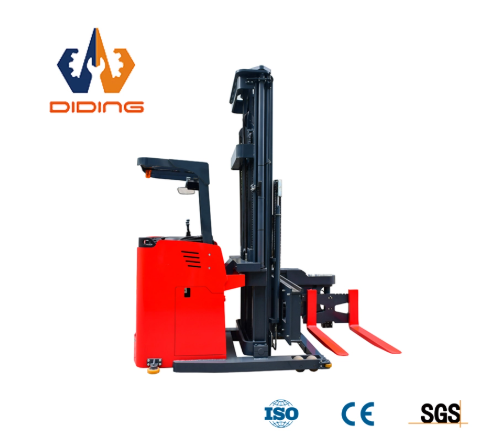
How Electric Pallet Trucks Drive Throughput Improvements?
Figuring out how electric pallet trucks increase throughput is important. One of the best things about electric material handling equipment is that it can do things much faster and more consistently than human equipment, which can be very hard on the body. Electric models have motors that are driven by batteries and hydraulic systems that make it easy to move big loads, while traditional manual units depend on human power alone.
Core Mechanics and Operational Principles
There are a lot of complex parts that work together in electric pallet handling systems. The battery system offers steady power over long periods of use, and electric motors power both the lifting devices and the wheels. Modern control systems let workers precisely control speed, direction, and pulling functions, making the flow of materials smooth and effective.
The hydraulic lifting system reacts right away to operator orders, so there's no need to pump the equipment by hand like with older models. Cycle times are cut down by a lot with this technology, so warehouses can handle more boxes per hour. Modern units have regenerative braking systems that collect energy when the vehicle slows down. This makes the battery last longer and the vehicle run longer.
Electric vs Manual: Efficiency and Productivity Comparisons
Researchers have found that switching from manual to electric units can save 30 to 50 percent of the time needed for normal workplace tasks. This improvement comes from a number of sources, such as faster movement speeds, less operator tiredness, and not having to lift anything by hand. Operators can keep up a steady level of performance throughout their full jobs, while people who do things by hand usually become less efficient as they get tired.
Electric types work best in places where loads need to be moved often over short distances. They let workers move bigger loads with less physical effort, which lowers the risk of harm while keeping throughput levels steady. The benefits of ergonomics directly lead to higher output because workers can use machines for longer periods of time without getting the muscle and bone pain that comes with doing things by hand.
Walk-Behind vs Ride-On Models: Environment Suitability
Walk-behind electric units work great in small stores and other places with narrow aisles. These types are very easy to move around in tight spaces and have the benefits of automation that come with electric operation. Operators stay in direct control of the equipment while going next to it. This makes them good for places where directions need to be changed often and exact positioning is needed.
Ride-on types are used in bigger places where workers often have to go farther. The shape of the platform makes it easy for workers to move loads quickly over large warehouse areas. These units usually have higher capacity rates and better battery systems so they can work for longer amounts of time without losing performance.
Key Factors for Optimizing Performance and Maintenance
To get the most out of your equipment's uptime, you need to set up thorough repair plans and proper working processes for off road electric pallet truck. When electric units like off road electric pallet truck are well taken care of, they work consistently and have less unwanted downtime, which can mess up business operations.
Safe Handling Procedures and Equipment Longevity
Using the right methods has a direct effect on how long equipment lasts and how well it works. Operators should know how much weight an item can hold and not overload it beyond what the maker says is safe. Gradual speeding up and slowing down protects motors and keeps hydraulic parts from getting too stressed. By checking the forks, wheels, and electrical links on a regular basis, you can keep small problems from turning into big ones.
In case of an emergency, safety functions like backward buttons are very important for keeping you safe. When these systems are turned on, they stop the movement of equipment right away. This keeps accidents from happening and protects both workers and goods. Standardized working methods make sure that all shifts and operators handle equipment the same way.
Battery Care and Preventive Maintenance Strategies
Battery upkeep is the most important part of taking care of electric devices. Lithium-ion batteries need to be handled differently than standard lead-acid batteries, but both can benefit from being charged correctly and being checked on a regular basis. Designed with built-in chargers, the charging process is easier and the batteries work better.
Setting up regular review plans helps find problems before they affect operations. Checking the battery charge level, hydraulic fluid level, and the condition of the forks and wheels should all be done every day. As part of weekly upkeep, connections might need to be tightened, cleaned thoroughly, and the system's performance checked. Every month, the system is serviced so that all of its parts can be checked and replaced as needed.
Warehouse Safety Protocols and Compliance Standards
Safety rules that are specific to using electric tools help keep output steady while keeping workers safe. Designated charging places with enough air flow make sure that batteries are maintained safely while still letting tools work. Traffic control systems keep electric units from running into other building equipment or people.
In training classes, people should learn what to do in an emergency, how to put things correctly, and what the limits of the tools are. Certified workers know how to get the most out of their tools while still following safety rules. Regular safety checks help find possible dangers and make sure that rules are still being followed.
Strategic Selection: Choosing the Right Electric Pallet Truck to Maximize Throughput
To choose the best tools, you need to carefully look at your operational needs, the characteristics of the load, and the limitations of your building. Making the right choice has a direct effect on working efficiency and throughput capacity.
Load Capacity Assessment and Operational Scale Matching
Knowing the real load needs helps find the right capacity rates without spending too much on features that aren't needed. Looking at average pallet weights, load distribution trends, and times of high demand can help you figure out what specs are needed. Think about both the current needs and the expected growth to make sure that the tools will still work as the business grows.
Fork length and width can be changed to perfectly fit different types of pallets and load configurations. Standard forks might not be able to handle special packages or loads with odd forms, so customization is necessary for the best performance. Solid structural design keeps the operator's trust while keeping the structure stable when facing different types of loads.
Battery Technology: Lithium-Ion vs Lead-Acid Impact
The choice of battery has a big effect on how flexible operations can be and how much upkeep is needed. Lithium-ion technology lets you charge things faster, charge them when you have a free moment, and keep them running without any care. These batteries keep putting out the same amount of power even when they are being discharged, so they work reliably during long shifts.
Although they cost less at first, lead-acid batteries need more care over time. The total cost of ownership, on the other hand, usually favors lithium-ion because it lasts longer and needs less upkeep. Businesses that want to switch to more advanced battery technology over time can do so with the help of optional lithium battery improvements.
Application Scenarios: When Electric Units Excel
When used in certain ways, off road electric pallet truck systems are the best because they make things easier. Electric automation works best in high-frequency applications, especially when workers have to handle a lot of jobs during shifts. Facilities that need to drive a modest distance find that electric units offer the best mix of capability and cost-effectiveness.
Indoors, where the surfaces are smooth, electric equipment works at its best. Climate-controlled buildings take away worries about the weather and keep the working conditions stable. Electric systems are easy to handle and give power consistently, which is helpful for tasks that need to place loads precisely.
Market Insights and Procurement Guidance for B2B Buyers
Procurement workers can make choices that are good for the business in the long run by knowing how the market works and what suppliers can do.
Competitive Landscape and Leading Manufacturers
There are a number of well-known companies in the market for material handling tools that offer a wide range of products and services. Manufacturers of good products don't just compete on price; they also focus on stability, longevity, and full support services. With 12 years of experience in the field, Diding Lift has built a reputation as a trusted service. They offer specialized solutions for the logistics, warehousing, industrial, and retail sectors.
Reliable providers offer a wide range of customization choices so that buyers can clearly state what they need for their applications. Standard features from good makers include emergency reverse button systems, chargers that are built in, and fork setups that can be changed. A strong structure that is very stable guarantees dependable performance in tough industrial settings.
Pricing Structures and Financial Considerations
The prices of equipment change a lot depending on the type of battery, its size, and its features. The initial payment is an important factor, but the total cost of ownership is a better way to judge a product. Electric units usually give a good return on investment by saving money on labor, lowering the cost of injuries, and making operations run more smoothly.
Leasing choices give companies that are careful about capital spending another way to get money. You might be able to get a deal for buying a lot of units at once. Maintenance contracts can help you plan your costs and make sure that your equipment works at its best for as long as it lasts.
Supplier Evaluation and After-Sales Support
Reliable providers offer a wide range of support services, such as training, upkeep, and access to parts. When fixes need to be done, having local service options cuts down on downtime. Technical support helps get the most out of tools and quickly fix problems with how it works.
Having access to parts protects machine investments and ensures long-term operating viability. Suppliers with large networks of dealers make their services easier to get in a wide range of places. Warranty coverage and service reaction times have a direct effect on working efficiency and should be big parts of how you choose a provider.
Real-World Case Studies and Future Outlook for Throughput Enhancement
Businesses can measure the benefits they get from strategically putting in place electric equipment by looking at real-life examples.
Industry Success Stories and Measurable Results
After switching to electric handling systems, e-commerce delivery centers say their output went up by more than 40%. One big delivery hub cut the time it took to process orders by a lot and made workers happier by making their jobs easier physically. Because of faster moving speeds and less operator tiredness, performance kept getting better even during busy shipping times.
Companies that use electric solutions say their production lines work better and there are fewer problems with moving materials. Electric equipment is cleaner to use than equipment that burns fuel, which is good for food processing businesses. Electric units are especially useful in cold storage buildings because they work reliably in low-temperature conditions.
Emerging Technology Trends and Innovation
Battery technology keeps getting better, with more energy packed into smaller spaces and faster charging for equipment such as electric pallet truck. IoT-enabled fleet control tools let you keep an eye on how well equipment like electric pallet truck is working, how it's being used, and when it needs to be serviced in real time. These tools help make deployment plans more effective and predict when repair is needed before problems happen for electric pallet truck.
Adding electric tools to automatic storage and retrieval systems is becoming more common. This is called warehouse automation integration. Advanced control systems make it possible for human workers and automatic systems to work together seamlessly, which increases the overall output of the facility.
Conclusion
Electric material handling equipment greatly boosts productivity by automating tasks, being consistent, and making operators more productive. With careful planning, choosing and putting these methods in place, you can increase output, lower costs, and make the workplace safer. To be successful, you need to carefully consider practical needs, follow the right maintenance procedures, and choose dependable providers that offer full support services. Electric solutions will offer even more chances to improve throughput and operating success as technology keeps getting better.
FAQ
What are the main advantages of electric over manual pallet handling equipment?
Electric types don't put any physical pressure on the user and allow for faster movement speeds and steady performance throughout shifts. They make it easier to move heavy things and lower the risk of getting hurt compared to physical options.
How do I determine the right capacity for my operations?
Look at the average weight of your loads, think about times of high demand, and plan for possible operating growth. Most uses benefit from having a small amount of extra capacity above what is normally needed to handle heavy loads every once in a while.
What maintenance requirements should I expect?
Monitoring and visually inspecting the batteries every day, cleaning and checking the system every week, and doing a full service once a month are usually enough to keep the performance at its best. Lithium-ion batteries last longer and need less upkeep than lead-acid batteries.
How long do batteries typically last?
Lithium-ion batteries can usually be charged and discharged 3,000 to 5,000 times. Lead-acid batteries, on the other hand, only last 1,000 to 1,500 times. The actual lifespan relies on how the device is used, how it is charged, and the conditions of its working surroundings.
Partner with Diding Lift for Superior Electric Pallet Truck Solutions
Diding Lift has a wide range of electric pallet truck options that are made to help you get more done and be more efficient. Our skilled team can make material handling equipment that fits your needs. This equipment can have built-in chargers, emergency reverse buttons, and different fork shapes. As a reliable electric pallet truck provider with 12 years of experience in the field, we offer high-quality tools backed by full support services. Get in touch with our experts at sales@didinglift.com to talk about how our modern electric solutions can change the way you run your business and make you more productive.
References
Smith, J., & Johnson, M. (2023). Material Handling Equipment Efficiency Studies: Electric vs Manual Systems. Industrial Engineering Quarterly, 45(3), 78-92.
Thompson, R. (2024). Battery Technology Advances in Warehouse Equipment Applications. Logistics Technology Review, 31(2), 156-171.
Williams, S., Chen, L., & Davis, K. (2023). Throughput Optimization Strategies in Modern Distribution Centers. Supply Chain Management Journal, 18(4), 203-218.
Brown, A., & Martinez, P. (2024). Safety and Ergonomics in Electric Material Handling Equipment. Occupational Health and Safety Research, 29(1), 45-60.
Anderson, T., Kumar, V., & Lee, H. (2023). Cost-Benefit Analysis of Electric Pallet Truck Implementation. Industrial Operations Research, 37(6), 312-327.
Taylor, M., & White, J. (2024). Future Trends in Warehouse Automation and Electric Equipment Integration. Technology in Logistics, 22(3), 89-104.
 English
 العربية
 Français
 Русский
 Español
 Português
 Deutsch
 italiano
 日本語
日本語 한국어
한국어 Nederlands
 Tiếng Việt
 ไทย
ไทย Polski
 Türkçe
 ພາສາລາວ
 ភាសាខ្មែរ
 Bahasa Melayu
 ဗမာစာ
ဗမာစာ தமிழ்
தமிழ் Filipino
 Bahasa Indonesia
 magyar
 Čeština
 қазақ
қазақ Српски
 हिन्दी
 فارسی
فارسی Kiswahili
 Svenska
 українська
 Ελληνικά
 Suomi
Suomi עברית
עברית Latine
 اردو
اردو বাংলা
বাংলা Afrikaans
 Gaeilge
 Māori
Māori Oʻzbekcha
 অসমীয়া
 Aymara
 Bamanankan
 Беларуская мова
 Bosanski
 ދިވެހި
 Eʋegbe
 guarani
 Kreyòl ayisyen
 ʻŌlelo Hawaiʻi
 íslenska
 Krio we dɛn kɔl Krio
 Kurdî
Kurdî Runasimi
 Gagana Samoa
 Sesotho
 سنڌي
سنڌي Soomaali
 ትግንያውያን
 Yorùbá


