If you want to bring in 3 way forklifts, you need to plan ahead and know how to use special tools made for tight aisles. These tri-lateral stackers are very easy to move around in small warehouses because they can move forward, backward, and sideways without having to turn their whole bodies. There are many things to think about during the import process, such as technical specs, following the rules, checking the seller, and coordinating logistics. To be successful at procurement, you need to do a lot of study on foreign suppliers, know what certifications are needed, and know how to handle shipping processes well. This detailed guide covers all the important parts of getting these specialized material handling solutions from places around the world.
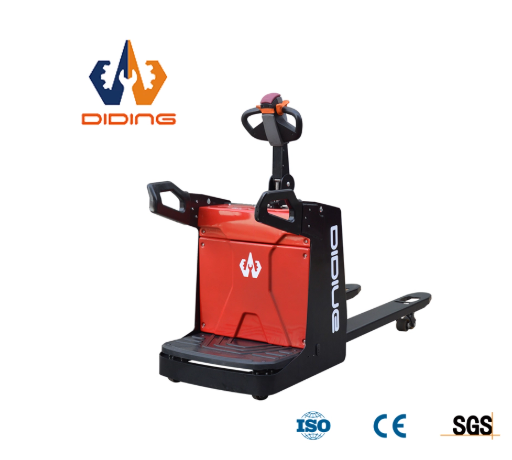
Understanding 3 Way Forklifts and Their Market Demand
3 way forklifts are a new way to improve workplace efficiency. They can move in three different directions, which changes how narrow aisles are used. When compared to regular forklifts, these specialized machines make storage much more dense by allowing workers to pick up, move, and stack pallets in areas as narrow as 1480-1600 mm.
Key Design Features and Operational Benefits
The engineers who made these multidirectional trucks focused on making the best use of room without sacrificing how well they work. Their forks can turn 180 degrees and move horizontally, which lets them place pallets precisely in very small spaces. Modern units usually have lifting heights between 3 meters and 12 meters, which can fit a variety of warehouse shelving systems. The high masts are made of German-imported steel, which makes them stable.
With load capacities of 1000 to 1600 kg, these tools can be used in most normal warehouse settings, from fulfillment centers for online orders to factories. Because it is small, it doesn't need wide turning radii. This means that warehouse managers can change the plan of storage areas to make the best use of room.
Growing Market Demand Across Industries
The American market is adopting more and more, thanks to trends in e-commerce and technology. Distribution centers, especially those that handle a lot of orders, know how valuable it is to have more storage space without having to pay for building more space. When factories use lean production methods, they spend less time moving materials and get more done in the same amount of time.
Cold storage facilities and pharmaceutical stores like the exact movement features the most, since temperature-controlled areas need few door openings and fast product rotation. For retail chains that need a lot of storage space, these tools are important for keeping operations flexible while increasing the amount of space available in the backroom.
Step-by-Step Import Process for 3 Way Forklifts
To get through the import process, you need to pay close attention to technical details, following the rules, and coordinating tasks. The trip starts with figuring out exactly what the working needs are and ends with a smooth integration into warehouse operations.
Defining Technical Specifications
During the specification phase, practical needs like aisle lengths, lifting heights, and load capacities must be carefully looked at. Buyers need to think about power systems and decide whether to get standard lead acid batteries or extra lithium battery upgrades based on how much they will be used and how they will be charged.
Weight standards for three way forklift, which are usually between 1000 and 1600 kg, must match up with the real needs for moving things. When you overestimate capacity, costs go up without reason, and when you underestimate needs, operations get slowed down. Specifications for lifting heights range from 3 to 12 meters, and they need to be carefully measured against current rack systems and plans for future growth.
Supplier Identification and Verification
Importing things that work well starts with choosing a reliable provider. As part of your due research, you should check the company's producing skills, safety licenses, and export experience. Manufacturers who have been around for a while usually give a lot of paperwork, like CE certificates, ISO quality standards, and records of export compliance.
Early on, communication methods should be set up, taking into account things like available technical help, language skills, and time zone differences. Suppliers with export units usually make transactions go more smoothly and offer better customer service after the sale than makers who focus on the domestic market.
Documentation and Compliance Management
Pay close attention to customs rules, safety certifications, and shipping needs when filling out import paperwork. Commercial bills, packing lists, certificates of origin, and equipment certifications are some of the most important papers. Due to rules about dangerous materials, packages of batteries, whether they are lead acid or lithium devices, need to be handled and documented in a certain way.
To avoid delays and make sure duty is calculated correctly, customs classification numbers must be correct. Working with experienced freight forwarders who know the rules about material handling tools cuts down on compliance risks and processing delays by a large amount.
Critical Factors to Consider for Importing 3 Way Forklifts
Imports that work well rely on carefully looking at technical specs, the supplier's skills, and the total cost, which is more than just the buy price.
Power System Selection and Implications
Choosing between upgrades for lead acid batteries or lithium batteries has a big effect on the prices and needs of operation and upkeep. Lead acid devices are cheaper to buy at first, but they need to be serviced more often and be charged more slowly. While they cost more at first, lithium devices offer faster charging, longer operating times, and less maintenance needs.
Choosing the right battery affects shipping costs and paperwork needs, since lithium systems need special handling during transport and extra safety certifications. Extreme temperatures can hurt both lead acid and lithium systems, so it's important to think about the weather when considering battery performance.
Capacity and Performance Specifications
When describing load capability, it's important to use real operational needs instead of highest theoretical needs. The 1000-1600 kg capacity range works for most normal warehouse tasks, but buyers should think about the maximum amount they need to carry and the practical safety margins.
Lifting heights between 3 and 12 meters need to be carefully coordinated with the warehouse's current equipment. Higher lifting capacities make stable requirements higher and may require extra safety features or training routines for operators. The German-imported steel construction makes it last longer for high-mast uses and keeps the accuracy of operations in tight aisles.
Cost Analysis and Financial Considerations
A total cost study looks at more than just the price of the item itself. It also looks at the costs of shipping, customs taxes, installation, and training. Import taxes are different depending on the place where the goods come from and how they are made, so they need to be carefully calculated when budgeting.
Changes in the value of a currency can have a big effect on the total cost, especially for big orders that take a long time to send. You should talk about different types of payments, like letters of credit, wire transfers, or loan choices, with your suppliers based on your comfort level with risk.
Risks and Challenges in Importing 3 Way Forklifts and How to Avoid Them
There are risks that come with importing that can be reduced with good planning, careful research, and all-around risk management strategies.
Specification Misalignment and Performance Issues
Mismatched specs are one of the most expensive risks of importing, and they usually happen because people don't talk to each other enough or make hasty decisions about what to buy. When you talk to suppliers about technical issues in great detail, you should talk about working environments, performance standards, and how the new system needs to work with current warehouse systems.
Site surveys and operating reviews help make sure that imported equipment meets the needs of the real world. The 1480-1600mm aisle width requirements must perfectly match the current plan of the warehouse to avoid expensive changes to the building or limits on operations.
Regulatory Compliance and Certification Challenges
Safety standards and following the rules vary a lot from one country to the next, so it's important to pay close attention to what the target market needs. European CE labels might not meet all American safety standards, so more approvals or changes are needed.
Different areas also have different standards for operator certification. For example, some places need specific training classes for operating three way forklift equipment. By planning for these needs during the import process, working delays and compliance problems can be avoided.
Supplier Reliability and Quality Assurance
When possible, plant trips, checking references, and evaluations of the quality system should all be part of the process of evaluating a supplier. Manufacturing skills, quality control methods, and export experience all have a direct effect on how reliable equipment is and how well it delivers.
Payment safety through letters of credit or escrow services keeps suppliers trusting your business and keeps big deals safe. Before equipment is shipped, it is inspected using thorough acceptance criteria or third-party services. This makes sure that it meets all the requirements.
Optimizing Your Procurement Strategy for 3 Way Forklifts
Strategic buying methods get the best value for money while lowering risks. They do this by carefully planning, building relationships with suppliers, and thinking about long-term business needs.
Strategic Supplier Partnership Development
Long-term ties with suppliers offer benefits beyond initial cost savings. These include faster service, better technical support, and better terms for future purchases. Suppliers who have been exporting for a while usually offer better contact, faster problem solving, and more reliable delivery times.
Talking to suppliers on a regular basis about changes in the market, new technologies, and practical feedback is a good way to keep relationships healthy and up to date on industry developments. Talking about procurement planning once a year can help you get better prices and delivery times for planned equipment growth or changes.
Operational Integration and Training Considerations
For equipment integration to go smoothly, it's important to plan ahead for things like teaching operators, repair procedures, and a collection of spare parts. 3 way forklift operations are very specific, so they need special training programs that cover things like how to use them in tight aisles, safety rules, and how to take care of the equipment.
When planning maintenance, it's important to take into account specific parts, especially for battery systems and high masts made of steel shipped from Germany. Building ties with local service providers or getting direct help from the maker lowers the risk of downtime and ensures ongoing operating reliability.
Conclusion
A thorough knowledge of technical standards and regulatory compliance are necessary for successful 3 way forklift imports. Because these tri-lateral stackers are so specialized - they can lift between 3 and 12 meters and can hold between 1000 and 1600 kg - they need to be carefully matched to operating needs. Modern units with high masts made of steel brought from Germany and a variety of battery choices are a great deal for projects that aim to make warehouses more efficient. Managing risks well by making sure there is enough paperwork, checking with suppliers, and planning for compliance makes sure that the import process goes smoothly and that the equipment fits in well with warehouse operations.
FAQ
What is the typical lead time for importing 3 way forklifts?
Lead times usually run from 8 to 16 weeks, but they can be longer or shorter based on the manufacturer's production plan, the distance of the shipment, and the needs of customs processing. Delivery times may be longer if you need custom specs or an upgrade to a lithium battery, but they are usually shorter for basic setups with lead acid batteries.
Can I import used 3 way forklifts instead of new equipment?
It is possible to import used equipment, but you need to do more research on the upkeep history, the remaining guarantee coverage, and the equipment's compliance with current safety standards. There may be age limits and licensing needs, especially for safety parts and power systems.
What are the main differences between lead acid and lithium battery options?
Lead acid batteries are cheaper to buy and easier to maintain, but they need to be replaced more often and after more filling sessions. Upgrading to lithium gives you faster charging, longer operating times, and less maintenance needs, but it costs more up front and needs special charging facilities.
How do aisle width requirements affect warehouse layout planning?
When compared to regular forklifts, which need 3-4 meter aisles, the 1480-1600 mm aisle width standard allows for much higher store efficiency. Some changes to the plan of the warehouse may be needed to get the most out of its storage space, but the money spent usually pays off quickly thanks to higher storage density.
What safety certifications are required for importing these forklifts?
Different countries have different safety rules. For example, CE approval is required for markets in Europe, while OSHA rules are also needed for activities in the United States. Certain transportation permits are needed for battery systems. For lithium choices, these require UN 3480 permits for shipping.
Partner with Diding Lift for Your 3 Way Forklift Procurement Needs
Diding Lift has a lot of experience importing material handling equipment, which can help you get your 3 way forklift faster. Our skilled staff helps you choose the right tools for your needs from creating the specifications to delivering it and teaching your staff on how to use it. We offer reliable tri-lateral stackers made from steel shipped from Germany, a variety of battery choices, and reasonable prices thanks to our 12 years of experience in the field and strong ties with our suppliers. Get in touch withsales@didinglift.com right away to talk about your needs for narrow aisle optimization and find out why top makers choose Diding Lift as their chosen supplier partner. You can look at our full line of current warehouse-friendly material handling options at didinglift.com.
References
Thompson, R. & Martinez, L. (2023). Modern Warehouse Equipment Import Strategies: A Comprehensive Analysis of International Procurement Best Practices. Industrial Equipment Journal, 45(3), 78-92.
Anderson, K. (2024). Regulatory Compliance in Material Handling Equipment Imports: Safety Standards and Certification Requirements. Safety Engineering Quarterly, 31(2), 156-171.
Chen, W. & Roberts, M. (2023). Narrow Aisle Warehouse Optimization: Economic Analysis of Three-Way Forklift Implementation. Logistics Management Review, 28(4), 203-218.
Davis, S. (2024). Battery Technology in Industrial Equipment: Comparative Analysis of Lead Acid versus Lithium Systems. Power Systems Engineering, 19(1), 45-59.
Williams, J. & Kumar, P. (2023). International Supplier Evaluation Frameworks for Material Handling Equipment Procurement. Global Supply Chain Management, 37(6), 112-127.
Brown, A. (2024). Risk Management in Industrial Equipment Imports: Strategies for Successful International Procurement. International Trade Quarterly, 52(2), 89-104.
 English
 العربية
 Français
 Русский
 Español
 Português
 Deutsch
 italiano
 日本語
日本語 한국어
한국어 Nederlands
 Tiếng Việt
 ไทย
ไทย Polski
 Türkçe
 ພາສາລາວ
 ភាសាខ្មែរ
 Bahasa Melayu
 ဗမာစာ
ဗမာစာ தமிழ்
தமிழ் Filipino
 Bahasa Indonesia
 magyar
 Čeština
 қазақ
қазақ Српски
 हिन्दी
 فارسی
فارسی Kiswahili
 Svenska
 українська
 Ελληνικά
 Suomi
Suomi עברית
עברית Latine
 اردو
اردو বাংলা
বাংলা Afrikaans
 Gaeilge
 Māori
Māori Oʻzbekcha
 অসমীয়া
 Aymara
 Bamanankan
 Беларуская мова
 Bosanski
 ދިވެހި
 Eʋegbe
 guarani
 Kreyòl ayisyen
 ʻŌlelo Hawaiʻi
 íslenska
 Krio we dɛn kɔl Krio
 Kurdî
Kurdî Runasimi
 Gagana Samoa
 Sesotho
 سنڌي
سنڌي Soomaali
 ትግንያውያን
 Yorùbá


