Evaluating an electric forklift truck supplier requires careful assessment of multiple factors that directly impact your operational efficiency and bottom line. The right supplier partnership extends beyond purchasing equipment - it involves establishing a relationship that supports your business growth through reliable products, comprehensive service, and ongoing technical support. Key evaluation criteria include supplier reputation, product quality, customization capabilities, after-sales service, and total cost of ownership. Making an informed decision involves analyzing these elements systematically to ensure your chosen supplier can meet both current needs and future expansion requirements.
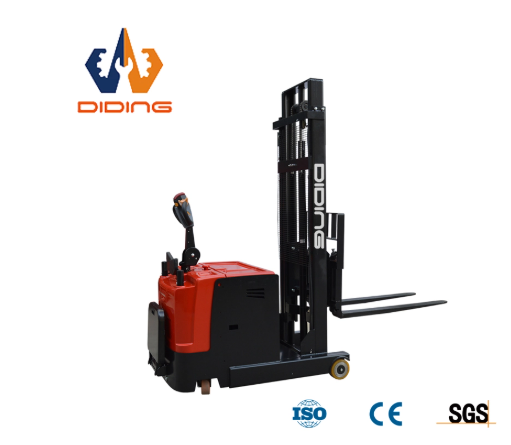
Core Criteria for Evaluating Electric Forklift Suppliers
Assessing Supplier Reliability and Industry Standing
Reliability in the supplier is the key to a good technology relationship. Check out possible suppliers' past work, financial health, and position in the market. Companies with longer records can usually give you more confidence in their ongoing help and parts availability.
Certifications and compliance guidelines in an industry are concrete ways to judge the quality of a seller. Look for providers that keep up with ISO standards, safety records, and environmental rules. These badges show that quality control and customer service are done in a planned way.
Case studies and customer references show real-world success results. Ask for specific details about methods that are similar in your business. Finding out how providers have dealt with problems like yours in the past can tell you a lot about their technical know-how and ability to solve problems.
Evaluating Product Portfolio Breadth
A supplier's ability to meet a wide range of operating needs is shown by the number of products they offer. Forklifts from reputable providers come in a range of designs, such as counterbalance models, narrow-aisle options, and specialized equipment for specific uses.
Customization is what sets exceptional suppliers apart from basic equipment sellers. Look for companies that can change the heights of the lifts, the sizes of the forks, and the way the battery systems are set up to meet your special needs. These changes are often necessary to get the best building structure and to handle specific materials.
With so many types of 3 ton electric forklift models to choose from, you can be sure to find the right tools for your needs. Suppliers should make it easy to choose the right model by explaining how to use it and what the load levels are.
Analyzing After-Sales Service and Warranty Terms
Full service support keeps your investment safe and keeps operations running smoothly. Check out sellers based on how well their service networks work, how fast they respond, and how skilled their technicians are. Having access to local service is often very important when equipment breaks down or when it's time for regular upkeep.
The terms of the warranty show how confident the company is in their goods. Compare the lengths of guarantee coverage, the parts that are covered, and the promises of service support. Longer warranties or service packages can give you more safety and help you plan your repair costs.
Training programs make operators safer and tools last longer. Good providers offer full training for operators, safety certification programs, and chances to keep learning. These programs lower the chance of accidents and make sure that equipment works well and lasts as long as possible.
Comparing Electric Forklift Models Offered by Suppliers
Technical Specifications and Performance Capabilities
For most uses, load capacity is the most important characteristic. Check to see if the providers offer a range of equipment, from small units that can hold up to 3,500 pounds for tight areas to heavy-duty models that can hold up to 12,000 pounds for tough jobs. Knowing how much power you need helps you cut down your supplier choices.
How well the batteries work directly impacts how efficiently and cheaply the business runs. Modern providers should offer a range of battery choices, such as standard lead-acid systems in 48V, 60V, and 80V models, as well as lithium battery updates that can be chosen. With lithium technology, you can charge it whenever you want, it works for longer, and it needs less upkeep.
Daily working plans are affected by how long it takes to charge and how much energy it uses. Traditional batteries need to be charged and cooled for eight hours, but lithium-ion batteries can be charged quickly during breaks or shift changes. Suppliers should give specific information on how much energy they use and suggestions for charging facilities.
Safety Features and Environmental Compliance
Modern safety systems keep both people using the tools and the money they've spent on it safe. Look for companies that offer regenerative braking systems, stability control, and styles that make it easier to see. These methods lower the chance of accidents and boost operational trust and insurance compliance at the same time.
Environmental approvals help companies buy equipment that fits with their goals for sustainability. Good sellers of 3 ton electric forklift units give thorough information on emissions, scores for energy efficiency, and proof that they meet environmental standards. When it comes to noise reduction and indoor air quality, electric equipment is much better than options that use internal combustion engines.
A strong structure that is very stable makes sure that it can be used safely in many situations. Suppliers should show how stable their equipment is, how weight is distributed, and the results of tests that check for structural soundness. These things are especially important for tasks with high lifts and rough surfaces.
Customization Options and Operational Flexibility
Customized lifting heights can be used for a variety of building layouts and storage needs. Leading providers let you change the height of your products to make the best use of vertical room while still meeting safety and stability standards. These changes often give big storage density benefits over the competition.
You can change the fork's length and width to make sure it works with the types of pallets and loads you have. Suppliers should give detailed advice on how to choose a fork and offer modification services when stock setups don't work.
Ergonomic design, easy-to-use controls, and comfort features for the user all contribute to a flexible working experience. Quality providers put the user experience first by making sure the seats are flexible, the steering systems are quick, and the designs are easy to see through. These features make operators less tired and more productive while also making them happier with their jobs.
Evaluating Supplier's Value-Added Services and Case Studies
Technical Support and Maintenance Planning
Full technical help includes more than just simple repair services. Check out providers that offer troubleshooting services, preventative maintenance programs, and advice on how to improve performance. These services help make sure that equipment is always working and that fix costs are kept to a minimum.
Support for maintenance planning helps businesses come up with good fleet management plans. Good suppliers give thorough repair plans, suggestions for parts inventories, and information on how to avoid problems in the future based on how things are used and what the business needs.
Training programs make things safer and more efficient. Suppliers should offer courses to certify operators, safety reviews, and training programs that are special to the machinery. These programs lower the chance of accidents and make sure that equipment is used properly and lasts as long as possible.
Flexible Financing and Leasing Options
Financing freedom lets you meet a wide range of financial needs and budget limits. Look at suppliers who offer different ways to buy, such as lease deals, rental programs, and choices to buy. These options give you practical freedom while still helping you reach your cash flow management goals.
Leasing choices are often appealing to businesses that want to keep their fleets of modern machinery while minimizing their financial expenditures. Good providers offer clear rental terms, a range of upgrade options, and end-of-lease options that work with how businesses plan their schedules.
Service packages that come with payment plans can help you plan your budget and predict your running costs. Usually, these packages come with repair services, promises that parts will be available, and services that keep an eye on performance.
Industry Success Stories and Partnership Examples
Case studies from real life show how well a provider can do a wide range of tasks, especially in projects involving equipment such as electric forklift truck solutions. Look for detailed examples of how providers have dealt with problems that are similar to the ones you're having. These cases should have success measures, details on how much money was saved, and dates for implementation.
Partnerships that work well with well-known names show that the company is trustworthy and that the market will accept them. Suppliers who work with well-known logistics companies, factories, and delivery centers often have tried-and-true methods and help networks that are already set up.
Long-term ties with customers show how reliable and good the service is from the seller. Look at how many customers stay with you, how often they buy from you again, and customer happiness polls if they are available. These measures tell us a lot about how well suppliers are doing and how well customer service is working.
Making an Informed Procurement Decision
Synthesizing Evaluation Criteria
To make a decision, you need to compare the skills of your suppliers to your business needs in a planned way. Make evaluation matrices that give different factors more or less weight based on your goals. For example, you could weigh up initial costs against long-term service support or standard tools against the ability to be customized.
Aligning your equipment purchase with the organization's goals will make sure it helps the company reach its larger goals. Take a look at how the different supplier choices affect business efficiency, safety, environmental compliance, and the ability to grow. Most of the time, these strategy factors end up being more important than differences in the original costs.
Risk assessment helps you figure out what problems might happen and how to fix them. Check the supplier's financial health, the availability of parts, the reach of their service network, and the risk of technology becoming obsolete. Understanding these things helps you make better decisions and plan for what to do in case something goes wrong.
Contract Negotiation Best Practices
When negotiating terms, you should talk about things like price, delivery dates, warranty coverage, and service promises. Making goals clear helps avoid misunderstandings and sets standards for responsibility for everyone involved. When it makes sense, include detailed performance measurements and service level agreements.
Product demos are a great way to learn about how well equipment works and how easy it is for operators. Set up demonstrations that take place on-site using your real products and working settings. In these examples, real issues are brought to light that can't be shown through specifications alone.
Checking references confirms what the seller says and shows any possible problems. Get in touch with similar businesses that have used similar tech options. Talk about implementation experiences, the quality of continued support, and general satisfaction levels to help you make a choice.
Leveraging Supplier Expertise
Supplier information is a useful resource for improving the performance of fleets and the economy of operations. Use sellers as consultants during the planning stages to get the most out of their technical know-how and knowledge in the field. When people work together, they often find ways to improve things and cut costs.
Performance monitoring tools help keep track of how much technology is being used, how much maintenance is needed, and how much it costs to run. To support efforts for ongoing growth, quality suppliers give advice on how to set up monitoring tools and understand performance data.
Ongoing relationship growth makes sure that value is realized throughout the lifecycles of equipment. Set up regular review processes, performance evaluations, and planning meetings for improvement with the provider you've chosen to keep operations running at their best.
Conclusion
When looking for an electric forklift truck supplier, you need to think about a lot of things, such as the quality of the products, their technical skills, their customer service, and the possibility of forming a long-term relationship. Long after the choice is made, it will have an effect on business efficiency, cost management, and safety performance. Good providers show they know what they're doing by being able to customize products, having large service networks, and having a history of success with similar projects. Successful partnerships include more than just providing tools. They also include constant support, advice on how to improve performance, and help with strategic planning. Taking the time to carefully examine suppliers helps you choose the best tools, get the best return on your investment, and meet your long-term operational goals.
FAQ
What factors should I consider when choosing between lead-acid and lithium batteries?
Lead-acid batteries are cheaper to buy, but they need to be charged for longer amounts of time and serviced more often. Even though they cost more at first, lithium alternatives offer opportunity charging, longer operating times, and lower upkeep needs. When choosing a battery technology, you should think about your operating schedules, charging facilities, and the total cost of ownership.
How important is local service support when selecting suppliers?
Having access to local services is important for keeping operations running smoothly and reducing downtime. Check to see if the supplier's support network covers your area, if the technicians are skilled, and if parts are available. Overall service quality and device dependability are also affected by the ability to provide remote help and the promise of emergency service.
What customization options should I prioritize for my application?
Focus your customization efforts on features that have a direct effect on how well your operations run and how safe they need to be. Most of the time, the most useful practical benefits come from changing the lifting height, fork size, and battery setup. Talk to your sellers about your unique needs to find the best ways to customize their products.
Partner with Diding Lift for Superior Electric Forklift Solutions
Diding Lift blends 12 years of experience in the field with cutting edge tech to provide you with exceptional material handling solutions that are specifically designed to meet your needs. Our full line of electric forklift truck models comes with customizable lifting heights, fork sizes that can be changed, and batteries that can be set up in a variety of ways, including lithium upgrades and different power choices. We are experts at finding low-cost solutions for logistics, storage, production, and retail needs while still upholding the greatest standards of dependability and performance.
Our strong structure designs make sure that they are safe and stable in a wide range of working conditions. Get in touch with our knowledgeable staff at sales@didinglift.com to talk about your unique needs and find out how our knowledge as an electric forklift truck maker can help you improve the way you move things. We have low prices, a variety of payment options, and full support services that are all meant to help you get the most out of your equipment investment and improve the efficiency of your operations.
References
Industrial Equipment Safety Standards for Electric Forklift Operations, American National Standards Institute, 2023.
Electric Forklift Technology and Environmental Impact Assessment, Journal of Industrial Engineering, Vol. 45, 2023.
Total Cost of Ownership Analysis for Material Handling Equipment, Supply Chain Management Review, 2023.
Battery Technology Advances in Electric Forklift Applications, International Conference on Industrial Automation, 2023.
Workplace Safety and Electric Forklift Operations: Best Practices Guide, Occupational Safety and Health Administration, 2023.
Electric vs. Internal Combustion Forklifts: Comparative Performance Study, Materials Handling Institute Research Report, 2023.
 English
 العربية
 Français
 Русский
 Español
 Português
 Deutsch
 italiano
 日本語
日本語 한국어
한국어 Nederlands
 Tiếng Việt
 ไทย
ไทย Polski
 Türkçe
 ພາສາລາວ
 ភាសាខ្មែរ
 Bahasa Melayu
 ဗမာစာ
ဗမာစာ தமிழ்
தமிழ் Filipino
 Bahasa Indonesia
 magyar
 Čeština
 қазақ
қазақ Српски
 हिन्दी
 فارسی
فارسی Kiswahili
 Svenska
 українська
 Ελληνικά
 Suomi
Suomi עברית
עברית Latine
 اردو
اردو বাংলা
বাংলা Afrikaans
 Gaeilge
 Māori
Māori Oʻzbekcha
 অসমীয়া
 Aymara
 Bamanankan
 Беларуская мова
 Bosanski
 ދިވެހި
 Eʋegbe
 guarani
 Kreyòl ayisyen
 ʻŌlelo Hawaiʻi
 íslenska
 Krio we dɛn kɔl Krio
 Kurdî
Kurdî Runasimi
 Gagana Samoa
 Sesotho
 سنڌي
سنڌي Soomaali
 ትግንያውያን
 Yorùbá


