To find your way around the complicated rules for electric pallet truck equipment compliance, you need to know a lot about the different rules that govern safety at work and how well things run. Organizations like OSHA, ISO, ANSI, and CE set these standards. They make sure that all material handling equipment meets strict safety requirements and works reliably in a wide range of industry settings. In today's competitive market, procurement workers must balance safety obligations with practical needs. To do this, they need to understand legal requirements.
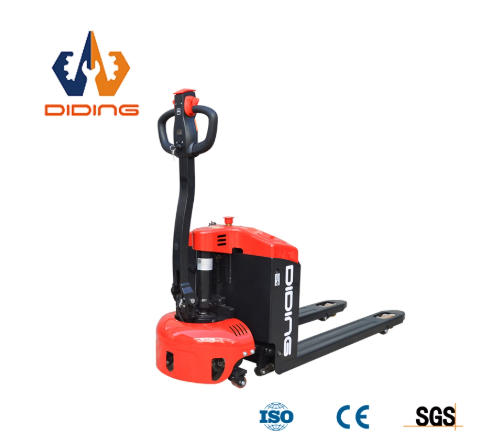
Understanding Compliance Standards for Electric Pallet Trucks
In the material handling business, compliance standards are a complete set of rules meant to keep workers safe and make sure that operations run smoothly. The Occupational Safety and Health Administration (OSHA) sets basic safety rules for the workplace that have a direct effect on how electric pallet truck equipment must be made and how it must be used. These rules cover a lot of ground, from emergency stop systems to limits on load capacities. They set the standard for safe operation in all workplace settings.
The International Organization for Standardization (ISO) sets global guidelines for quality management and environmental responsibility that go along with OSHA rules. The ISO 9001 quality management standards make sure that production methods are always the same, and the ISO 14001 environmental management standards look at how battery-powered equipment affects the environment. These international standards are very important for businesses that do business in more than one country or that buy tools from providers in other countries.
Key Regulatory Bodies and Their Impact
Through its B56 series, which is designed especially for powered industrial cars, the American National Standards Institute (ANSI) adds another level of safety requirements. These standards include rules for creation, testing, and how things should be used that makers must follow. At the same time, CE licensing makes sure that equipment meets European standards for safety, health, and the environment, which often affect how things are made around the world.
Knowing about these legal systems helps teams that buy things figure out what features and functions equipment can do beyond the basics. As a result of following the rules, mechanical performance is affected by required safety features; environmental concerns are affected by emission controls and battery disposal rules; and operating processes are affected by training and maintenance needs.
Compliance Framework Benefits
Modern safety standards help warehouse operations in ways that can be measured. They set clear rules for what to do in an emergency, require standard training, and require regular inspections that keep expensive tools from breaking down. These models also protect companies legally by showing that they do their part to manage worker safety.
Essential Compliance Criteria Across Different Types of Electric Pallet Trucks
Depending on how they work and what they are meant to do, different types of material handling tools have different safety issues. Rider models, on the other hand, have to meet stricter safety standards because they can go faster and put the user in more danger. Walk-behind units, on the other hand, don't have to go through as many strict approval processes.
Heavy-duty models, such as off road electric pallet truck, that are made to carry loads that are heavier than the normal limits have to meet extra licensing requirements for their structural stability and braking systems. These units need to be more stable when they're under the most weight and have extra safety gaps to keep them from tipping over. Even though there aren't as many rules for light-duty equipment, it still needs to meet basic safety standards for emergency stops and load signs.
Battery Technology Compliance Requirements
One of the most difficult areas of compliance for electric material handling tools is battery technology. Specific safety certificates are needed for lithium-ion battery systems that deal with temperature, charge, and emergency containment. Lead-acid batteries have different rules about how to be disposed of, how to keep acid from spilling, and how to make sure there is enough air flow.
Built-in chargers have a big effect on compliance requirements because they get rid of the need for external charging equipment that might not meet safety standards at the building. This integration makes it easier to check for compliance while also making electricity installs easier. The functions of the emergency reverse button must meet certain reaction time requirements and work reliably no matter what the load is.
Fork length and width choices that can be changed need to be checked for compliance for each setup to make sure that changes don't affect the structure or the load ratings. Optional ways to improve lithium batteries must come with proof that electrical systems can safely work with different battery types without affecting safety standards.
Environmental and Operational Considerations
For indoor operations, noise level compliance and zero-emission approval are usually needed. For outdoor operations, environmental protection standards may be different. When there are uneven areas or changing load conditions, it's especially important for structures to be well-designed and stable in order to be compliant.
These design factors have a direct effect on the approval process and the continued needs to check for compliance. Equipment used in food processing plants has to meet extra clean design standards. For example, equipment used in cold storage needs to be certified to work at low temperatures.
How Compliance Impacts Procurement Decisions for B2B Buyers?
To reduce business risks and make sure regulations are followed, procurement workers need to include compliance verification in the way they evaluate suppliers. For this integration to work, you need to know how the different levels of approval affect the equipment's abilities and its ongoing operating needs.
Most of the time, leading makers provide detailed compliance paperwork that makes the verification process easier. But procurement teams need to make sure that licenses are valid for the specific types of tools and uses that they are meant for. It can be harder to make sure that used or rented technology is compliant because the state may have changed due to changes or maintenance.
Cost-Benefit Analysis of Compliance
A higher initial investment is usually needed for compliance-certified equipment, but the long-term benefits, such as less risk and lower upkeep needs, often make up for these costs. Models of off road electric pallet truck equipment that have all the necessary safety certifications come with better warranties and access to maker support services, which lower the total cost of ownership.
Insurance companies also like compatible equipment because it means lower premiums and more coverage choices. A lot of insurance companies give discounts to businesses that use certified material handling tools and follow written safety guidelines.
Supplier Evaluation Criteria
Effective buying strategies include checking for compliance as part of the process of qualifying vendors. This evaluation should look at how manufacturers get certified, how they keep up with quality management, and how they help customers after the sale with compliance problems. Suppliers with a history of following the rules offer more guarantee that regulations will continue to be followed.
Different providers have very different documentation needs, so it's important to use standard evaluation criteria to compare choices correctly. Before they start evaluating suppliers, procurement teams should be clear about what they need in terms of legal paperwork and ongoing support.
Maintaining Compliance Through Proper Use and Maintenance
For long-term compliance, you need maintenance plans that are organized and in line with government rules and maker instructions. These programs need to include both preventative upkeep plans and steps for taking corrective action when there are problems with compliance.
Schedules for routine inspections should be in line with OSHA rules and include maker suggestions for certain types of equipment. Documentation needs go beyond simple repair records and include checking for compliance and keeping track of correction actions. This paperwork is very important during governmental checks and the insurance claim process.
Battery Maintenance and Safety Procedures
Battery repair is a very important area of compliance that needs special processes and trained staff. Lithium-ion systems need to be watched over during charge processes, their temperatures need to be controlled, and the loss of capacity needs to be tracked. Lead-acid batteries need different ways of being maintained that focus on checking the electrolyte levels, stopping terminal rust, and making sure the venting system is working right.
Safe charging methods must take into account the building's electricity systems, the need for air flow, and the way to handle an emergency. These needs are made easier by built-in charger designs that include safety systems and standard charging processes. But they still need to be inspected and fixed up on a regular basis to make sure they stay in compliance.
Operator Training and Certification
Operator training programs need to cover both general safety rules and steps that are specific to each piece of equipment. Specific parts of OSHA-mandated training must be covered, such as how to handle loads safely, what to do in an emergency, and how to do daily inspections. These training plans need to be updated often to keep up with new rules and changes to tools.
Systems for keeping an eye on things should have processes for checking for compliance and for taking corrective action. Compliance checks done on a regular basis help find problems before they become legal violations. They also give safety measures chances to get better all the time.
Future Trends in Electric Pallet Truck Compliance and Industry Impact
New legal trends show that environmental effect, technology integration, and predictive safety systems are getting more attention. These changes will have a big effect on how buying strategies and vehicle management are used in the years to come.
More modern battery technologies and energy management systems are being used because of stricter pollution standards. As environmental laws get stricter, electric pallet truck equipment will probably have to meet higher energy standards and more recycling requirements.
Technology Integration and Monitoring
Integration of the Internet of Things (IoT) and sensors is quickly becoming an important tool for keeping track of compliance and keeping records. These systems let you keep track of compliance factors like load limits, working hours, and maintenance needs in real time. Compliance reporting that can be done automatically makes administration easier and provides full audit logs.
Predictive repair systems use data from sensors to see problems with compliance before they happen. This feature lets you schedule proactive repair that stays in line with regulations and causes as few problems as possible for operations.
Procurement Strategy Adaptation
Procurement plans that look to the future need to take into account how rules and technology are changing. As compliance rules get more complicated and are built into working systems, supplier relationships become more important.
When buying equipment, you should think about how to improve it and how well it works with other technologies to make sure you can keep up with changing requirements. Electric pallet truck providers that offer full compliance support and update services are more valuable in the long run than those that only focus on the cost of the equipment.
Conclusion
For procurement workers in charge of warehouse operations, knowing the compliance standards for material handling tools is a must. These standards have a direct effect on choosing tools, running operations, and managing long-term costs. They also protect workers from accidents and breaking the law. For compliance management to work well, it's important to look at all the rules, the skills of suppliers, and the upkeep duties that last the whole life of the equipment.
FAQ
What certifications should I look for when purchasing electric pallet trucks?
Check for proof that the company follows OSHA rules, ANSI B56 series approval, and appropriate ISO standards, such as ISO 9001 for quality management. If you're buying things from other countries or plan to do business with them in the future, CE marking is important.
How often should safety inspections be performed on electric pallet trucks?
OSHA requires operators to do daily pre-use checks, and more thorough inspections should be done every month or three months, based on how often the equipment is used. Based on the specifics of the equipment, the manufacturer may suggest checking it more often than what is recommended.
What are the risks of using non-compliant equipment?
Equipment that doesn't follow the rules can lead to OSHA violations, higher insurance costs, crashes at work, and even legal trouble. Also, equipment that doesn't follow the rules could cancel warranties and cause problems during regulatory checks.
Partner with Diding Lift for Compliant Electric Pallet Truck Solutions
Diding Lift offers complete compliance options with our high-tech material moving tools made to meet strict government standards. As an electric pallet truck maker, we know how to make trucks with built-in chargers, emergency reverse buttons, fork setups that can be changed, lithium battery upgrades that can be added, and strong, stable structures. These features make sure that OSHA, ANSI, and foreign safety standards are always followed, and they also make the system work very well.
With twelve years of experience in the field, we know how hard it is for procurement workers in the industrial, transportation, and warehousing sectors to keep up with compliance rules. Our engineering team makes sure that every design choice is in line with legal requirements. This way, your investment will meet current standards and have upgrade paths for when regulations change in the future. Get in touch with our compliance experts at sales@didinglift.com to talk about how Diding Lift can help you meet your legal goals while also making your material handling more efficient.
References
Occupational Safety and Health Administration. "Powered Industrial Trucks Standard Requirements." Federal Register of Workplace Safety Regulations, 2023.
American National Standards Institute. "Safety Standard for Low Lift and High Lift Trucks - ANSI/ITSDF B56.1." Industrial Truck Standards Development Foundation, 2022.
International Organization for Standardization. "Quality Management Systems Requirements for Material Handling Equipment." ISO Standards Publication, 2023.
European Committee for Standardization. "Safety Requirements for Industrial Trucks - CE Marking Compliance Guide." European Standards Organization, 2022.
National Institute for Occupational Safety and Health. "Criteria for Recommended Standard: Occupational Exposure to Powered Industrial Trucks." NIOSH Publications, 2023.
Industrial Truck Association. "Best Practices for Electric Pallet Truck Compliance and Safety Management." Material Handling Industry Guidelines, 2023.
 English
 العربية
 Français
 Русский
 Español
 Português
 Deutsch
 italiano
 日本語
日本語 한국어
한국어 Nederlands
 Tiếng Việt
 ไทย
ไทย Polski
 Türkçe
 ພາສາລາວ
 ភាសាខ្មែរ
 Bahasa Melayu
 ဗမာစာ
ဗမာစာ தமிழ்
தமிழ் Filipino
 Bahasa Indonesia
 magyar
 Čeština
 қазақ
қазақ Српски
 हिन्दी
 فارسی
فارسی Kiswahili
 Svenska
 українська
 Ελληνικά
 Suomi
Suomi עברית
עברית Latine
 اردو
اردو বাংলা
বাংলা Afrikaans
 Gaeilge
 Māori
Māori Oʻzbekcha
 অসমীয়া
 Aymara
 Bamanankan
 Беларуская мова
 Bosanski
 ދިވެހި
 Eʋegbe
 guarani
 Kreyòl ayisyen
 ʻŌlelo Hawaiʻi
 íslenska
 Krio we dɛn kɔl Krio
 Kurdî
Kurdî Runasimi
 Gagana Samoa
 Sesotho
 سنڌي
سنڌي Soomaali
 ትግንያውያን
 Yorùbá


