When it comes to outdoor building, there are a few 4 directional forklift types that stand out because of how well they work and how long they last. These machines can move in more than one way and are great at getting through tight areas. They can also lift heavy things up to 2,500 kg and reach heights of 3 to 10 meters. With steel masts made in Germany and lead acid batteries that can be upgraded to lithium, these specialized forklifts give building professionals the dependability and flexibility they need for tough outdoor settings.
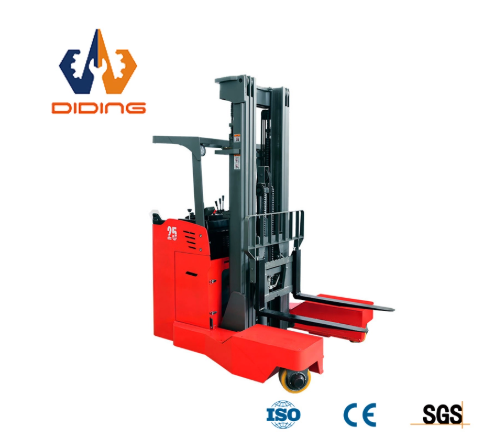
Understanding 4 Directional Forklifts for Outdoor Use
The 4 directional forklift technology's unique turning system makes it easier to turn, making it perfect for getting around on rough and crowded building sites outside. The ability of these special machines to move forward, backward, sideways, and diagonally gets rid of the need for time- and space-consuming changing movements.
Core Mechanics and Design Features
Multidirectional forklifts have modern wheel pivot systems that can turn 90 degrees, which lets the truck move side to side without having to be moved. This feature is very helpful when working with long things like steel bars, lumber, or pipes in small building sites. The tools can do both side-loading and reach truck tasks, which makes them useful for a wide range of material handling problems.
Modern four-way forklifts have complex hydraulic systems that make them easy to handle and quick to respond. These systems give operators more security while lowering the chance of damage to loads or equipment crashes. Adding automatic steering aid makes operations run even more smoothly, which is especially helpful during long work shifts.
Load Capacity and Lifting Specifications
Professional-grade multi-directional forklifts can usually carry loads of 2000 to 2500 kg, which is enough space for most of the building supplies that you'll find on most construction sites. The lifting height can be adjusted from 3 meters to 10 meters, which gives you options for different building needs and storage setups. These requirements are in line with industry norms and provide enough capacity for tough building jobs.
The mast's building from steel brought from Germany makes it strong and long-lasting in harsh outdoor circumstances. This type of quality steel has better strength-to-weight ratios, which means it can lift more weight without making the machine less stable or putting the person at risk. The strong mast design can handle the rough conditions of building sites while still allowing for accurate load placing.
Power Systems and Battery Technology
As usual, electric 4 way forklifts have lead acid battery systems that provide reliable power for long amounts of time. These tested battery technologies work consistently and don't need much upkeep, so they can be used on building sites where access to specialized service facilities isn't always easy.
Options for upgrading lithium batteries offer better performance, such as faster charging times, longer operating periods, and lower upkeep needs. Even though they cost more to buy at first, lithium devices are more valuable in the long run because they are more productive and cost less to own. To find the best power system setup, construction managers need to look at how their operations work.
Evaluating and Choosing the Best 4 Directional Forklift: Decision Support Approach
This evaluation method takes into account real-life building use cases and goals, such as the need to lift big things, get through tight aisles, and make sure machines last a long time. Important selection criteria include load size, power system choice, flexibility to terrain, and operator comfort.
Load Capacity and Performance Requirements
To find the right load capacity, you need to look at a lot of different types of products and the heaviest loads that are commonly seen on building sites. The size range of 2000 to 2500 kg can hold most building materials and leaves room for sudden changes in load. Instead of depending on estimates, procurement workers should write down real load requirements to make sure they choose the right tools.
Lifting height requirements are very different depending on the type of building job and how the items are stored. The 3m to 10m length covers most situations, from moving things on the ground to helping with building on multiple floors. If a site needs special height powers, it might need options that aren't available off the shelf.
Terrain Adaptability and Environmental Considerations
Outdoor building sites have their own problems, like uneven ground, trash, and being exposed to the weather. Outdoor multi-directional forklifts have better support systems, protected covers, and weather-resistant parts that make sure they work reliably in all kinds of weather.
Choosing the right tires is an important part of outdoor success. You can get solid tires for smooth areas or pneumatic tires for rough terrain. Tire solutions that don't puncture are good for construction sites because they keep machines running and give workers good grip on a variety of surfaces.
Operator Comfort and Safety Features
Long times of work require designs that are ergonomic and keep up production levels while reducing user fatigue. These days' 4 directional forklift models have adjustable seats, easy-to-use control setups, and better sight features that make them safe and effective to use during long work shifts.
Technologies for safety, like automatic stopping systems, load sensors, and stability controls, make operations much safer and protect both people and machinery. These features are especially useful in building sites where many things are going on at once and workers need to be extra alert and able to move quickly.
Advantages of 4 Directional Forklifts Over Traditional Equipment
Multi-directional trucks are better for rough outdoor places because they can move around more easily and can do more types of work. When compared to regular material handling equipment, their specialized turning systems make things safer and more efficient while reducing damage to equipment and downtime on the job site.
Enhanced Maneuverability and Space Utilization
The main benefit of four-way movement is that it gets rid of the need for time-consuming placement moves that are needed by regular trucks. When workers can go straight to their targets without having to go through complicated turning routines, cycle times are cut and material flow is better on construction sites.
Improvements in how space is used allow for better organization of the site and keeping of materials. Construction managers can make entry roads and storage areas smaller, making the most of the room they have while still keeping operations running smoothly. This feature is especially useful on limited-space urban building sites, where making the best use of room has a direct effect on the project's cost.
Operational Efficiency and Productivity Gains
Being able to move in more than one way cuts down on the time needed to handle each load cycle, which lets throughput rates go up during busy building times. Getting rid of the need to move positions over and over again leads to measured productivity gains that add up over the course of a project's timeline.
Precision control features lower the risk of damage to materials and allow precise placing in hard-to-reach places. This level of accuracy cuts down on waste and redo, which helps build better things. When material handling equipment supports practical needs instead of limits them, construction teams say their work flows more smoothly.
Long-term Value and Cost Considerations
Even though 4 way forklift models usually cost more to buy at first than other types of equipment, their operating benefits make them more valuable in the long run by lowering the total cost of ownership. Less damage to equipment means less money spent on repairs and replacements, and higher efficiency means lower work costs per unit of material managed.
Being able to be used in a variety of building tasks gets rid of the need for specialized fleets of equipment. This makes upkeep and training programs for operators easier. Standardized tool methods make things easier for construction companies while keeping their ability to work on a variety of projects.
Procurement Insights: Buying, Leasing, and Renting 4 Directional Forklifts
A thorough look at purchase methods helps people make choices about multidirectional forklifts by letting them weigh financial and operational factors. Depending on the length of the project, how the equipment is used, and the availability of cash, each method has its own benefits.
Financial Considerations and Acquisition Models
For building companies with consistent material handling needs across multiple jobs, buying equipment is the best long-term investment. Ownership gives you the freedom to make changes and makes sure that the equipment is available when it's needed. It also increases the value of the asset, which helps with future funding.
Leasing offers stable monthly costs and gives you access to newer technology and repair deals that cover everything. Construction companies gain because they can keep their capital safe and use it for their main business tasks while still having access to specialized tools.
Supplier Selection and Partnership Development
Reliable providers offer a wide range of services, such as training for operators, upkeep, and access to spare parts, to make sure that equipment works properly throughout the lifecycle of a project. To ensure long-term operational success, construction companies should look at their suppliers' skills beyond the cost of the beginning tools.
Regional dealer networks have benefits, such as faster reaction times for service calls, local parts inventories, and knowledge of how building is done in the region. These connections are useful when equipment breaks down during important parts of a project, causing delays that directly affect meeting deadlines.
Financing Options and Negotiation Strategies
Construction companies can use equipment loan programs to get specialized material handling equipment while keeping their cash capital for other needs. The building industry has seasonal patterns and project-based cash flows that are taken into account by modern funding arrangements.
Buying in bulk and making commitments for more than one year can save you a lot of money and make sure that all of your building fleets have the same tools. These methods make training, maintenance, and operating procedures easier while using buying power to get better business terms.
Conclusion
4 directional forklift technology is a big step forward in the ability to move building materials. It makes it easier to move things around and more efficient, which is something that older equipment can't do. These special tools make building sites more productive by meeting the safety and quality standards that are necessary for a job to be done well.
Multi-directional forklifts are important tools for modern building projects because they can carry heavy loads, can lift things at different heights, and have advanced power systems. Because they can work with a variety of materials and get around in small areas, they are very useful on urban building sites and other complicated project settings.
Buying good four-way forklifts will pay off in the long run by making operations more efficient, preventing damage to equipment, and improving safety, all of which contribute to the overall success of the project.
FAQ
What load capacity do 4 directional forklifts typically handle in construction applications?
Professional-grade multi-directional forklifts designed for construction use typically handle loads between 2000-2500kg. This capacity range accommodates most construction materials including steel components, lumber, and prefabricated elements while providing adequate safety margins for operational variations.
How do 4 directional forklifts perform on uneven outdoor terrain?
Modern four-way trucks have better suspension systems and different tire choices that make them safe to use on uneven building sites. Even though these machines aren't made for very rough off-road situations, they work well on gravel, packed dirt, and moderate slopes that you might find on a building site.
What are the main differences between electric and diesel 4 directional forklifts for outdoor use?
Electric types are better for enclosed or partially enclosed building areas because they are quieter, produce no pollution, and cost less to run. Most of the time, they have lead acid batteries, but you can update to lithium cells for better performance. Diesel versions have longer run times and can be refueled more quickly, but they produce fumes that might make them unsuitable for some building sites.
Transform Your Construction Operations with Advanced 4 Directional Forklift Solutions
Diding Lift is an expert at providing cutting edge, multi-directional material moving solutions that make building sites safer and more productive. Different types of power choices are available for all of our 4 directional forklift models, which are made from steel shipped from Germany.
Diding Lift has been in the construction business for 12 years, so they know the unique problems that construction workers face and can offer custom solutions that improve operating excellence. Our expert team can help you figure out the best way to set up your tools based on your project needs and operating goals through personalized advice.
Contact our procurement experts at sales@didinglift.com to learn more about our full line of four-way forklifts and how our manufacturer-direct prices can help you handle more building materials and get the most out of your equipment investment.
References
Construction Equipment Magazine. "Multi-Directional Forklifts: Enhancing Construction Site Efficiency Through Advanced Material Handling Technology." Industrial Equipment Review, 2024.
Material Handling Institute. "Best Practices for Four-Way Forklift Selection in Outdoor Construction Applications." Construction Technology Quarterly, 2024.
International Construction Equipment Association. "Safety Standards and Operational Guidelines for Multi-Directional Forklifts in Construction Environments." Safety Engineering Journal, 2023.
Building Equipment Research Institute. "Comparative Analysis of Traditional vs. Four-Directional Forklifts in Construction Material Handling." Construction Management Review, 2024.
American Society of Construction Equipment Engineers. "Load Capacity and Performance Specifications for Outdoor Construction Forklifts." Technical Standards Publication, 2023.
Construction Industry Equipment Association. "Economic Analysis of Multi-Directional Forklift Adoption in Commercial Construction Projects." Industry Economics Quarterly, 2024.
 English
 العربية
 Français
 Русский
 Español
 Português
 Deutsch
 italiano
 日本語
日本語 한국어
한국어 Nederlands
 Tiếng Việt
 ไทย
ไทย Polski
 Türkçe
 ພາສາລາວ
 ភាសាខ្មែរ
 Bahasa Melayu
 ဗမာစာ
ဗမာစာ தமிழ்
தமிழ் Filipino
 Bahasa Indonesia
 magyar
 Čeština
 қазақ
қазақ Српски
 हिन्दी
 فارسی
فارسی Kiswahili
 Svenska
 українська
 Ελληνικά
 Suomi
Suomi עברית
עברית Latine
 اردو
اردو বাংলা
বাংলা Afrikaans
 Gaeilge
 Māori
Māori Oʻzbekcha
 অসমীয়া
 Aymara
 Bamanankan
 Беларуская мова
 Bosanski
 ދިވެހި
 Eʋegbe
 guarani
 Kreyòl ayisyen
 ʻŌlelo Hawaiʻi
 íslenska
 Krio we dɛn kɔl Krio
 Kurdî
Kurdî Runasimi
 Gagana Samoa
 Sesotho
 سنڌي
سنڌي Soomaali
 ትግንያውያን
 Yorùbá


