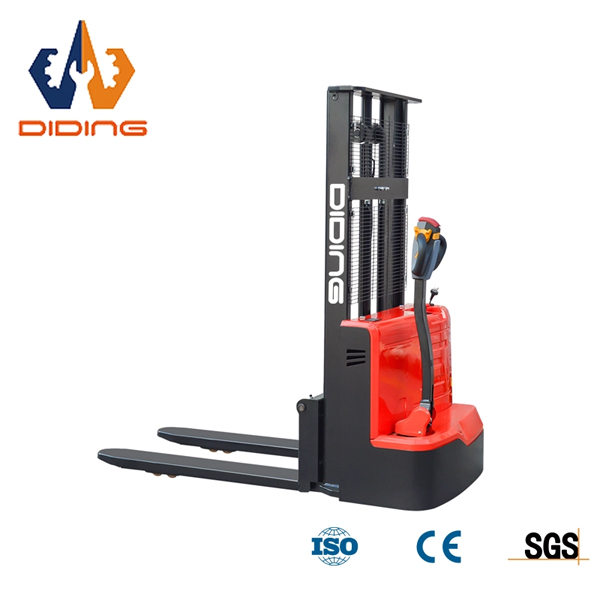
To keep accidents from happening with electric pallet stackers, strict safety rules must be put in place that cover everything from training operators to keeping tools in good shape to the surroundings at work. Electric pallet stackers are necessary tools for moving things around in factories and stores, but they can be very dangerous if the right safety rules aren't followed. Systematic pre-operation checks, operator certification programs, and advanced safety technologies can all help prevent accidents and make workplaces safe for everyone while still keeping operations running smoothly in a wide range of industrial settings.

Understanding Electric Pallet Stacker Safety Risks and Common Causes of Accidents
Electric stackers are now an important part of running a modern warehouse, but they also pose some safety issues that workers and managers need to think about ahead of time. Material handling equipment accidents can happen for a number of reasons, such as technical problems or mistakes made by people. This is why thorough risk assessment is so important for keeping workplaces safe.
Load Instability and Tipping Hazards
One of the biggest safety risks with box handling tools is that the load may not stay stable. When people try to lift things that aren't level or aren't properly secured, the equipment's center of gravity moves, which could lead to dangerous tipping incidents. In stores with smooth concrete floors, where equipment stability rests on how well the weight is distributed and how the person works, these situations are especially dangerous.
Modern stackers are built with features that make them more stable, like strong core construction and carefully designed systems for distributing weight. Strongly built equipment with high stability ratings can handle tricky load setups better and lower the risk of accidents happening when it tips over. But even well-designed machinery can't make up for bad loading techniques or inexperienced operators.
Operator Error and Training Deficiencies
About 85% of mistakes that happen when people are moving things around in factories are caused by human error. Some of the most common mistakes operators make are going over the maximum load, not moving properly in tight areas, and not doing pre-operation checks. A lot of mistakes happen when workers get used to doing the same things over and over again and skip over safety rules to save time or effort.
Operator-related accidents happen a lot more often when training programs aren't good enough. Workers who don't fully understand what their tools can do, how loads move, and what to do in a situation put themselves and their coworkers at risk. To make truly skilled operators, effective training must include more than just basic operation methods. It must also teach operators how to spot hazards, handle emergencies, and be aware of upkeep needs.
Equipment Failures and Maintenance Issues
Powered material handling equipment often breaks down mechanically because it wasn't maintained properly or because parts were worn past their allowed limits. Battery issues, failures of drive motors, problems with the hydraulic system, and problems with electronic parts can all cause sudden safety risks that put workers and people close in danger.
Pay close attention to the battery systems because they power both the pulling tools and the drive functions. Equipment with 24V/82Ah maintenance-free gel batteries and built-in chargers makes upkeep easier and makes sure that power is delivered reliably. There are improvements for lithium batteries that improve performance and lower the need for upkeep, which improves overall safety and operating efficiency.
Core Safety Protocols to Prevent Electric Pallet Stacker Accidents
Putting in place systematic safety practices is the first step in keeping pallet stacker electric material handling activities accident-free. These rules need to cover things like the state of the tools, how skilled the operators are, and environmental factors that affect safe operation.
Pre-Operation Inspection Procedures
Daily checks before use are the most important part of machine safety plans. Operators must regularly check important parts like the safety systems, lifting devices, batteries, and the state of the forks. Inspections that look closely find possible issues before they get worse and become dangerous. This keeps crashes and expensive equipment damage from happening.
When they are kept in good shape, modern stackers with 0.9kW AC drive motors and 2.2kW AC lifting motors work reliably. When compared to standard DC systems, the AC motor configuration is easier to handle and needs less upkeep. During reviews, workers should make sure that the motors work, listen for strange sounds, and make sure that the machine responds correctly to control inputs.
Comprehensive Operator Training Programs
Operator training that works includes both learning about the theory and getting better at using it. The training must cover how to use the tools, how to move around in the workplace, how to handle heavy loads, and what to do in an emergency. Certification programs make sure that operators show they know how to use technology before they let it run on its own in an industrial setting.
Training programs should stress how important it is to know the specs of equipment, such as its load limits and operating conditions. Operators of stackers whose fork lengths and widths can be changed need to know how these changes affect the machine's steadiness and how it handles. When workers know what their tools can do, they can make smart choices about how to move and handle loads.
Environmental Optimization Strategies
The setting in a warehouse has a big effect on how safe and efficient the equipment is. Keeping the aisles clear, making sure there is enough lighting, and making sure the floor is in good shape can lower the risk of accidents and boost output. Setting up safety obstacles, controlling traffic, and designating areas for material handling tools to work are all examples of environmental optimization.
The right lane width gives stackers with different fork setups enough room to move around. For heavy-duty equipment to work safely, it needs enough space to move around without running into racks, buildings, or other machines. To make sure equipment is safe to use, environmental planning has to take into account its size, turning radius, and load overflow.
Advanced Safety Features Integrated in Modern Electric Pallet Stackers
Modern equipment for moving things around has advanced safety features that make operators safer and lower the risk of accidents. The features listed here are big improvements over older versions of tools and add extra layers of safety.
Automatic Braking and Stability Systems
Modern stackers have automatic braking systems that stop the machines when the workers take their hands off the drive controls or when the machines sense situations that could be dangerous. These methods keep things from going too far and allow for controlled stops in a range of load conditions. Stability tracking systems check the balance of equipment all the time and can stop pulling functions if the risk of tipping over goes the safe limit.
Advanced power control systems keep an eye on how much energy is used and how well the equipment is working when it is connected to LI-ION batteries. These systems improve battery life and device reliability while giving early warnings of possible problems. When safety systems are combined with intelligent power management, workers and machinery are fully protected.
Load Monitoring and Overload Protection
Advanced load sensors constantly check how the weight is distributed and how much of the capacity is being used. This keeps workers from pulling more than is safe. These systems let you know visually and audibly when they're getting close to their limits, and they can stop lifting tasks instantly if they sense that they are being used too much. Accidents that happen because of instability are much less likely to happen with load tracking technology.
For stackers designed for heavy-duty tasks to be safe to use across their full size range, they need very advanced load tracking systems. Structure strength and smart tracking work together to make tools that can handle tough jobs while still keeping safety margins that protect workers and loads.
Emergency Stop Functions and Alarm Systems
When dangerous events happen, emergency stop devices let you turn off pallet stacker electric equipment right away. Modern emergency stop features include sounds that can be heard, signs that can be seen, and automatic system isolation to make sure that help can be sent quickly to dangerous situations. These systems need to be easy for users to get to and clearly marked so that they can be found in an emergency.
By combining emergency stop features with other safety systems, full security networks are made that can handle a wide range of threat situations. Operators need to be taught the right way to do an emergency stop and know when and how to use these important safety tools.
Maintenance and Training: Pillars for Long-Term Safety and Performance
Strong maintenance plans and continued efforts to improve operator skills are needed for long-term safety performance. These parts are all linked to each other and work together to keep technology safe and effective for as long as it is used.
Preventive Maintenance Strategies
Systematic preventive maintenance takes care of possible issues before they become unsafe or stop working properly. To make sure that equipment works as reliably as possible, maintenance plans need to take into account how it is used, the situations it is in, and what the maker recommends. Battery care, hydraulic system service, electrical system inspection, and mechanical component study are all regular upkeep tasks.
Equipment with built-in chargers makes battery upkeep easier and makes sure that the right charging methods are followed. Integrated charge systems make it easier to follow battery care instructions, which lowers the risk of power problems that could put people in danger. Taking care of batteries the right way keeps them working well and improves the life of tools.
Ongoing Training and Certification Programs
For operators to stay competent, they need to keep learning and improving their skills through repeat training, skill assessments, and new information. New tools, changing work conditions, and lessons learned from event analysis mean that training programs need to change over time. Regular training makes workers more aware of safety issues and makes sure they stay up to date on the best ways to do things.
Troubleshooting common issues, spotting trends of equipment wear, and knowing the connection between safety and maintenance should all be part of advanced training. When operators know how their equipment works, they can spot possible issues early on and take the right steps to keep crashes and damage to equipment from happening.
Supplier Support and Technical Assistance
Through professional support, training materials, and maintenance help, equipment providers are very important for long-term safety and success. Having good ties with suppliers makes it easier to get genuine parts, technical help, and safety updates that keep tools in great shape.
Because some parts can be changed, like the lengths and widths of the forks, they need ongoing help from the seller to make sure they are set up correctly and safely. Technical support helps workers get the most out of their tools for specific tasks while still meeting safety standards and running the business efficiently.
Choosing the Right Electric Pallet Stacker for Safety and Efficiency
Choosing the right pallet stacker electric equipment has a big effect on how safe it is to use and how well it works in the long run. Professionals in procurement have to look at a lot of different factors to find stackers that are both safe and meet the needs of a particular application.
Capacity and Application Matching
Proper equipment size makes sure that there are enough capacity gaps while avoiding equipment that is too big and might be hard to move around in small areas. Load capacity standards must take into account both the highest load that can be predicted and safety factors to keep things from getting too heavy. An application study should look at the types of loads, how often they are handled, and the characteristics of the operating setting.
More structural strength and steadiness are found in stackers made for heavy-duty jobs, which helps with hard tasks. Strong construction and the right capacity values make sure that the machine can be used safely in a wide range of material handling situations and will continue to work well for a long time.
Safety Feature Evaluation
A thorough evaluation of safety features helps procurement workers choose tools that offers the best protection for their needs. Things to think about when it comes to safety are stability systems, load tracking, emergency stops, operator protection, and easy entry for repair. More advanced safety measures may cost more at first, but they save a lot of money in the long run by lowering the chance of accidents and increasing insurance benefits.
When you combine several safety systems together, they work together to protect you better than any single feature could do alone. Modern stackers have both mechanical safety features and electronic tracking and control systems that work together to protect the operator in all kinds of working situations.
Total Cost of Ownership Analysis
Costs tied to safety make up a big part of the total cost of ownership of tools. Accident prevention cuts down on direct costs like medical bills, broken equipment, and fines from the government. It also cuts down on secondary costs like lost output, teaching new workers, and damage to the company's image. Putting money into better safety features pays off because they lower risk and keep operations running smoothly.
Long-term ownership costs include things like training, repairs, and maintenance, which can be very different for different types and models of tools. Even though they might cost more at first, equipment with a history of stability and a large provider support network usually has lower total ownership costs.
Conclusion
Electric pallet stackers are useful tools for moving things around in many different industries, but they need to be used safely, which means following strict rules about how to maintain the machines, train operators, and make sure the workplace is safe. Modern stackers with advanced safety technologies, strong construction, and smart tracking systems offer better safety while keeping operations running smoothly. Systematic maintenance, thorough operator training, and careful equipment selection are all important parts of preventing accidents. These things work together to make workplaces safe for everyone, protect workers, and meet efficiency goals. When companies put safety rules first and buy high-quality tools with tried-and-true safety features, they get better operational results and lower risk across all of their material handling activities.
FAQ
What are the most common ways that electric pallet stackers can be dangerous?
The biggest safety risks are unstable loads that can fall over, operator mistakes because they haven't been trained well enough, broken equipment from not being maintained properly, and environmental dangers like narrow hallways or bad lighting. These risks can be successfully controlled by getting the right training, keeping things in good shape, and following safety rules.
How often should safety checks on electric pallet stackers be done?
Daily checks before use are necessary to make sure the machine is safe. These checks should include the battery, the fork, the pulling mechanisms, and the safety systems. Also, thorough maintenance checks once a month and detailed inspections once a week help find problems before they become safety risks.
What safety features should I look for when purchasing an electric pallet stacker?
Automatic stopping systems, load capacity tracking, emergency stop functions, stability control systems, and overload protection are some of the most important safety features. To make sure they can be used safely in a variety of situations, modern stackers should also have reliable battery systems, strong structure design, and full operator safety systems.
Partner with Diding Lift for Superior Electric Pallet Stacker Solutions
Diding Lift is ready to help your company set up thorough safety rules with our cutting-edge electric pallet stacker systems, which are made for the best safety and performance. Our tools have 24V/82Ah gel batteries that don't need to be maintained, chargers that are built in, and strong AC motor systems that work reliably and meet high safety standards. With fork configurations that can be changed, lithium battery upgrades that can be added, and strong structure designs made for heavy-duty use, our stackers have the safety features and performance capabilities that your business needs. Get in touch with us at sales@didinglift.com to talk about your electric pallet stacker provider needs and find out how our 12 years of experience can help you handle your materials more safely and efficiently.
References
Materials Handling Institute Safety Guidelines for Powered Industrial Trucks, 2023 Edition
Occupational Safety and Health Administration Standards for Material Handling Equipment Operation
International Association of Fire Safety Science Research on Warehouse Equipment Safety Protocols
American National Standards Institute Guidelines for Electric Material Handling Equipment Design
National Institute for Occupational Safety and Health Study on Forklift and Stacker Accident Prevention
Industrial Accident Prevention Association Manual on Powered Stacker Safety Training Programs