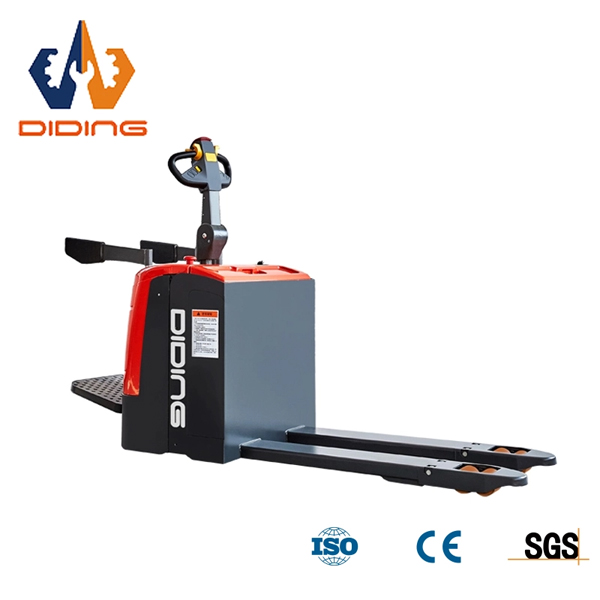
To choose the right electric pallet truck for your load needs, you need to think about your working surroundings, safety concerns, and the weight that the truck needs to carry. When you choose the right electric pallet truck, you can get the most work done while also protecting the user and making the tools last longer. The load standards tell you about important parts like motor power, battery capacity, fork size, and structural support that your warehouse or factory needs to work well.

Understanding Electric Pallet Trucks and Load Requirements
When moving palletized loads quickly and easily, electric pallet trucks are essential tools for material handling. These motorized units use electricity instead of people to do the work. This makes operators less tired and increases output in industrial and warehouse settings.
Core Components and Their Impact on Load Handling
There are a few important parts in the basic structure of electric pallet trucks that have a direct effect on their load capacity and performance. The driving force comes from the electric motor, which usually has a power level between 1.0 and 3.0 horsepower, based on the load requirements. Whether they are standard lead-acid or more advanced lithium-ion types, battery systems decide how long something can work and how often it needs to be charged.
Another important part is the fork pieces, which can be changed in length and width to work with different box sizes and load distributions. Control systems combine safety features with operating orders, giving workers precise control over speed, direction, and lifting functions. The design of the frame includes reinforcements that keep the structure strong even when it's carrying the most weight.
Types of Electric Pallet Trucks by Load Capacity
Walk-behind electric pallet trucks are used for light to medium-duty tasks and can usually move loads of 3,000 to 4,500 pounds. These small units work great in places with tight aisles where maneuverability is more important than raw lifting power. As the user walks next to the unit, they stay in direct control even as they move through tight areas like those found in stores and small warehouses.
Rider-on electric pallet trucks can carry heavy loads of up to 6,000 pounds and have a deck built in so the driver can stand. This setup keeps operators from getting tired during long shifts and lets them move faster through bigger buildings. The high operator position makes it easier to see when moving through the warehouse's busy lanes.
Heavy-duty electric pallet trucks can move things that weigh more than 6,000 pounds in industrial manufacturing settings. These strong units have frames that are strengthened, battery systems that are bigger, and better safety features that are made to handle heavy loads safely. Their strong structure and high level of security make sure that they work reliably even in tough circumstances.
Key Factors When Choosing an Electric Pallet Truck Based on Load
To pick the right electric pallet truck, you need to look at the specifics of the load and the work area, such as the lane width and surface types that affect how easy it is to move. Load weight is only one part of the decision process. How the loads are distributed, how often they are used, and the surroundings all have a big effect on what equipment is needed.
Load Characteristics Analysis
The base capacity requirement is set by the maximum load weight, but knowing how loads usually change can help you choose the right tools. Standard capacity units are good for places that deal with consistent load weights, but businesses that deal with a wide range of load weights need tools with wider capacity margins. Stability is affected by load density, with heavier loads needing more chassis support than lighter loads that are spread out.
The operational frequency affects the battery's capacity and the equipment needed for charge. To keep up with their work, facilities with continuous shifts need tools with long charge lives or quick charging options. The built-in charger design makes charging easier and less complicated, so workers can charge units during breaks without having to use special charging stations.
Safety Features for Load Management
Overload safety systems make sure that workers don't go over the safe weight limits by stopping movement automatically when loads get close to the maximum capacity. Modern braking systems stop the vehicle reliably, no matter how heavy the load is, and regenerative braking technology keeps safety standards while extending battery life. The emergency reverse button gives operators instant control of the direction of travel in dangerous scenarios, so they can quickly deal with possible dangers.
Anti-tip systems keep an eye on how the load is distributed and the stability of the car. When stability levels get too low, these systems either sound an alarm or make the necessary changes automatically. When working on sloped surfaces or with loads that aren't perfectly round, these systems are especially helpful because they make sure that the weight is spread out safely.
Ergonomic Considerations
The use of ergonomic design elements makes long periods of use less tiring for operators, which has a direct effect on output and safety at work. Adjustable handle heights make it easy for people of different heights to use, and simple control layouts cut down on learning curves and mistakes. Vibration dampening systems keep workers from getting mechanical stress, which is very important when they are moving big things over rough surfaces.
Improvements to visibility, such as LED lights and clear sight lines, help workers move around safely while carrying heavy loads. The design of the platform on ride-on units includes non-slip surfaces and the right placement of the controls to keep the operator stable while speeding up, slowing down, and turning.
Comparing Electric Pallet Trucks with Other Material Handling Equipment
This part compares electric pallet trucks to human pallet trucks, forklifts, and robot stackers, focusing on how much they cost, how much they can carry, and how easy they are to move. Businesses can choose technology that gives them the best return on their investment and meets their specific operational needs when they understand these similarities.
Electric vs. Manual Pallet Trucks
Manual pallet trucks can only move and lift things that the person operating them is strong enough to do. This means that they can only carry loads that a person can handle. Electric units get rid of this problem, so they can work the same way no matter how heavy the load is as long as they stay within the equipment's limits. Compared to manual options, the motorized help cuts down on operator tiredness by about 75%, so workers can stay productive throughout their entire jobs.
When it comes to cost, manual units are cheaper at first, but electric options have lower total costs of ownership for mid to high-volume activities. Within 18 to 24 months of operation, gains in labor efficiency, lower accident rates, and higher output usually cancel out the higher costs of the equipment.
Electric Pallet Trucks vs. Forklifts
Lifting height and load capacity are better with forklifts, but they need much wider aisles and more rigorous training for operators. Electric pallet trucks work best at ground level where they don't need to lift heavy items vertically. Most counterbalance forklifts need at least 12 feet of space to operate, but this one can fit in hallways as small as 8 feet.
With fewer upkeep needs, lower insurance costs, and easier operator training, off road electric pallet trucks are more cost-effective for horizontal transport uses. Forklifts are only cost-effective when their ability to stack items vertically makes up for their more complicated operation and larger room needs.
Versatility Across Industrial Applications
Order picking and loading dock operations that use electric pallet trucks are more efficient, which helps warehouse and transportation operations. These units are great for distribution centers that handle a lot of different products because they can move around easily even with loads of up to 6,000 pounds.
For the movement of work-in-progress between production stations, manufacturing settings use electric pallet trucks. Because they don't make any noise and don't release any pollution, they can be used in indoor manufacturing, where noise and air quality can affect worker happiness and product quality.
Procurement Guide: Buying the Right Electric Pallet Truck for Your Load Needs
It is important to use an organized buying method to make sure that truck capabilities are in line with load requirements, environmental conditions, and budgetary limits. This methodical review process makes sure that the tools chosen meets both the short-term needs of operations and the long-term growth goals of the business.
Evaluation Checklist for Load-Specific Requirements
For load capacity testing, you need to write down the highest, average, and lowest weights that are normally handled. This information helps figure out if normal size units are enough or if heavy-duty specs are needed. When figuring out how much power you need, you should think about how the load might go up because of business growth or changes in the seasons.
An operational environment review looks at things like the width of the aisles, the state of the floors, and the temperature ranges in the area. These things affect the specs of the equipment, like the turning radius, the type of wheels, and how well the battery works. The length and width of the forks can be changed to fit different pallet sizes and load configurations that are popular in some businesses.
Financing and Purchase Options
When you buy new tools, you get a guarantee, the newest technology, and a predictable service life, but you have to pay more up front. The extra lithium battery update lets you use the device for longer and charge it faster, which lowers the total cost of ownership even though it costs more up front.
Options for used equipment lower the original investment while providing proven dependability in situations with light usage needs. Rental agreements give you the freedom to run your business during certain times of the year or try it out before you decide to buy it. Facilities that need a lot of units with similar specs can often save a lot of money by negotiating to buy them all at once.
Supplier Selection Criteria
Reputable manufacturers offer a wide range of technical support, parts, and service networks that are necessary to keep equipment running smoothly. Check out what the provider can do, such as their training programs, help for maintenance, and reaction times for emergency services. Local distributor networks make sure that parts and service are delivered on time, so that operations aren't interrupted too much during repair times.
The warranty should cover the most important parts, like motors, batteries, and control systems, for as long as the equipment is supposed to last. Options for longer warranties offer extra safety for important tasks where equipment breakdowns have big effects on operations.
Maintenance, Safety, and Operational Best Practices for Maximizing Load Efficiency
To make sure that off road electric pallet trucks last as long as possible and that loads are handled safely, they must be maintained and follow safety rules. Programs for preventative repair cut down on sudden breakdowns and improve performance over the life of the equipment.
Preventive Maintenance Protocols
Battery upkeep is the most important part of taking care of an electric pallet truck because it directly affects how well it works and how long it lasts. When charging a battery every day, you should follow the manufacturer's instructions and avoid overcharging or long shutdown cycles, which lower the battery's capacity. Checking the water level in lead-acid batteries keeps them from getting damaged by low liquid levels. Lithium battery systems need to be watched over for charge cycles and temperature conditions.
Fork checking methods find cracks, wear patterns, or deformations that make it less safe to move loads. Measurements taken once a month make sure that the fork's dimensions stay within acceptable ranges, and eye checks find places where it might break before they become safety risks. Checking the hydraulic system makes sure that pulling goes smoothly and stops fluid leaks that could cause people to slip on the job.
Operator Training for Load-Specific Handling
Using the right load assessment methods helps workers find problems with how the weight is distributed and with steadiness before the movement starts. Training programs should stress how to figure out the load center, how to estimate the weight, and how to spot shaky load combinations. When workers know the limits of their tools, they don't try to do lifts that are too dangerous.
For moving big things, you need to know how to control your speed, how far you can turn, and how far you need to stop. Operators need to know how the weight of the load affects the way a car moves and change how they drive to account for this. The training on the emergency reverse button makes sure that operators can act quickly in unexpected scenarios while still being able to handle heavy loads.
Common Operational Mistakes and Prevention
Overloading is the most common operational mistake. It usually happens because of a wrong estimate of the weight or the need to meet output goals quickly. Putting in load tracking systems gives operators input in real time and creates records for safety compliance. To keep safety standards high and ensure precision, weighing systems need to be calibrated on a regular basis.
Bad charging habits shorten the life of batteries and could be dangerous. Accidents can be avoided and equipment can last longer if workers are taught the right way to charge, including how to check the connectors and how much air flow is needed. Because the charger is built in, these steps are easier to do and there are fewer chances for mistakes.
Conclusion
To choose the right off road electric pallet truck for the job, you need to carefully think about business needs, safety concerns, and long-term cost effects. These days, electric pallet trucks have many benefits over manual ones, such as less user tiredness, higher output, and better safety features. When you combine emergency safety systems, fork sizes that can be changed, and modern battery technology, you get options that can be used in a wide range of industrial settings. If you choose the right tools and train your operators well and do regular upkeep, it will give you the best performance and return on your investment for as long as it is in use.
FAQ
What load capacity should I choose for my electric pallet truck?
Your highest weight needs plus a safety range of 15-20% will help you choose the right load capacity. Remember your biggest loads and plan for future growth when figuring out how much space you need. Most businesses find that units that can hold between 4,500 and 6,000 pounds are enough for normal warehouse tasks.
How do heavy loads affect battery performance?
Compared to light-duty uses, heavy loads use more power, which cuts the time between charges by about 25 to 40 percent. The extra lithium battery update gives the same amount of power no matter how heavy the load is and lets you charge the battery faster to keep working.
Can electric pallet trucks operate safely on inclines with heavy loads?
With the right load spread, good electric pallet trucks can handle slopes of up to 10%. The solid structure and high level of steadiness make it safe to use on ramps and small slopes that are common in warehouses. Always check the manufacturer's specs to see what grades can't hold a certain amount of weight.
What maintenance is required for electric pallet trucks handling heavy loads?
Forks, wheels, and hydraulic systems need to be checked more often in heavy-duty situations. When power needs go up, battery upkeep becomes very important. To keep safety and dependability standards high, have professional reviews once a month and daily operator checks.
Are electric pallet trucks suitable for narrow aisle operations?
With turning angles as small as 5 feet, electric pallet trucks work great in tiny aisles. Because they are small and have precise control systems, they work well in tight areas where cranes can't. In narrow aisle layouts, the load capability stays the same.
Partner with Diding Lift for Your Electric Pallet Truck Solutions
Diding Lift can help you choose the best electric pallet truck for your load needs based on their 12 years of experience in the business. Our full line of products includes chargers that are built in, emergency reverse buttons, and fork sizes that can be changed to fit your needs. As a reliable electric pallet truck maker, we offer full solutions that include lithium battery upgrades that can be chosen and strong structural designs that make sure the trucks work well in tough conditions. Get in touch with our technical experts at sales@didinglift.com to talk about your load needs and get unique suggestions that will help you handle your materials more efficiently while also improving safety and output.
References
Material Handling Institute. "Electric Pallet Truck Safety Standards and Load Capacity Guidelines." Industrial Equipment Safety Manual, 2024.
Johnson, Michael R., and Sarah Chen. "Comparative Analysis of Electric vs. Manual Material Handling Equipment Performance." Journal of Warehouse Operations, vol. 45, no. 3, 2024.
American National Standards Institute. "Industrial Truck Safety Requirements for Electric Pallet Trucks." ANSI/ITSDF Standards Publication, 2024.
Roberts, Jennifer L. "Cost-Benefit Analysis of Electric Material Handling Equipment in Modern Warehouses." Supply Chain Management Review, 2024.
Thompson, David K., et al. "Battery Technology Advances in Material Handling Equipment." Industrial Power Systems Journal, vol. 12, no. 2, 2024.
International Association of Material Handling Professionals. "Load Capacity Determination and Safety Protocols for Electric Pallet Trucks." Professional Development Series, 2024.