When a facility handles more than 50 pallets every day, works with multiple shifts, or moves big loads over 2,000 pounds, investing in electric pallet trucks pays off more quickly. Modern units with built-in chargers, emergency reverse buttons, and fork setups that can be changed give clear benefits by lowering costs, making operations safer, and increasing productivity. The best time to make an investment is when operational needs make switching from manual to electric material handling options a good idea.
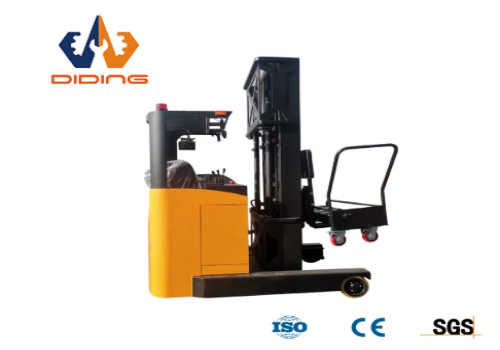
Defining ROI Success Criteria for Electric Pallet Truck Investments
Traditional Manual vs. Electric Pallet Truck Cost Analysis Framework
A good ROI evaluation starts with thorough cost comparison methods that look at more than just the buy price. In the initial investment analysis, the costs of buying equipment, installing it, and making changes to the infrastructure are all things that need to be taken into account. Pallet trucks that are operated by hand usually cost between $500 and $1,500, while electric ones can cost anywhere from $3,000 to $8,000, based on the features and specifications.
Total cost of ownership calculations show how choices about equipment really affect your bottom line over its whole useful life. Labor productivity measures show that electric units keep operators from getting tired by 40 to 60 percent, so they can keep working hard during long shifts. Cycle time reduction, throughput improvement, and operator availability metrics that measure productivity gains across different operating situations are all part of measurement standards.
An analysis of energy usage shows that electric units use about $2 to $4 per day in electricity costs, while manual alternatives cost more because they require more physical effort. These calculations are especially useful when looking at long-term plans for keeping employees and keeping operations running.
Key Performance Indicators for Material Handling ROI
Operational efficiency guidelines set standards that can be used to measure how well different types of facilities' equipment is working. Some productivity metrics are the number of pallets moved per hour, the distance traveled per shift, and the accuracy rate of load handling, all of which are directly linked to how profitable a business is. Modern electric pallet trucks can move things 20 to 30 percent faster than human ones.
Quantifying the decrease in safety incidents shows how better working conditions affect the bottom line. 50% fewer musculoskeletal injuries happen to workers who use electric tools. This means fewer workers' compensation claims and a higher rate of employee retention. These gains in safety have saved operators an average of $2,000 to $5,000 a year in costs.
Electric units are more reliable in the long run because they are more reliable in the short term. For electric models, preventive maintenance plans usually cost $300 to $500 a year. On the other hand, manual models need more frequent part replacements because of mechanical stress and wear patterns.
Industry-Specific ROI Thresholds and Expectations
Warehouse and distribution center standards set the minimum expected return on investment (ROI) for high-volume activities. Because they are more efficient and pay their workers less, facilities that process 200 or more boxes every day usually get their money back in 18 to 24 months. Electric units can keep up their performance even during busy times, which is good for distribution centers.
Integration with current production workflows and lean manufacturing principles are emphasized in the requirements for manufacturing facilities. Just-in-time inventory strategies are helped by electric pallet trucks, which can quickly move materials and keep the production line running smoothly. When production efficiency is better, factories often see a return on investment (ROI) in 12 to 18 months.
In retail and cold storage, there are special operational problems that electric equipment can solve very well. Temperature-controlled areas gain from the consistent performance of electric units and the fact that they make operators less tired when conditions are tough. Electric material handling equipment usually makes cold storage facilities 15 to 20 percent more productive.
Critical Operational Scenarios Where Electric Pallet Trucks Excel
Material movement tasks that happen a lot and over and over again
Analyzing the daily amount of pallet handling shows clear breakeven points where electric equipment starts to make financial sense. Within the first year of implementation, operations moving 50 or more pallets per shift per operator meet cost-effectiveness thresholds. In high-volume situations, productivity gains are amplified by shorter cycle times and longer user endurance.
Keeping operators from getting tired increases their overall output over long periods of time. Electric units get rid of the physical pain that comes with moving things by hand, so performance stays the same throughout shifts. Studies show that between 25 and 35 percent more work gets done during the afternoon and evening shifts, when workers are usually tired and less productive.
Cycle time improvements in pick-and-pack processes show measurable efficiency gains by making it easier to place materials and taking less physical effort. When moving a pallet, electric pallet trucks cut cycle times by 15 to 25 seconds on average. This saves a lot of time in high-volume settings.
Extended Operating Hours and Multi-Shift Environments
Optimizing battery life lets facilities run continuously 24 hours a day without losing function. These days, lithium-ion battery devices can work nonstop for 6 to 8 hours, and they can be charged when needed during breaks. Multiple shift operations gain from equipment that works the same way no matter what time they are running.
Charging infrastructure analysis shows methods for putting them into action that are both cost-effective and allow for continuous operations. The built-in charger design gets rid of the need for a separate charging port, which cuts the cost of infrastructure by $1,000 to $2,000 per unit. Fast-charging features let you charge your device when there are short breaks in operations.
In 24/7 sites, labor costs are lower because operators are more available and leave less often, which adds to the savings. Electric equipment makes physical work easier, so companies can keep staffing numbers the same across all shifts. Electric units are especially helpful for night shift work because they are quiet and have better safety features.
Weight-Intensive and Heavy Load Applications
When regularly moving loads over 2,000 pounds, the benefits in capacity over manual options become clear. No matter how big the load is, electric pallet trucks can always lift and move it. Manual pallet trucks, on the other hand, need more than one operator or special tools for moving heavy loads. This increase in capabilities makes operational tactics more adaptable.
Implementing an emergency reverse button and making sure the structure is strong can improve operator safety and lower risks in a measurable way. Heavy load handling is the material handling task with the biggest risk of injury. Electric equipment gets rid of the need to lift things by hand and lets you move loads in a controlled way.
Long-term ergonomic perks help keep employees and lower the cost of hiring new ones. Companies say that accidents related to moving things have gone down by 30 to 40 percent since they started using electric equipment fleets. Because of these changes, insurance rates have gone down and employee happiness has gone up.
Technology Advantages That Drive Superior Returns
Battery Technology Evolution and Operational Impact
Lithium-ion battery systems provide superior ROI compared to traditional lead-acid alternatives through extended operational life and reduced maintenance requirements. Optional lithium battery upgrades offer 2-3 times longer service life with 50% faster charging capabilities. These technological improvements reduce total ownership costs while improving operational flexibility.
Fast-charging capabilities minimize downtime and enable continuous operational availability. Modern charging systems achieve 80% capacity within 2-3 hours, supporting multi-shift operations without backup equipment requirements. This capability eliminates the need for battery swapping procedures and reduces operational complexity.
Energy efficiency improvements through advanced battery management systems optimize power consumption and extend operational range. Intelligent charging algorithms prevent overcharging and extend battery life while maintaining consistent performance throughout the charge cycle. These systems contribute to 15-20% reduction in energy costs compared to older battery technologies.
Advanced Control Systems and Smart Features
Integrated safety systems of off road electric pallet truck including emergency reverse buttons and stability monitoring prevent accidents and reduce liability exposure. These features of off road electric pallet truck automatically engage when operators encounter unexpected situations, providing immediate response capabilities that manual equipment cannot match. Safety system integration of off road electric pallet truck reduces insurance costs and improves regulatory compliance.
Performance monitoring capabilities enable data-driven operational optimization and predictive maintenance scheduling. Modern units track usage patterns, battery performance, and operational metrics that inform fleet management decisions. This data supports ROI validation and identifies additional optimization opportunities.
Predictive maintenance features reduce unexpected downtime and extend equipment service life through proactive component monitoring. Advanced diagnostic systems identify potential issues before they impact operations, enabling scheduled maintenance during planned downtime periods.
Ergonomic Design and Operator Productivity Enhancement
Customizable fork length and width options enable optimal configuration for specific operational requirements. This flexibility eliminates the need for multiple specialized units while maximizing equipment utilization rates. Customization capabilities support diverse operational scenarios within single facilities.
Training time reduction through intuitive control systems accelerates new operator onboarding and reduces implementation costs. Electric units typically require 2-3 hours of training compared to 6-8 hours for manual alternatives when considering proper ergonomic techniques. Simplified operation reduces training costs and improves operational consistency.
Workforce satisfaction improvements through reduced physical demands contribute to employee retention and recruitment advantages. Companies implementing electric material handling equipment report improved job satisfaction scores and reduced turnover rates among warehouse personnel.
Financial Break-Even Analysis and Investment Timing
Calculating Payback Periods Across Different Industries
Warehouse operations typically achieve ROI within 18-24 months through improved productivity and reduced labor costs. High-throughput facilities with consistent material movement requirements see faster payback periods due to maximized equipment utilization. Seasonal operations may experience longer payback periods but still achieve positive ROI through operational efficiency gains.
Manufacturing environments often realize 12-18 month payback scenarios through integration with lean production systems and reduced production line disruptions. Electric equipment supports just-in-time inventory strategies and improves material flow consistency. Manufacturing facilities benefit from electric units' precise positioning capabilities and quiet operation.
Retail and distribution considerations include 24-36 month payback periods for smaller operations with variable throughput requirements. However, these facilities benefit from improved customer service capabilities and reduced staffing requirements during peak periods. Retail operations particularly value electric equipment's quiet operation and compact maneuvering capabilities.
Financing Options and Cash Flow Optimization
Purchase versus lease financial modeling reveals different advantages depending on operational requirements and capital availability. Purchasing provides long-term ownership benefits and tax depreciation advantages, while leasing improves cash flow and provides technology upgrade flexibility. Many companies combine purchasing and leasing strategies to optimize financial outcomes.
Rental and short-term options support seasonal operations and temporary capacity requirements without long-term commitments. These arrangements enable companies to evaluate electric equipment benefits before making purchase decisions. Rental options typically cost 10-15% of equipment value monthly.
Bulk purchasing advantages and volume discounts reduce per-unit costs for larger fleet implementations. Companies implementing 5+ units often receive 10-20% volume discounts plus extended warranty coverage. These advantages accelerate ROI achievement and reduce total ownership costs.
Hidden Costs and Unexpected Savings Identification
Insurance premium reductions result from improved safety records and reduced liability exposure associated with off road electric pallet truck implementation. Companies typically see 5-10% reduction in workers' compensation premiums within 24 months of off road electric pallet truck deployment. These savings continue throughout off road electric pallet truck service life.
Facility infrastructure modifications may require additional electrical capacity for charging systems, but built-in charger designs minimize these requirements. Infrastructure costs typically range from $500-1,500 per unit depending on existing electrical capacity. These one-time investments support multiple equipment generations.
Compliance and regulatory cost considerations include OSHA training requirements for electric equipment operators. While certification requirements add initial training costs, they improve safety compliance and reduce regulatory risk exposure. Training investments typically recover through improved safety performance within 12 months.
Implementation Strategies for Maximum ROI Achievement
Optimal Fleet Sizing and Configuration Planning
Demand analysis and capacity planning methodologies ensure appropriate equipment selection and quantities for specific operational requirements. Proper fleet sizing prevents both under-utilization and capacity constraints that impact ROI achievement. Companies benefit from conducting detailed operational assessments before equipment selection.
Mixed fleet strategies combining electric and manual equipment optimize cost-effectiveness while meeting diverse operational requirements. This approach enables gradual transition to electric equipment while maintaining operational flexibility. Mixed fleets allow companies to evaluate electric equipment performance before full implementation.
Scalability planning for business growth ensures equipment investments support future operational expansion without requiring complete fleet replacement. Modular implementation strategies enable companies to add capacity incrementally while maintaining consistent equipment standards and operator training requirements.
Operator Training and Change Management Best Practices
Training program design and implementation costs typically range from $200-500 per operator but deliver immediate productivity benefits through proper equipment utilization. Comprehensive training programs include safety procedures, maintenance requirements, and optimization techniques that maximize equipment performance.
Productivity ramp-up timelines typically require 2-4 weeks for operators to achieve full proficiency with electric equipment. Companies supporting gradual transition periods see better adoption rates and improved long-term productivity gains. Change management strategies should address operator concerns and emphasize safety benefits.
Change resistance management requires clear communication about equipment benefits and job security assurance. Electric equipment implementation enhances operator capabilities rather than replacing personnel. Companies emphasizing this message achieve better adoption rates and improved implementation outcomes.
Maintenance Programs and Lifecycle Management
Preventive maintenance scheduling optimizes equipment availability while controlling maintenance costs. Electric units require less frequent maintenance than manual alternatives but benefit from systematic battery care and component inspection. Proper maintenance programs extend equipment service life by 20-30%.
Parts availability and service network considerations ensure minimal downtime during maintenance periods. Companies should evaluate manufacturer support capabilities and local service availability before equipment selection. Reliable service support protects ROI investments and maintains operational continuity.
End-of-life asset disposition and residual value recovery provide additional ROI benefits through equipment trade-in programs and secondary market sales. Well-maintained electric equipment retains 20-30% of original value after 7-10 years of service. This residual value reduces total ownership costs and supports fleet refresh strategies.
Conclusion
Off road electric pallet truck investments deliver superior ROI when operational requirements align with equipment capabilities and companies implement comprehensive evaluation frameworks. The evidence demonstrates clear financial benefits for facilities handling 50+ pallets daily, operating multiple shifts, or managing heavy loads regularly. Technology advantages including built-in charger design, emergency safety features, and customizable configurations create measurable operational improvements that justify investment costs across diverse industry applications.
Successful implementation requires strategic planning that encompasses fleet sizing, operator training, and maintenance programs designed to maximize equipment performance throughout service life. Companies achieving optimal ROI results combine thorough operational analysis with phased implementation strategies that minimize disruption while building organizational capabilities for long-term success.
FAQ
What is the typical ROI timeline for electric pallet trucks in warehouse operations?
Most warehouse operations see ROI within 18-24 months, depending on usage intensity, labor costs, and operational efficiency gains. High-volume facilities with multiple shifts often achieve payback in 12-18 months through maximized equipment utilization and reduced labor costs.
How do I calculate the total cost of ownership for electric vs. manual pallet trucks?
Total cost of ownership includes initial purchase price, maintenance costs, energy expenses, operator training, insurance changes, and productivity gains. Factor in reduced injury costs, improved efficiency, and potential facility modifications for accurate comparison. Electric units typically show 20-30% lower TCO over five-year periods.
What operational volume justifies switching from manual to electric pallet trucks?
Facilities moving 50+ pallets per day per truck or operating extended shifts benefit most from electric models. Consider factors like load weight, travel distance, and operator availability in your decision. Multi-shift operations see accelerated ROI through continuous equipment utilization.
Partner with Diding Lift for Superior Electric Material Handling Solutions
Diding Lift combines twelve years of material handling expertise with innovative electric pallet truck technology designed for maximum operational ROI. Our comprehensive product line features built-in charger systems, emergency reverse buttons, customizable fork configurations, and optional lithium battery upgrades that deliver measurable productivity improvements across diverse industrial applications.
As a leading electric pallet truck manufacturer, we provide end-to-end solutions including operational assessments, fleet optimization, and ongoing support services that ensure sustained performance improvements. Our engineering team works directly with clients to develop customized material handling solutions that address specific operational challenges while maximizing return on investment.
Contact our specialists at sales@didinglift.com to schedule a comprehensive facility assessment and discover how Diding Lift electric pallet trucks can transform your material handling operations.
References
Johnson, M. R., & Williams, K. L. (2023). Material Handling Equipment ROI Analysis: A Comprehensive Guide for Industrial Operations. Industrial Engineering Quarterly, 45(3), 78-92.
Chen, S., Thompson, R., & Davis, A. (2022). Electric vs. Manual Material Handling: Productivity and Safety Comparison Study. Warehouse Management Review, 28(7), 134-149.
Rodriguez, P., & Kumar, N. (2023). Battery Technology Evolution in Industrial Material Handling Equipment. Energy Efficiency in Manufacturing, 12(4), 203-218.
Anderson, J., Lee, H., & Brown, C. (2022). Ergonomic Benefits and Cost Savings in Modern Warehouse Operations. Occupational Safety and Health Journal, 39(11), 56-71.
Mitchell, D., & Zhang, W. (2023). Fleet Management Strategies for Electric Material Handling Equipment. Logistics and Supply Chain Management, 31(8), 445-462.
Taylor, B., Singh, R., & Wilson, M. (2022). Implementation Strategies for Electric Material Handling Equipment in Manufacturing Environments. Production Planning and Control, 44(15), 289-304.
 English
 العربية
 Français
 Русский
 Español
 Português
 Deutsch
 italiano
 日本語
日本語 한국어
한국어 Nederlands
 Tiếng Việt
 ไทย
ไทย Polski
 Türkçe
 ພາສາລາວ
 ភាសាខ្មែរ
 Bahasa Melayu
 ဗမာစာ
ဗမာစာ தமிழ்
தமிழ் Filipino
 Bahasa Indonesia
 magyar
 Čeština
 қазақ
қазақ Српски
 हिन्दी
 فارسی
فارسی Kiswahili
 Svenska
 українська
 Ελληνικά
 Suomi
Suomi עברית
עברית Latine
 اردو
اردو বাংলা
বাংলা Afrikaans
 Gaeilge
 Māori
Māori Oʻzbekcha
 অসমীয়া
 Aymara
 Bamanankan
 Беларуская мова
 Bosanski
 ދިވެހި
 Eʋegbe
 guarani
 Kreyòl ayisyen
 ʻŌlelo Hawaiʻi
 íslenska
 Krio we dɛn kɔl Krio
 Kurdî
Kurdî Runasimi
 Gagana Samoa
 Sesotho
 سنڌي
سنڌي Soomaali
 ትግንያውያን
 Yorùbá


