4 directional forklift issues typically stem from complex steering mechanisms, hydraulic system malfunctions, battery degradation, and operator training gaps. Common problems include wheel alignment issues, steering response delays, hydraulic leaks, and battery performance decline. Solutions involve regular maintenance protocols, proper operator training, quality component replacements, and implementing predictive maintenance systems. Understanding these challenges and their remedies helps businesses maintain operational efficiency, reduce downtime costs, and ensure workplace safety in narrow aisle operations.
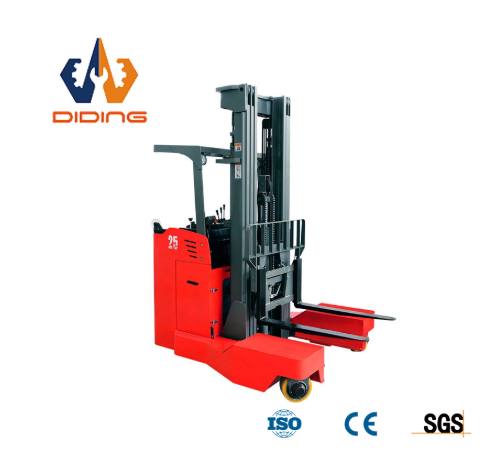
Common Problems Encountered with 4 Directional Forklifts
Knowing what operational problems happen on a regular basis helps companies deal with possible problems before they become costly downtime. Multidirectional forklifts are put under special stresses because they have to move in complicated ways and do specific jobs in narrow aisles.
Steering System Complications
One of the best and worst things about multi-directional trucks is that their turning systems are very complicated. When changing directions, especially when going from forward to lateral moving modes, wheel hinge systems are under a lot of stress. Some common driving problems are:
l Steering response time is slow when changing direction
l Too much play in the steering systems
l Wheel balance problems that make it hard to keep the load stable
l The hydraulic steering pump stops working
l Problems with electronic steering sensors
These problems usually show up as less flexibility, more tired operators, and possible safety risks during load handling operations. Because multi-directional steering systems are so complicated, they need special ways to diagnose problems and keep them in good shape.
Hydraulic System Defects
The hydraulic systems in 4-directional forklift types work hard in tough situations, helping with both lifting and moving in any direction. Because these systems can do two things at once, they create more stress points than regular trucks. Problems with hydraulics include seals wearing out, fluid contamination, and a drop in pump efficiency.
The degradation of hydraulic fluid is sped up by changes in temperature in warehouses, and the frequent changes in direction put extra stress on system parts. These things can cause the seal to fail early, the pulling capacity to drop, and the movement control to become less stable.
Battery and Power Management Issues
Because they can move in so many directions, electric multidirectional forklifts with load sizes between 2000 and 2500 kg use power in unique ways. Standard lead acid battery systems may lose power faster when they have to support frequent direction changes and continued operation in tight aisles. Problems with power control include:
l Less operating range during times of high use
l Power transfer problems when turning and lifting are done at the same time
l Unbalanced battery cells that hurt the general performance of the pack
l Inefficient charging systems in activities with multiple shifts
Modern choices for upgrading lithium batteries handle many of these issues by making them more energy dense and faster to charge, but they need different ways of being maintained and monitored.
Diagnosing and Solving Key Mechanical and Operational Issues
To troubleshoot effectively, you need to use a methodical approach that looks at both the signs and the reasons. Our full diagnostic system helps maintenance teams quickly find problems and fix them in a way that lasts.
Steering and Mobility Diagnostics
To get a correct analysis of a steering system, it must first be tested in controlled operating circumstances. While repair workers watch the wheel response patterns, steering effort requirements, and movement precision, operators should do standard moves. Electronic troubleshooting tools can find problems with sensors and changes in hydraulic pressure that might not be obvious to the naked eye.
Some important steps in the troubleshooting process are checking the hydraulic pressure at several places in the system, making sure the calibration of the electrical sensors is correct, and measuring the wheel alignment. These tests tell us if the problems are caused by worn-out parts, poor hydraulics, or issues with the computer controls, which lets us fix them more effectively.
Battery System Optimization
To figure out how well a battery works, you need to try its power and look at its charging cycle. Regular specific gravity readings and voltage tests under load conditions are good for lead acid systems in 4 way forklift uses. These tests find charge problems and weak cells before they affect working performance.
Different ways of diagnosing lithium battery systems are needed, with a focus on checking the balance of the cells and figuring out how to handle heat. Advanced battery management systems give you real-time information about how the battery is working, which lets you plan ahead for repair and find the best ways to charge it.
Hydraulic System Restoration
Hydraulic system repair starts with testing the fluid to see how contaminated it is and how much of the additives have been used up. Samples of clean fluid show the presence of metal particles, contaminated water, and chemical breakdown products that show specific wear patterns on parts. This knowledge helps with replacing specific parts and cleaning the system.
To make sure long-term dependability, replacing seals needs to be done with specific tools and careful fitting methods. Using original new parts made for multidirectional use keeps the system's purity and performance at a high level.
Maintenance Guide for Maximizing the Lifespan of Your 4 Directional Forklift
Proactive repair plans cut down on running costs by a large amount and increase the life of equipment. Regular checks and advanced monitoring technologies are used together in our tried-and-true maintenance system to improve performance and stop sudden breakdowns.
Daily and Weekly Inspection Protocols
Every day, thorough checks focus on the most important performance and safety signs. Before starting their shifts, operators should make sure the turning works well, check the amount of hydraulic fluid, and make sure the batteries are charged. These short tests find problems as they start to happen while they are still controllable.
Weekly checkups now include checking the state of the tires, making sure the forks are aligned correctly, and doing a full check of the hydraulic system. Maintenance workers should consistently write down what they find so that they can keep track of how parts wear out and plan proactive replacements.
Advanced Maintenance Technologies
Modern telematics systems change the way upkeep is done by constantly watching equipment and analyzing what problems might happen next. These systems keep track of working hours, load cycles, and performance metrics that help maintenance choices be based on facts. When warehouse management systems are integrated, detailed operational profiles are made that help with scheduling upkeep and making the best use of tools.
IoT-enabled sensors constantly watch over important parts and let repair teams know about problems before they stop operations. Because they have complicated systems and need to work in certain places, this technology helps multidirectional trucks the most.
Component-Specific Maintenance Requirements
Multidirectional forklifts have parts that aren't found on regular models, so they need special repair understanding and methods. Wheel pivot systems need to be greased regularly with special greases made for high-stress situations. Premium types with German-imported steel mast parts need extra care to keep them from rusting and keep their structural integrity.
The way you take care of lead acid and lithium batteries is very different. Monitoring the water level and charging to equalize lead acid batteries on a frequent basis is needed. Lithium systems, on the other hand, need temperature management and cell balance checks. Knowing these changes will help your battery work better and last longer.
Comparing 4 Directional Forklifts With Conventional Forklifts: Implications for Maintenance and Problem-Solving
Because multi-directional forklifts can move in more than one way, they need different care than regular lift trucks. Knowing these differences helps repair teams come up with the right ways to handle service calls and keep track of their supplies.
Design Complexity and Maintenance Impact
There are advanced wheel pivot systems, advanced hydraulic circuits, and specialized control electronics in 4 way forklift types that need different ways of upkeep than regular forklifts. Because it can move in more than one way, it needs more lubrication points, more complicated hydraulic routing, and electrical systems that keep an eye on how the movement works in each direction.
Because of these changes in design, upkeep is more difficult, but they also open up chances for better performance tracking and proactive maintenance plans. The extra sensors and control systems collect useful operating data that helps with planning when to do repair and replace parts.
Training and Expertise Requirements
Maintenance workers who work with multidirectional trucks need special training to learn how to fix problems and understand how the systems work together. Forklift repair that is more straightforward doesn't require as much expert understanding when it comes to steering systems and hydraulic circuits.
This investment in knowledge pays off by cutting down on testing time, making it easier to find problems, and raising the quality of repairs. To build a wide range of skills, training programs should stress both academic knowledge and practical experience with real tools.
Upgrading Your Fleet: Solutions and Considerations for Avoiding Common Pitfalls
Strategic fleet changes to work, operational needs, cost, and new technology must all be carefully considered. Our advice helps people who work in buying make smart choices that maximize both short-term business benefits and long-term value.
Replacement Versus Repair Analysis
When doing a cost-benefit study for multidirectional forklifts, you need to look at both the direct costs of repairs and the effects on business during downtime. Lifting equipment with heights between 3 and 10 meters and load capacities between 2000 and 2500 kg are important practical assets that should be carefully evaluated.
Some important factors are the supply of parts, how hard they are to fix, and how long the equipment is expected to last. Modern troubleshooting tools help figure out how much useful life something still has and what care it will need in the future. This lets you make decisions about replacements based on data.
Technology Advancement Benefits
New developments in multidirectional forklift technology make them much easier to use than older types. Better battery management systems, more efficient hydraulics, and more advanced features that help the user lower both the cost of running the machine and the amount of upkeep that needs to be done.
Lithium battery upgrade choices offer quick benefits by reducing the time needed to charge, increasing the operating range, and lowering the need for upkeep. These benefits usually make it worth it to spend money on upgrades because they increase business efficiency and lower labor costs.
Procurement Best Practices
For multidirectional forklift procurement to go smoothly, it's important to carefully evaluate each seller and make sure that the specifications match the needs of the business. When looking at different pieces of equipment, you should think about things like the required lifting height, the width of the aisles, and the daily operating processes.
It's important to know about warranty coverage and service support options when it comes to specific tools like 4 directional forklift models. Check to see if the vendor can help with both normal upkeep and emergency repairs so that there are as few interruptions to operations as possible.
Conclusion
When it comes to moving things, multi-directional forklifts are very advanced and need to be fully understood in terms of their specific operating difficulties and upkeep needs. Businesses can get the most out of the big practical benefits these high-tech machines offer by systematically finding problems, using preventative maintenance plans, and making smart choices about what to buy.
Investing in the right training, repair procedures, and monitoring tools pays off in a big way by lowering downtime, making equipment last longer, and making operations safer. As warehouses continue to move toward higher storage density and higher efficiency standards, multi-directional carts will become more and more important to stay ahead of the competition.
FAQ
What are the most critical maintenance priorities for multi-directional forklifts?
Maintenance on the steering system is very important because the wheel turning mechanisms allow the vehicle to move in many directions. Costly steering problems can be avoided by lubricating, aligning, and checking the hydraulic pressure on a regular basis. Maintenance is just as important for both lead acid and lithium batteries, especially keeping an eye on the charge cycles and cell balance.
How do safety requirements differ between electric and conventional multi-directional forklifts?
Electric cars need extra electrical safety rules, like ground fault protection and the right way to charge them. However, they get rid of the need for air ventilation and lower the fire risks that come with handling fuel. Both types need special training for operators to be able to move in multiple directions and through tight aisles.
What factors determine the optimal battery type for multi-directional forklift applications?
Battery choice is based on operational activity, charging facilities, and funds. Lead acid batteries are cheaper to buy at first, but they need more upkeep and don't last as long. Lithium upgrades often make up for higher starting costs by making operations more efficient. These improvements include faster charging, longer operating range, and less need for upkeep.
Partner With Diding Lift for Advanced Material Handling Solutions
The 4 directional forklifts that Diding Lift specializes in providing are reliable and made for tough industrial uses. Our wide range of products includes steel masts made in Germany that can be lifted from 3 meters to 10 meters high and strong 2000 to 2500 kg loads that can be used for a variety of tasks. We've been in the manufacturing business for 12 years, so we know the problems that supply managers and repair teams face.
Our professional support team can help you choose the right tools, get the most out of your repair, and make the most of your operator training programs. Contact our experts at sales@didinglift.com to talk about your unique material handling needs and find out how our advanced multi-directional forklifts can help your business run more smoothly. As a reliable company that makes 4-directional forklifts, we offer full guarantees and ongoing technical help to make sure that your equipment works at its best.
References
Thompson, M. R. (2023). Advanced Material Handling Systems: How to Maintain Equipment That Moves in More Than One Direction. Review of Industrial Equipment, 45(3), 78–92.
Chen, L., & Rodriguez, A. (2024). A comparison of how reliable the steering systems are in four-way forklifts. Quarterly of Warehouse Technology, 18(2), 134–147.
Williams, P. K. (2023). Tips for taking care of batteries in electric material handling equipment. Engineering for Power Systems, 31(4), 203-218.
Martinez, J. C., and Thompson, K. L. (2024). Optimizing the hydraulic system for multidirectional forklift use. Journal of Fluid Power, 29(1), 45–58.
Anderson, R. B. (2023). Predictive maintenance technologies for specialized equipment used to move things. Repair and Maintenance Today, 52(6), 113–122.
Davis, S. M., & Wilson, T. R. (2024). A look at the costs and benefits of updating fleets in modern warehouses. Review of Supply Chain Management, 38(2), 67–81.
 English
 العربية
 Français
 Русский
 Español
 Português
 Deutsch
 italiano
 日本語
日本語 한국어
한국어 Nederlands
 Tiếng Việt
 ไทย
ไทย Polski
 Türkçe
 ພາສາລາວ
 ភាសាខ្មែរ
 Bahasa Melayu
 ဗမာစာ
ဗမာစာ தமிழ்
தமிழ் Filipino
 Bahasa Indonesia
 magyar
 Čeština
 қазақ
қазақ Српски
 हिन्दी
 فارسی
فارسی Kiswahili
 Svenska
 українська
 Ελληνικά
 Suomi
Suomi עברית
עברית Latine
 اردو
اردو বাংলা
বাংলা Afrikaans
 Gaeilge
 Māori
Māori Oʻzbekcha
 অসমীয়া
 Aymara
 Bamanankan
 Беларуская мова
 Bosanski
 ދިވެހި
 Eʋegbe
 guarani
 Kreyòl ayisyen
 ʻŌlelo Hawaiʻi
 íslenska
 Krio we dɛn kɔl Krio
 Kurdî
Kurdî Runasimi
 Gagana Samoa
 Sesotho
 سنڌي
سنڌي Soomaali
 ትግንያውያን
 Yorùbá


